Author: admin

  • A Beginner’s Guide to Starting the Keto Diet

    A Beginner’s Guide to Starting the Keto Diet

    The ketogenic (keto) diet is a low-carb, high-fat eating plan designed to help your body enter a state of ketosis, where it burns fat for energy instead of carbohydrates. Many people follow the keto diet for weight loss, increased energy, and improved overall health. If you are new to keto, this guide will help you understand the basics, benefits, and how to get started.

    What is the Keto Diet?

    The keto diet is based on drastically reducing carbohydrate intake and replacing it with fat. This reduction in carbs puts your body into a metabolic state called ketosis, where fat is burned for fuel instead of glucose.

    Macronutrient Breakdown:

    • Fats: 70–80% of daily calories

    • Proteins: 20–25% of daily calories

    • Carbohydrates: 5–10% of daily calories

    By limiting carbs, your body produces ketones, which serve as an alternative energy source for your brain and muscles.

    Benefits of the Keto Diet

    Many people follow keto for weight loss, but it also offers other health benefits, such as:

    • Weight Loss: Ketosis helps burn fat more efficiently.

    • Steady Energy Levels: Fat provides a long-lasting source of energy without crashes.

    • Reduced Hunger and Cravings: High-fat meals keep you full longer.

    • Better Blood Sugar Control: Keto can help regulate insulin levels and reduce blood sugar spikes.

    • Enhanced Mental Clarity: Ketones provide a steady fuel source for the brain.

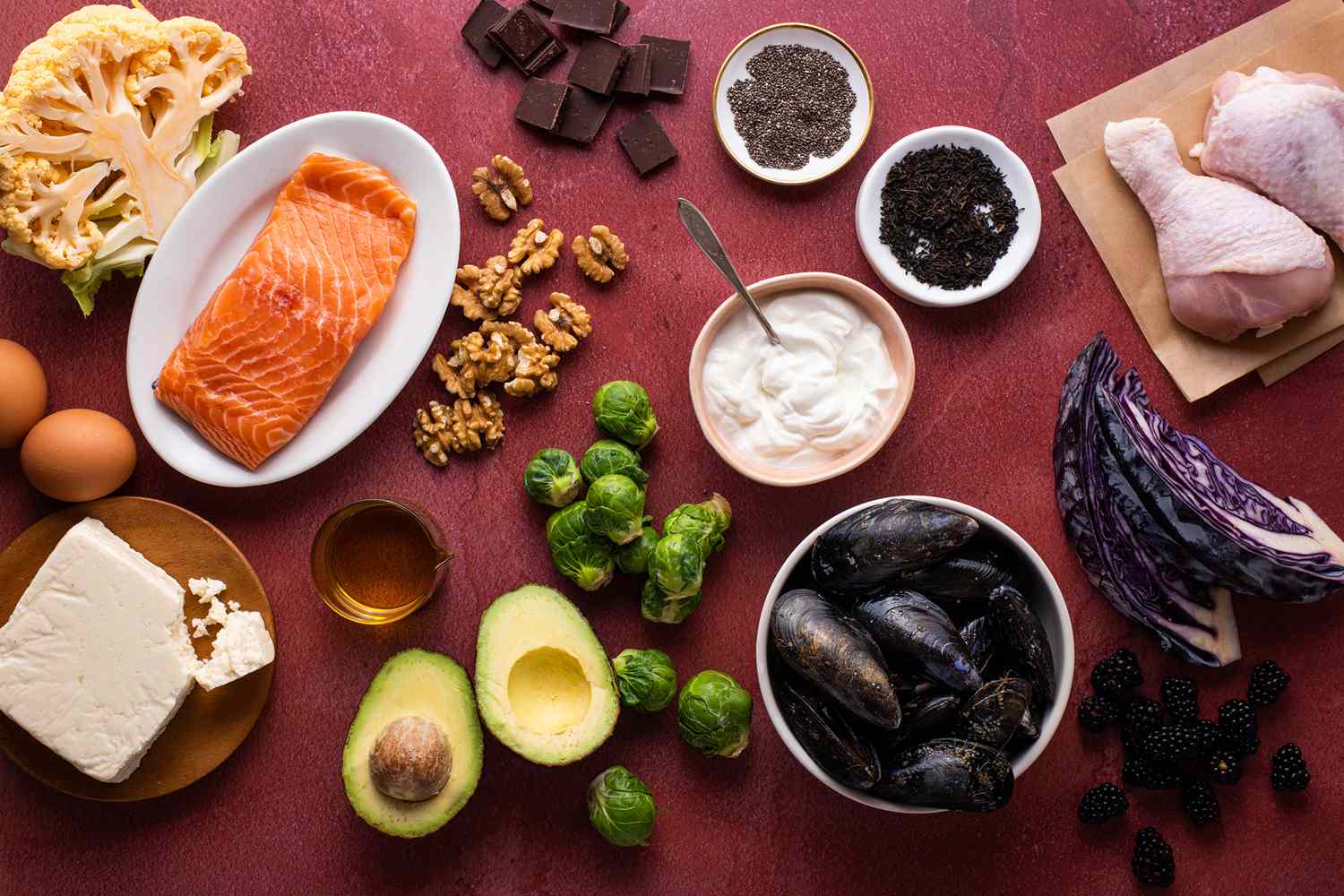
    Foods to Eat on a Keto Diet

    To enter ketosis, focus on eating keto-friendly foods:

    Healthy Fats:

    • Avocados

    • Olive oil

    • Coconut oil

    • Butter and ghee

    • Nuts and seeds

    Protein Sources:

    • Fatty fish (salmon, mackerel)

    • Beef, lamb, pork

    • Chicken and turkey

    • Eggs

    • Cheese

    Low-Carb Vegetables:

    • Spinach

    • Kale

    • Broccoli

    • Cauliflower

    • Zucchini

    Other Keto-Friendly Foods:

    • Full-fat dairy (cream, yogurt)

    • Berries (in moderation)

    • Dark chocolate (85% cocoa or higher)

    A Beginner’s Guide to Starting the Keto Diet
    A Beginner’s Guide to Starting the Keto Diet

    Foods to Avoid on Keto

    To maintain ketosis, avoid these high-carb foods:

    High-Carb Foods:

    • Bread, pasta, rice, and grains

    • Sugary foods (cakes, soda, candy)

    • Starchy vegetables (potatoes, corn, peas)

    • Most fruits (bananas, apples, grapes)

    How to Start the Keto Diet

    Starting keto may seem overwhelming, but following these steps can make the transition easier:

    1. Plan Your Meals

    Prepare a weekly keto meal plan with simple recipes to help you stay on track.

    2. Stock Your Kitchen with Keto Essentials

    Keep high-fat, low-carb foods on hand to make meal preparation easier.

    3. Track Your Macronutrients

    Use a food-tracking app to monitor your fat, protein, and carb intake. Staying within the recommended macronutrient ratios is essential for ketosis.

    4. Drink Plenty of Water

    The keto diet can cause increased water loss, so staying hydrated is crucial to avoiding dehydration.

    5. Replenish Electrolytes

    Keto can lead to a loss of sodium, potassium, and magnesium. Include foods rich in these electrolytes or consider taking supplements.

    6. Be Ready for the Keto Flu

    Some people experience symptoms like fatigue, headaches, and nausea when starting keto. This is called the keto flu and usually lasts a few days. Drinking more water and increasing electrolyte intake can help.

    7. Exercise to Support Fat Adaptation

    Light exercise, such as walking or strength training, can help your body adapt to using fat for energy.

    8. Listen to Your Body

    If you feel excessively tired or weak, adjust your fat and protein intake. Keto is flexible, and it may take time to find what works best for you.

    Keto Meal Plan for Beginners

    Here’s a simple 3-day keto meal plan to help you get started:

    Day 1:

    • Breakfast: Scrambled eggs with avocado and cheese

    • Lunch: Grilled chicken with spinach and olive oil

    • Dinner: Baked salmon with roasted cauliflower

    Day 2:

    • Breakfast: Greek yogurt with chia seeds and nuts

    • Lunch: Tuna salad wrapped in lettuce

    • Dinner: Ribeye steak with sautéed zucchini

    Day 3:

    • Breakfast: Omelet with mushrooms and cheese

    • Lunch: Shrimp with mixed greens and olive oil

    • Dinner: Ground beef with roasted broccoli

    Conclusion

    The keto diet can be a powerful tool for weight loss and improved health, but success depends on proper planning and commitment. Focus on whole, unprocessed foods, track your macros, and stay hydrated to avoid common pitfalls. With the right approach, the keto diet can become an enjoyable and sustainable way of eating.
  • The Health Benefits of Fermented Foods

    The Health Benefits of Fermented Foods

    Fermented foods have been part of traditional diets for centuries, providing both flavor and essential health benefits. These foods go through a natural process where bacteria, yeast, or other microorganisms break down sugars and starches, creating probiotics and enhancing nutrient absorption. From improving digestion to boosting immunity, fermented foods offer a variety of health advantages.

    The Health Benefits of Fermented Foods

    Improves Digestion and Gut Health

    One of the main benefits of fermented foods is their ability to support gut health. The fermentation process produces beneficial bacteria, known as probiotics, which help balance the gut microbiome. A healthy gut microbiome improves digestion, reduces bloating, and prevents issues like constipation and diarrhea. Foods like yogurt, kimchi, and sauerkraut introduce live bacteria that aid in breaking down food and absorbing nutrients more efficiently.

    Strengthens the Immune System

    A strong immune system starts with a healthy gut. Since most of the body’s immune cells are found in the gut, consuming probiotic-rich foods helps regulate immune function. Fermented foods contain good bacteria that prevent harmful pathogens from thriving, reducing the risk of infections and inflammation. Kefir, miso, and tempeh are excellent choices for strengthening immunity naturally.

    Enhances Nutrient Absorption

    Fermentation enhances the bioavailability of certain nutrients, making it easier for the body to absorb vitamins and minerals. For example, fermented dairy products like yogurt and kefir improve calcium absorption, which is essential for bone health. Similarly, fermented vegetables break down compounds that inhibit iron absorption, making iron more available to the body.

    Supports Mental Health

    There is a strong connection between gut health and mental well-being, often referred to as the gut-brain axis. Probiotics found in fermented foods can help reduce symptoms of anxiety, depression, and stress. By promoting the production of neurotransmitters like serotonin, a balanced gut microbiome contributes to better mood regulation and cognitive function.

    Aids in Weight Management

    Fermented foods can also support weight management by promoting a healthy metabolism and reducing cravings. The probiotics in fermented foods help regulate appetite-controlling hormones, reducing overeating and unhealthy snacking. Additionally, these foods improve digestion and prevent bloating, making it easier to maintain a healthy weight.

    Reduces Inflammation

    Chronic inflammation is linked to many health issues, including heart disease, arthritis, and diabetes. The probiotics and bioactive compounds in fermented foods help lower inflammation by reducing harmful bacteria and promoting gut balance. Foods like kimchi, kombucha, and miso contain antioxidants and anti-inflammatory properties that support overall health.

    Balances Blood Sugar Levels

    Fermented foods can help regulate blood sugar levels, making them beneficial for individuals with diabetes or insulin resistance. Probiotics improve insulin sensitivity, helping the body process glucose more effectively. Studies have shown that consuming yogurt or fermented soy products like tempeh may help stabilize blood sugar levels.

    Promotes Heart Health

    A healthy gut contributes to a healthy heart. Fermented foods can lower cholesterol levels and blood pressure, reducing the risk of cardiovascular disease. Probiotics help break down bile acids, preventing the absorption of bad cholesterol. Additionally, fermented dairy products have been linked to improved heart health and reduced inflammation.

    Conclusion

    Adding fermented foods to your diet is an easy and delicious way to boost overall health. From improving digestion to supporting mental well-being, these probiotic-rich foods offer numerous benefits. Whether it’s yogurt, kimchi, kefir, or miso, incorporating fermented foods into your meals can enhance nutrient absorption, strengthen immunity, and promote long-term wellness.

  • The Best Superfoods for Athletes and Active Lifestyles

    Athletes need the right fuel to enhance performance, speed up recovery, and maintain endurance. Superfoods, packed with essential nutrients, antioxidants, and anti-inflammatory properties, can help improve strength and stamina. Here are the best superfoods for active individuals.

    1. Chia Seeds – The Endurance Booster

    Chia seeds are loaded with omega-3 fatty acids, fiber, and protein. They help:

    • Provide long-lasting energy

    • Improve hydration and electrolyte balance

    • Reduce inflammation after intense workouts

    How to Use:

    • Mix in smoothies or yogurt

    • Add to oatmeal or protein shakes

    2. Quinoa – The Protein-Packed Grain

    Quinoa is a complete protein, meaning it contains all nine essential amino acids. It supports:

    • Muscle repair and growth

    • Sustained energy levels

    • Digestive health with its fiber content

    How to Use:

    • Replace rice or pasta with quinoa in meals

    • Add to salads or power bowls

    3. Salmon – The Muscle Recovery Food

    Rich in omega-3 fatty acids, salmon helps:

    • Reduce muscle soreness and inflammation

    • Support heart and brain health

    • Improve endurance and recovery

    How to Use:

    • Grill or bake for a protein-packed meal

    • Add to salads or whole-grain wraps

    4. Bananas – The Natural Energy Source

    Bananas are a top choice for pre- or post-workout fuel because they:

    • Provide quick-absorbing carbohydrates for energy

    • Contain potassium to prevent cramps

    • Support muscle recovery with magnesium

    How to Use:

    • Eat before workouts for a quick energy boost

    • Blend into smoothies or eat with peanut butter

    5. Nuts and Seeds – The Healthy Fats Powerhouse

    Almonds, walnuts, and flaxseeds contain:

    • Healthy fats for sustained energy

    • Protein for muscle recovery

    • Magnesium to reduce muscle fatigue

    How to Use:

    • Snack on a handful of mixed nuts

    • Sprinkle seeds on salads or yogurt

    6. Sweet Potatoes – The Ultimate Carbohydrate

    Sweet potatoes provide complex carbs for long-lasting energy. They also:

    • Contain vitamin A for immune support

    • Reduce oxidative stress from intense training

    • Aid muscle recovery with potassium and fiber

    How to Use:

    • Bake or roast as a side dish

    • Mash into post-workout meals

    7. Blueberries – The Antioxidant Powerhouse

    Blueberries are rich in antioxidants that:

    • Reduce muscle damage and inflammation

    • Support brain function and focus

    • Aid faster recovery after intense exercise

    How to Use:

    • Add to smoothies or yogurt

    • Eat as a snack with nuts

    8. Greek Yogurt – The Probiotic Protein Source

    Greek yogurt is packed with protein, probiotics, and calcium, helping to:

    • Build and repair muscles

    • Support gut health for better digestion

    • Improve bone strength

    How to Use:

    • Eat as a snack with honey and fruit

    • Blend into smoothies for a protein boost

    Conclusion

    Superfoods provide the essential nutrients athletes need for peak performance, endurance, and recovery. By incorporating these foods into your diet, you can enhance energy levels, reduce muscle soreness, and maintain overall health. Fuel your body right and power up your training with these nutrient-dense choices!

  • How Fermented Foods Can Improve Mental Health

    How Fermented Foods Can Improve Mental Health

    Fermented foods are packed with probiotics, which help balance gut bacteria and support overall health. But did you know they can also improve mental well-being? Research suggests a strong connection between gut health and brain function, making fermented foods a natural way to reduce stress and anxiety.

    1. The Gut-Brain Connection

    The gut is often called the “second brain” because it plays a crucial role in mental health. The microbiome—billions of bacteria in the digestive system—communicates with the brain through the gut-brain axis. A healthy gut microbiome can:

    • Regulate mood by producing neurotransmitters like serotonin

    • Reduce inflammation linked to anxiety and depression

    • Improve stress response and cognitive function

    2. How Fermented Foods Support Mental Health

    Fermented foods contain probiotics, beneficial bacteria that enhance gut health. By consuming these foods regularly, you can:

    • Lower cortisol levels (the stress hormone)

    • Improve digestion, leading to better nutrient absorption for brain function

    • Increase serotonin production, promoting a happier mood

    3. Best Fermented Foods for Mental Health

    1. Yogurt

    • Contains live cultures like Lactobacillus and Bifidobacterium

    • Helps reduce anxiety and depression symptoms

    2. Kefir

    • A probiotic-rich fermented milk drink

    • Supports digestion and enhances brain function

    3. Kimchi & Sauerkraut

    • Fermented vegetables with probiotics and fiber

    • Help regulate gut bacteria and reduce stress

    4. Kombucha

    • A fermented tea packed with probiotics and antioxidants

    • Supports detoxification and mental clarity

    5. Miso & Tempeh

    • Fermented soy-based foods high in probiotics and protein

    • Help reduce inflammation and support cognitive health

    How Fermented Foods Can Improve Mental Health
    How Fermented Foods Can Improve Mental Health

    4. Tips for Adding Fermented Foods to Your Diet

    • Start with small servings to let your gut adjust

    • Choose unpasteurized versions to get live probiotics

    • Pair fermented foods with fiber-rich meals for better digestion

    Conclusion

    Incorporating fermented foods into your diet can significantly improve mental health and reduce stress. By maintaining a healthy gut, you support brain function, emotional well-being, and overall health. Try adding yogurt, kefir, kimchi, or kombucha to your meals and experience the benefits firsthand!

  • How to Spot Fake Superfoods in the Market

    How to Spot Fake Superfoods in the Market

    With the growing trend of health-conscious eating, the market is flooded with superfoods claiming to offer numerous benefits. However, not all products labeled as “superfoods” live up to the hype. Some are overhyped, overpriced, or even misleading in terms of their actual benefits. To make sure you are getting the true health benefits, here’s how to spot fake superfoods.

    How to Spot Fake Superfoods in the Market

    Understanding Superfoods: What Are They?

    Superfoods are typically whole, nutrient-rich foods that are believed to have health benefits beyond basic nutrition. These foods are often packed with antioxidants, vitamins, minerals, and other nutrients that can help support immune function, reduce inflammation, and promote overall well-being. Examples include kale, berries, quinoa, and chia seeds.

    However, the term “superfood” is not regulated, meaning that it can be used as a marketing tool, leading to the sale of products that don’t necessarily offer the benefits they claim.

    Check the Ingredients

    One of the first ways to spot fake superfoods is to examine the ingredients list. Real superfoods should contain whole, natural ingredients. If a product contains a lot of added sugars, preservatives, artificial colorings, or fillers, it’s likely not a true superfood. Look for a short ingredients list that includes recognizable, healthy foods such as fruits, vegetables, seeds, and nuts. Be cautious of products that contain words you can’t pronounce or chemical-sounding ingredients, as these may indicate processed items.

    Beware of Over-the-Top Health Claims

    Another red flag when purchasing superfoods is when a product claims to cure everything from weight loss to chronic diseases. While superfoods are indeed nutritious and may support overall health, no single food is a miracle cure. Claims that a superfood will drastically improve your health or treat ailments should be taken with a grain of salt. Always look for claims that are backed by scientific evidence. If the claims sound too good to be true, they probably are.

    Do Your Research on Sourcing and Quality

    The sourcing of a superfood is a crucial aspect of its quality. Authentic superfoods are typically sourced from reputable farms or companies that prioritize sustainability and ethical farming practices. Products that are grown with little regard for environmental impact or are sourced from dubious suppliers may not live up to the expected health benefits. Look for certifications such as organic, fair trade, or non-GMO to ensure that the product meets high-quality standards.

    Additionally, some superfoods are sold in powdered or concentrated forms. While these can be convenient, be sure to research whether these forms are as effective as the whole food. For instance, some nutrient loss can occur during processing, which may reduce the benefits of the superfood.

    Price Doesn’t Always Equal Quality

    Superfoods are often expensive, but high prices don’t necessarily mean high quality. Many companies charge premium prices for products simply because they are marketed as superfoods, even if they contain minimal actual nutrition. Compare prices of similar products and check reviews before making a purchase. If the price seems too steep for the benefits listed, it’s a good idea to look for more affordable alternatives.

    Read Reviews and Testimonials

    A great way to gauge the effectiveness and authenticity of a superfood is by reading customer reviews and testimonials. While reviews can sometimes be biased or fake, checking a variety of sources can give you a clearer picture of the product’s quality. Look for reviews that mention the specific benefits you’re hoping to experience. If most reviews are generic or do not mention specific health improvements, the product may not be delivering what it claims.

    Look for Transparent Brands

    Brands that provide clear and transparent information about their sourcing, ingredient quality, and processing methods are more likely to offer genuine superfoods. Authentic companies often provide detailed information about how they source and produce their products. If a brand is vague or secretive about where their ingredients come from or how they’re processed, it’s a red flag.

    Conclusion

    While the superfood market can be overwhelming, you can avoid falling for fake products by taking a mindful approach. Always check the ingredients list, be skeptical of exaggerated claims, and ensure that the superfood is sourced ethically. Do your research and opt for brands that are transparent about their practices. By following these tips, you can ensure that you’re investing in genuine superfoods that will provide real nutritional benefits.

  • How to Stop Mindless Snacking and Develop Better Eating Habits

    How to Stop Mindless Snacking and Develop Better Eating Habits

    Do you ever find yourself reaching for a snack even when you’re not hungry? Mindless snacking is a common habit that can lead to overeating, weight gain, and a lack of control over food choices. Whether it’s boredom, stress, or habit-driven eating, breaking the cycle requires awareness and intentional actions. This guide will help you stop mindless snacking and develop healthier eating habits for long-term success.

    Why Do We Snack Mindlessly?

    Mindless snacking happens for various reasons, often unrelated to actual hunger. Some common triggers include:

    • Boredom: Eating simply because there’s nothing else to do.

    • Stress or Emotions: Using food for comfort or distraction.

    • Environmental Cues: Seeing food in front of you and eating out of habit.

    • Distractions: Eating while watching TV or working without paying attention.

    • Irregular Meal Patterns: Skipping meals and then overcompensating with snacks.

    By identifying your triggers, you can start making more mindful choices about when and why you eat.

    Tips to Stop Mindless Snacking

    1. Eat Balanced Meals

    One of the biggest reasons for unnecessary snacking is not eating enough during meals. Make sure your meals include:

    • Protein (chicken, tofu, eggs) to keep you full.

    • Fiber (vegetables, whole grains) for digestion.

    • Healthy fats (avocado, nuts) for sustained energy.

    When you eat balanced meals, you’re less likely to feel hungry between them.

    2. Stay Hydrated

    Sometimes, thirst is mistaken for hunger. Before reaching for a snack, try drinking a glass of water. Herbal teas or infused water can also help satisfy cravings.

    3. Practice Mindful Eating

    Mindful eating means being fully present while eating. To develop this habit:

    • Eat without distractions. Turn off the TV and put your phone away.

    • Chew slowly. This helps you recognize when you’re full.

    • Enjoy each bite. Focus on the flavors and textures.

    How to Stop Mindless Snacking and Develop Better Eating Habits
    How to Stop Mindless Snacking and Develop Better Eating Habits

    4. Keep Unhealthy Snacks Out of Sight

    If snacks are easily accessible, you’re more likely to grab them. Store chips, cookies, and processed snacks in hard-to-reach places. Instead, keep healthy options like fruits, nuts, or yogurt within easy reach.

    5. Set a Snack Schedule

    Rather than snacking randomly, schedule snack times. If you allow yourself a snack mid-morning and mid-afternoon, you’ll be less likely to eat out of boredom or stress.

    6. Find Alternatives to Snacking

    If you snack when you’re bored, try a new habit instead. Some alternatives include:

    • Going for a short walk.

    • Drinking tea or water.

    • Engaging in a hobby (reading, knitting, journaling).

    Breaking the association between boredom and food can help reduce mindless snacking.

    7. Identify Emotional Triggers

    If you eat when stressed, sad, or anxious, try healthier coping mechanisms such as:

    • Meditation or deep breathing.

    • Talking to a friend.

    • Exercising or stretching.

    Understanding your emotional connection to food is a key step in breaking unhealthy snacking habits.

    8. Use Smaller Portions

    If you feel the urge to snack, portion out a small amount instead of eating directly from the package. This prevents overeating and helps you control portions better.

    9. Keep a Food Journal

    Writing down what you eat can make you more aware of your snacking habits. Track when and why you snack to identify patterns and find ways to adjust your behavior.

    10. Get Enough Sleep

    Lack of sleep can increase cravings for high-sugar and high-carb foods. Aim for 7–9 hours of quality sleep each night to support better eating habits.

    Conclusion

    Mindless snacking can be a hard habit to break, but with the right strategies, you can take control of your eating habits. By eating balanced meals, staying hydrated, practicing mindful eating, and identifying emotional triggers, you can reduce unnecessary snacking and make healthier food choices. Small, intentional changes will help you build long-term habits for a healthier lifestyle

  • The Best Healthy Late-Night Snacks That Won’t Disrupt Sleep

    Late-night snacking can be tricky—eat the wrong thing, and you risk disrupting your sleep. But choosing the right foods can satisfy your cravings while also supporting restful sleep. The key is to opt for light, nutrient-rich snacks that promote relaxation without spiking your blood sugar.

    Why Late-Night Snacking Can Affect Sleep

    Eating heavy or high-sugar foods before bed can lead to digestive discomfort and blood sugar fluctuations, both of which can interfere with your sleep cycle. Additionally, caffeine, alcohol, and spicy foods may keep you awake longer than you’d like. The best nighttime snacks are those that contain protein, healthy fats, and sleep-supporting nutrients like magnesium and tryptophan.

    Top Healthy Late-Night Snacks for Better Sleep

    1. Greek Yogurt with Honey

    Greek yogurt is rich in protein and calcium, which supports melatonin production. A drizzle of honey adds a touch of natural sweetness without spiking blood sugar.

    Why It’s Good for Sleep:

    • High in casein protein, which helps muscle recovery overnight.

    • Contains probiotics for better digestion.

    2. Banana with Almond Butter

    Bananas are packed with magnesium and potassium, both of which help relax muscles and promote sleep. Paired with almond butter, this snack offers healthy fats and protein.

    Why It’s Good for Sleep:

    • Magnesium supports relaxation.

    • Tryptophan in bananas aids melatonin production.

    3. Oatmeal with Chia Seeds

    A small bowl of oatmeal is a comforting and filling bedtime snack. Oats naturally contain melatonin, and chia seeds add fiber and omega-3 fatty acids.

    Why It’s Good for Sleep:

    • Slowly releases energy, preventing blood sugar crashes.

    • Provides a good source of complex carbohydrates, which can promote sleep.

    4. Cottage Cheese with Berries

    Cottage cheese is a slow-digesting protein source that keeps you full through the night. Berries add antioxidants and a hint of natural sweetness.

    The Best Healthy Late-Night Snacks That Won’t Disrupt Sleep
    The Best Healthy Late-Night Snacks That Won’t Disrupt Sleep

    Why It’s Good for Sleep:

    • High in casein protein for overnight muscle repair.

    • Contains tryptophan, which helps produce serotonin.

    5. Whole-Grain Crackers with Hummus

    Hummus is made from chickpeas, which are rich in vitamin B6, a key nutrient for melatonin production. Whole-grain crackers provide complex carbohydrates that support serotonin release.

    Why It’s Good for Sleep:

    • Provides a balance of fiber, protein, and healthy fats.

    • Chickpeas help regulate sleep hormones.

    6. Warm Almond Milk with Cinnamon

    Almond milk is a plant-based alternative that contains magnesium and tryptophan, both known for their calming effects. A sprinkle of cinnamon enhances flavor and stabilizes blood sugar levels.

    Why It’s Good for Sleep:

    • Warm milk can be soothing and relaxing.

    • Cinnamon helps regulate metabolism overnight.

    7. Hard-Boiled Egg with Avocado

    Eggs are a great source of protein and contain choline, which supports brain function. Avocado adds heart-healthy fats that keep you satisfied.

    Why It’s Good for Sleep:

    • Protein supports overnight recovery.

    • Healthy fats aid in sustained energy release.

    8. Cherry Juice with Walnuts

    Tart cherry juice is one of the best natural sources of melatonin, and walnuts add plant-based omega-3s and healthy fats.

    Why It’s Good for Sleep:

    • Naturally boosts melatonin levels.

    • Anti-inflammatory properties aid recovery.

    Tips for Healthy Late-Night Snacking

    • Keep portions small – Avoid heavy meals that could cause discomfort.

    • Choose whole foods – Avoid processed snacks high in sugar and unhealthy fats.

    • Stay hydrated – Sometimes, thirst is mistaken for hunger.

    • Limit caffeine and alcohol – Both can disrupt sleep quality.

    Conclusion

    Choosing the right late-night snack can curb cravings while promoting restful sleep. Opt for light, nutritious foods that support relaxation and avoid anything high in sugar, caffeine, or unhealthy fats. By incorporating sleep-friendly snacks into your routine, you’ll wake up feeling more refreshed and energized.

  • Affordable Superfoods You Can Find Anywhere

    Affordable Superfoods You Can Find Anywhere

    Eating healthy doesn’t have to be expensive. Many nutrient-rich superfoods are affordable and easy to find at local grocery stores. These foods provide essential vitamins, minerals, and antioxidants that support overall health without breaking the bank.

    Affordable Superfoods You Can Find Anywhere

    Why Choose Affordable Superfoods?

    Superfoods are packed with nutrients that boost immunity, improve digestion, and provide energy. While some exotic superfoods can be costly, many inexpensive options offer similar benefits. Choosing budget-friendly superfoods helps you maintain a healthy diet while saving money.

    Top Affordable Superfoods

    1. Oats

    Oats are a cheap and nutritious whole grain rich in fiber and protein. They help lower cholesterol, regulate blood sugar, and keep you full longer. You can enjoy them as oatmeal, in smoothies, or as a base for homemade granola.

    2. Beans and Lentils

    Beans and lentils are affordable protein sources packed with fiber, iron, and antioxidants. They support digestion, heart health, and weight management. Use them in soups, stews, salads, or as a meat alternative in various dishes.

    3. Eggs

    Eggs are an excellent source of high-quality protein and essential nutrients like choline and vitamin B12.

    4. Sweet Potatoes

    Sweet potatoes are packed with vitamin A, fiber, and antioxidants that support eye health and boost immunity. They are affordable and can be baked, mashed, or added to soups and stews.

    5. Bananas

    Bananas are one of the cheapest and most convenient superfoods. They provide potassium, fiber, and natural sugars for quick energy. They make great snacks, smoothie additions, or healthy desserts.

    6. Cabbage

    Cabbage is an affordable vegetable packed with fiber, vitamin C, and antioxidants. It aids digestion, reduces inflammation, and works well in salads, stir-fries, or soups.

    7. Carrots

    Carrots are rich in beta-carotene, fiber, and antioxidants that promote eye health and boost immunity.

    8. Peanut Butter

    Peanut butter is a protein-rich superfood that provides healthy fats, fiber, and essential vitamins. Choose natural, unsweetened peanut butter for maximum health benefits. It’s great for snacks, smoothies, or as a spread.

    9. Canned Tuna

    Canned tuna is an affordable source of omega-3 fatty acids and protein. It supports heart health and brain function. Opt for water-packed tuna for a healthier option.

    10. Brown Rice

    Brown rice is a whole grain that provides fiber and essential nutrients. It helps maintain steady energy levels and supports digestion. It’s an affordable staple that pairs well with a variety of meals.

    How to Incorporate These Superfoods into Your Diet

    Eating superfoods doesn’t have to be complicated. Start your day with oatmeal and bananas. For lunch, make a bean and cabbage salad. Enjoy a snack with peanut butter and carrots. Prepare brown rice with tuna or lentils for dinner. Small changes can make a big impact on your health.

    Final Thoughts

    Healthy eating is possible on a budget. These affordable superfoods provide essential nutrients without high costs. By including them in your meals, you can improve your health while keeping your grocery bill low.

  • The Best Healthy Desserts That Fit into Any Diet Plan

    Desserts don’t have to ruin your diet. Whether you’re following keto, vegan, paleo, or a low-calorie plan, there are plenty of tasty and healthy options to satisfy your sweet tooth without the guilt.

    1. Why Choose Healthy Desserts?

    Traditional desserts are often loaded with sugar, refined carbs, and unhealthy fats. Healthy desserts, on the other hand:

    • Provide essential nutrients

    • Support weight management

    • Reduce sugar crashes and cravings

    • Fit seamlessly into various diet plans

    2. Best Healthy Desserts for Every Diet

    Low-Carb & Keto Desserts

    These desserts focus on healthy fats and low-carb sweeteners like stevia or monk fruit.

    • Avocado Chocolate Mousse – Made with cocoa powder, almond milk, and a keto-friendly sweetener

    • Keto Cheesecake Bites – A creamy, low-carb treat with almond flour crust

    • Coconut Flour Brownies – Rich in fiber and healthy fats

    Vegan & Plant-Based Desserts

    These options skip dairy and animal products while keeping flavors rich.

    • Chia Seed Pudding – Chia seeds soaked in almond milk with a hint of vanilla

    • Banana Nice Cream – Frozen bananas blended into a creamy, ice-cream-like texture

    • Date and Nut Energy Balls – A mix of nuts, seeds, and dates for natural sweetness

    Paleo-Friendly Desserts

    Paleo desserts focus on natural, unprocessed ingredients.

    • Almond Butter Cookies – Made with almond flour and sweetened with honey

    • Coconut Macaroons – A chewy and naturally sweet coconut-based treat

    • Baked Apples with Cinnamon – A simple dessert without refined sugar

    Low-Calorie & Weight Loss-Friendly Desserts

    These options satisfy cravings while keeping calories in check.

    • Greek Yogurt with Berries – High in protein and antioxidants

    • Dark Chocolate-Dipped Strawberries – A simple, portion-controlled treat

    • Oatmeal Raisin Cookies – Naturally sweetened with applesauce instead of sugar

    3. Tips for Making Healthier Desserts

    • Use Natural Sweeteners – Replace refined sugar with honey, maple syrup, or monk fruit

    • Choose Whole Ingredients – Use nuts, seeds, and whole grains for added nutrition

    • Watch Portion Sizes – Enjoy treats in moderation to stay on track

    Conclusion

    Eating healthy doesn’t mean giving up desserts. With the right ingredients and substitutions, you can enjoy delicious treats that align with your diet goals. Try these easy, guilt-free desserts and satisfy your sweet cravings the healthy way!

  • The Top Superfoods to Add to Your Snacks for Extra Nutrition

    The Top Superfoods to Add to Your Snacks for Extra Nutrition

    Snacking can be a great way to keep your energy levels up and maintain a balanced diet, but not all snacks are created equal. By incorporating superfoods into your snacks, you can maximize the nutritional value of every bite. Superfoods are nutrient-dense ingredients packed with vitamins, minerals, and antioxidants that support overall health. Whether you need an energy boost, improved digestion, or enhanced brain function, adding superfoods to your snacks can make a difference.

    What Are Superfoods?

    Superfoods are natural, whole foods that are exceptionally rich in nutrients. They contain high levels of antioxidants, healthy fats, fiber, and essential vitamins that help protect the body from diseases and promote overall well-being. Adding them to your snacks can elevate both taste and nutrition.

    The Best Superfoods to Include in Your Snacks

    1. Chia Seeds

    Chia seeds are small but mighty, packed with fiber, omega-3 fatty acids, and protein. They help keep you full longer and support heart health.

    How to Add to Snacks:

    • Stir into yogurt or oatmeal.

    • Mix into smoothies.

    • Make chia seed pudding with almond milk and fruit.

    2. Almonds

    Almonds are rich in healthy fats, protein, and vitamin E, making them a great choice for heart health and brain function.

    How to Add to Snacks:

    • Eat raw or roasted almonds as a quick snack.

    • Blend into homemade almond butter.

    • Sprinkle over a salad or yogurt.

    3. Blueberries

    These small berries are loaded with antioxidants, vitamin C, and fiber, which help fight inflammation and support cognitive function.

    How to Add to Snacks:

    • Mix into Greek yogurt or oatmeal.

    • Blend into smoothies.

    • Eat fresh or dried as a snack.

    4. Dark Chocolate (70% or Higher Cocoa)

    Dark chocolate is high in antioxidants and can improve mood and heart health when consumed in moderation.

    How to Add to Snacks:

    • Eat a small piece with nuts.

    • Add to homemade granola bars.

    • Melt and drizzle over fruit.

    The Top Superfoods to Add to Your Snacks for Extra Nutrition
    The Top Superfoods to Add to Your Snacks for Extra Nutrition

    5. Avocado

    Avocados are packed with heart-healthy monounsaturated fats, fiber, and potassium, making them great for sustained energy.

    How to Add to Snacks:

    • Spread on whole-grain toast.

    • Blend into a smoothie for a creamy texture.

    • Make homemade guacamole.

    6. Pumpkin Seeds

    Pumpkin seeds are rich in magnesium, protein, and healthy fats, promoting muscle recovery and bone health.

    How to Add to Snacks:

    • Eat roasted as a crunchy snack.

    • Mix into trail mix.

    • Sprinkle over soups or salads.

    7. Greek Yogurt

    Greek yogurt is high in protein and probiotics, which support digestion and gut health.

    How to Add to Snacks:

    • Enjoy with honey and fruit.

    • Blend into a smoothie.

    • Use as a base for healthy dips.

    8. Quinoa

    Quinoa is a complete protein containing all nine essential amino acids, making it great for muscle repair and energy.

    How to Add to Snacks:

    • Make quinoa salad with veggies.

    • Add to energy bars or granola.

    • Mix into yogurt for extra texture.

    9. Spirulina

    This blue-green algae is loaded with protein, iron, and antioxidants that help boost immunity and energy levels.

    How to Add to Snacks:

    • Blend into smoothies.

    • Mix into energy balls.

    • Add to homemade protein bars.

    10. Goji Berries

    Goji berries are high in vitamin C and antioxidants, known for supporting skin health and immunity.

    How to Add to Snacks:

    • Eat dried as a snack.

    • Mix into granola or trail mix.

    • Blend into a smoothie.

    Easy Superfood Snack Ideas

    If you want to boost your nutrition, try these simple snack ideas incorporating superfoods:

    • Superfood Smoothie – Blend banana, Greek yogurt, spinach, chia seeds, and blueberries.

    • Nut Butter Toast – Spread almond butter on whole-grain toast and top with goji berries.

    • Trail Mix – Combine almonds, pumpkin seeds, dark chocolate chunks, and dried fruit.

    • Overnight Oats – Mix oats with almond milk, chia seeds, and blueberries for a nutritious breakfast.

    • Energy Balls – Blend dates, almonds, cocoa powder, and spirulina into bite-sized snacks.

    Conclusion

    Adding superfoods to your snacks is an easy and delicious way to enhance your overall health. Whether you’re looking for more energy, better digestion, or improved focus, incorporating nutrient-dense foods into your diet can make a significant impact. Try experimenting with different superfoods and snack combinations to find what works best for you.