Author: admin

  • Budget-Friendly Plant-Based Eating Tips

    Budget-Friendly Plant-Based Eating Tips

    Switching to a plant-based diet doesn’t have to be expensive. Many people assume that eating plant-based meals requires costly specialty products, but in reality, whole plant foods like beans, lentils, grains, and vegetables are some of the most affordable ingredients available. With smart planning, you can enjoy nutritious and delicious plant-based meals without overspending. Here are some budget-friendly tips to help you maintain a plant-based lifestyle while saving money.

    Budget-Friendly Plant-Based Eating Tips

    Buy Whole Foods Instead of Processed Alternatives

    Many plant-based processed foods, like vegan meats and dairy substitutes, can be expensive. Instead, focus on whole foods such as beans, lentils, tofu, and grains, which are not only cheaper but also more nutritious. Cooking meals from scratch using whole ingredients will help you save money while eating a well-balanced diet.

    Purchase in Bulk

    Buying in bulk is one of the best ways to reduce grocery costs. Staples like rice, oats, lentils, beans, and nuts are often available in bulk at lower prices per unit. Visit bulk food stores or check larger packages at your local supermarket to save money on essential plant-based ingredients.

    Choose Seasonal and Local Produce

    Fruits and vegetables are key parts of a plant-based diet, but they can be expensive if purchased out of season. To save money, buy seasonal produce, which is often fresher and more affordable. Visiting farmers’ markets or purchasing locally grown produce can also help you find budget-friendly options.

    Plan Your Meals and Make a Shopping List

    Meal planning helps prevent unnecessary purchases and food waste. Before shopping, create a meal plan for the week, list the ingredients you need, and stick to your list at the store. This method helps you stay within budget and ensures that you buy only what you need.

    Cook at Home Instead of Eating Out

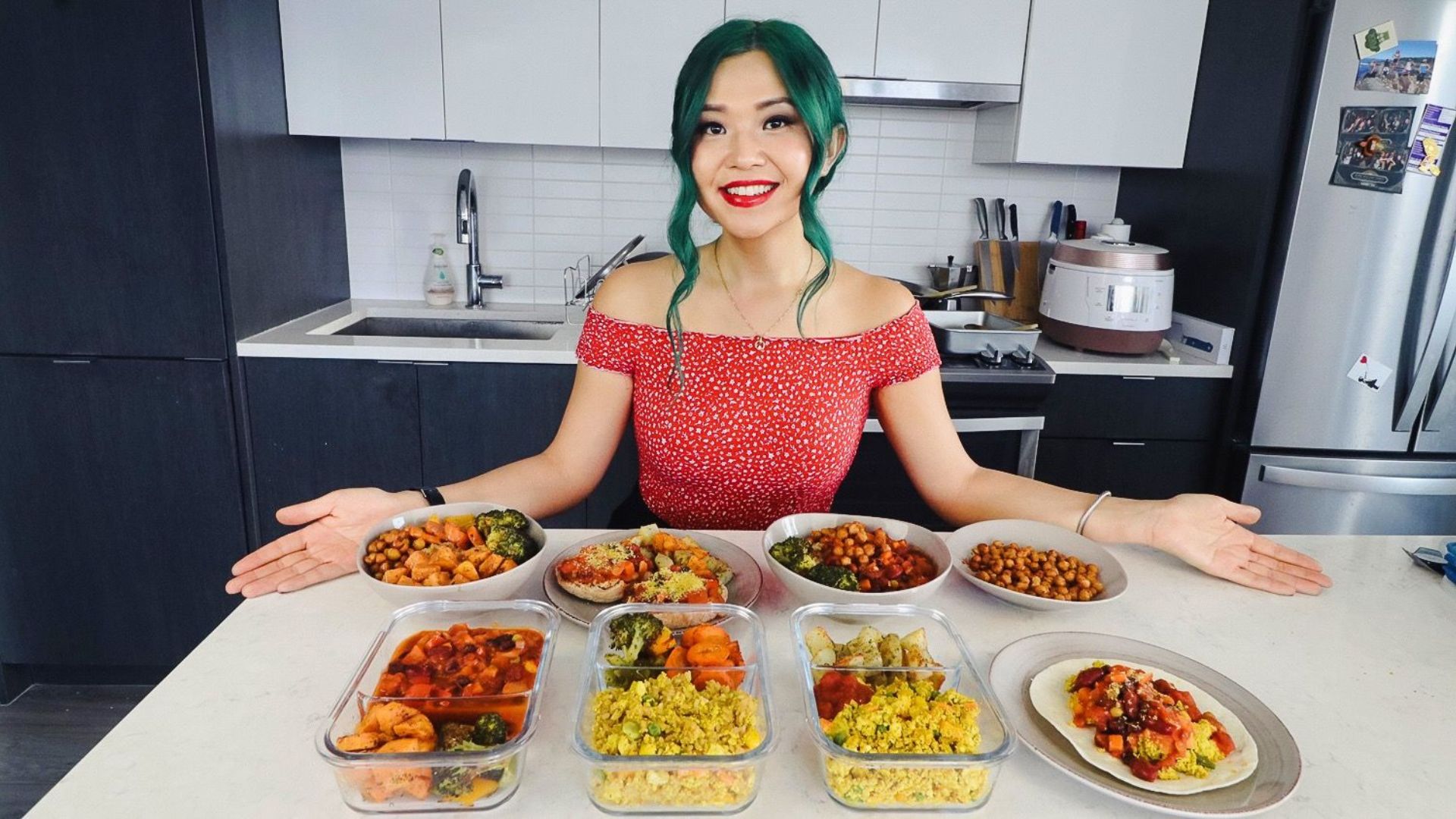
    Eating out can quickly add up, especially when ordering plant-based meals from restaurants that may charge a premium for vegan options. Preparing meals at home allows you to control costs and ingredients while making healthier choices. Try batch cooking to save time and effort during the week.

    Use Affordable Protein Sources

    Protein-rich plant-based foods like lentils, chickpeas, black beans, and tofu are much cheaper than meat and plant-based meat alternatives. Incorporate these affordable sources of protein into your meals to stay full and energized without breaking your budget.

    Grow Your Herbs and Vegetables

    Starting a small home garden can save money in the long run. Herbs like basil, cilantro, and parsley are easy to grow indoors, and vegetables like tomatoes, spinach, and peppers can thrive in small garden spaces. Growing your produce reduces grocery expenses and provides fresh, organic ingredients for your meals.

    Take Advantage of Frozen Fruits and Vegetables

    Frozen fruits and vegetables are just as nutritious as fresh ones and often come at a lower price. They also have a longer shelf life, reducing food waste. Stock up on frozen berries, spinach, broccoli, and mixed vegetables to use in smoothies, soups, and stir-fries.

    Reduce Food Waste by Using Leftovers Creatively

    Instead of throwing away leftover food, find creative ways to repurpose it into new meals. Leftover roasted vegetables can be added to salads or wraps, and cooked grains like rice or quinoa can be transformed into stir-fries or grain bowls. Using leftovers helps stretch your grocery budget further.

    Make Your Plant-Based Staples

    Homemade plant-based staples like almond milk, hummus, and granola are often cheaper and healthier than store-bought versions. Making your own plant-based essentials allows you to customize ingredients and avoid added preservatives while saving money.

    Conclusion

    Eating plant-based on a budget is possible with the right approach. By focusing on whole foods, buying in bulk, choosing seasonal produce, and cooking at home, you can enjoy a nutritious and affordable plant-based diet. These simple strategies will help you save money while making healthy and delicious meals.

  • Sweet vs. Savory: The Best Healthy Snack Choices for Any Craving

    Sweet vs. Savory: The Best Healthy Snack Choices for Any Craving

    When cravings strike, it’s easy to reach for unhealthy options like candy, chips, or pastries. However, choosing healthier snacks can satisfy your cravings without compromising your nutrition. Whether you’re in the mood for something sweet or savory, there are plenty of delicious and nutritious options to keep you energized and feeling great.

    Understanding Cravings: Why Do We Want Sweet or Savory?

    Cravings for sweet or savory foods often stem from biological and psychological factors.

    🔹 Sweet Cravings: Usually linked to low blood sugar levels, stress, or a natural preference for sugary flavors. The body seeks quick energy from carbohydrates.

    🔹 Savory Cravings: Often indicate a need for protein, healthy fats, or sodium. The body might be looking for more substantial, filling foods.

    By choosing the right snacks, you can satisfy your cravings while still nourishing your body.

    Best Healthy Sweet Snacks

    When you’re in the mood for something sweet, avoid processed sugar-laden treats and opt for natural alternatives that provide vitamins, minerals, and fiber.

    1. Fresh Fruits with Nut Butter

    ✔ Apples, bananas, or pears with almond or peanut butter
    ✔ Provides natural sweetness with healthy fats and protein

    2. Greek Yogurt with Honey and Berries

    ✔ High in protein and probiotics for gut health
    ✔ Natural sweetness from berries and a drizzle of honey

    3. Dark Chocolate and Nuts

    ✔ Choose 70% or higher dark chocolate for antioxidants
    ✔ Nuts add healthy fats and protein to balance blood sugar

    Sweet vs. Savory: The Best Healthy Snack Choices for Any Craving
    Sweet vs. Savory: The Best Healthy Snack Choices for Any Craving

    4. Chia Pudding

    ✔ Mix chia seeds with almond milk and let it sit overnight
    ✔ Sweeten naturally with honey, maple syrup, or mashed banana

    5. Medjool Dates with Almonds

    ✔ Natural caramel-like sweetness from dates
    ✔ Almonds add crunch and healthy fats

    6. Smoothie with Protein Powder

    ✔ Blend frozen fruits, protein powder, and almond milk
    ✔ Satisfies sweet cravings while keeping you full longer

    7. Homemade Energy Balls

    ✔ Made with oats, nuts, dried fruit, and honey
    ✔ Great for an on-the-go sweet snack

    Best Healthy Savory Snacks

    If you’re craving something salty or rich in umami flavors, opt for nutrient-dense, savory snacks instead of fried or processed foods.

    1. Hummus with Veggies

    ✔ Chickpeas provide protein and fiber
    ✔ Pair with carrot sticks, cucumbers, or bell peppers

    2. Hard-Boiled Eggs with Sea Salt

    ✔ High in protein and healthy fats
    ✔ Sprinkling sea salt enhances the flavor

    3. Roasted Chickpeas

    ✔ Crunchy, high-protein alternative to chips
    ✔ Season with spices like paprika or cumin

    4. Cheese and Whole-Grain Crackers

    ✔ Provides protein and calcium
    ✔ Choose whole-grain crackers for added fiber

    5. Avocado Toast on Whole-Grain Bread

    ✔ Healthy fats from avocado keep you full
    ✔ Sprinkle with chili flakes or everything bagel seasoning

    6. Popcorn with Olive Oil and Nutritional Yeast

    ✔ Air-popped popcorn is a fiber-rich, low-calorie snack
    ✔ Nutritional yeast adds a cheesy, savory flavor

    7. Turkey or Chicken Roll-Ups

    ✔ Lean protein snack for muscle recovery
    ✔ Roll up with a slice of cheese or lettuce for extra crunch

    Balancing Sweet and Savory for the Perfect Snack

    If you love both flavors, try snacks that combine sweet and savory elements:

    🥜 Trail Mix – A mix of nuts, dried fruit, and dark chocolate
    🥑 Avocado and Mango Salsa with Whole-Grain Chips – A balance of creamy, sweet, and savory
    🍠 Baked Sweet Potato Fries with Sea Salt – Natural sweetness with a savory crunch
    🧀 Cottage Cheese with Pineapple or Tomatoes – A perfect blend of creamy, sweet, and tangy

    Conclusion

    Cravings are natural, but you don’t have to give in to unhealthy choices. Whether you’re in the mood for something sweet or savory, there are plenty of nutritious snacks that can satisfy your cravings without guilt. By making smart choices, you can enjoy delicious snacks while supporting your overall health. Next time a craving hits, try one of these healthy options and feel the difference!

  • How to Read Nutrition Labels to Pick the Healthiest Snacks

    How to Read Nutrition Labels to Pick the Healthiest Snacks

    When choosing snacks, many people rely on marketing claims like “low-fat,” “organic,” or “all-natural.” However, these labels can be misleading. The best way to ensure you’re making healthy snack choices is to read and understand nutrition labels. Learning how to interpret food packaging can help you avoid unhealthy additives, hidden sugars, and unnecessary calories.

    Why Reading Nutrition Labels Matters

    Nutrition labels provide essential information about the nutrients in a food product. Understanding these details can help you:

    ✔ Make healthier choices by comparing different snack options
    ✔ Control portion sizes and avoid overeating
    ✔ Limit unhealthy ingredients like added sugars, sodium, and trans fats
    ✔ Ensure balanced nutrition by checking protein, fiber, and essential vitamins

    Key Sections of a Nutrition Label

    1. Serving Size & Servings Per Container

    The serving size is the first thing to check on a nutrition label. It tells you how much of the food the nutritional values apply to.

    🔹 Why It’s Important: Many snacks contain multiple servings per package. If you eat the entire package, you may be consuming more calories and sugar than expected.

    🔹 Example: A bag of chips may list 150 calories per serving, but if the bag contains 3 servings, eating the whole bag means consuming 450 calories.

    2. Calories Per Serving

    Calories measure how much energy a food provides.

    🔹 Why It’s Important: Snacks should provide energy without excessive calories. Eating too many calories from unhealthy snacks can contribute to weight gain.

    🔹 General Guidelines:

    • 100-150 calories: A light snack

    • 200-300 calories: A more substantial snack

    • Over 400 calories: May be too heavy for a snack

    How to Read Nutrition Labels to Pick the Healthiest Snacks
    How to Read Nutrition Labels to Pick the Healthiest Snacks

    3. Macronutrients: Fats, Carbohydrates, and Proteins

    Fats

    Healthy fats are essential, but some types should be limited.

    ✔ Good fats: Unsaturated fats (found in nuts, seeds, and avocados)
    ❌ Bad fats: Trans fats and excess saturated fats (found in fried foods and processed snacks)

    🔹 Tip: Look for snacks with unsaturated fats and avoid those with trans fats.

    Carbohydrates

    Carbs provide energy, but not all are created equal.

    ✔ Good carbs: Whole grains, fruits, and vegetables
    ❌ Bad carbs: Refined sugars and processed grains

    🔹 Tip: Aim for snacks with high fiber and low added sugar.

    Protein

    Protein helps with muscle growth and keeps you full longer.

    ✔ Good sources: Nuts, yogurt, seeds, lean meats, and legumes

    🔹 Tip: Choose snacks with at least 5 grams of protein for lasting energy.

    4. Fiber Content

    Fiber is essential for digestion and helps you feel full.

    ✔ Look for: Snacks with at least 3-5 grams of fiber per serving
    ❌ Avoid: Processed snacks with little or no fiber

    🔹 Example: Whole-grain crackers, fruits, and nuts are high in fiber, while chips and white bread have very little.

    5. Added Sugars

    Sugar can be naturally occurring (like in fruit) or added (like in cookies and candy). The American Heart Association recommends:

    ✔ Limit added sugars to:

    • 25g per day for women

    • 36g per day for men

    • Less than 12g per snack

    🔹 Tip: Look for snacks with less than 5g of added sugar.

    🔹 Hidden Sugars: Watch out for ingredients like:

    • High-fructose corn syrup

    • Cane juice

    • Dextrose

    • Maltose

    6. Sodium (Salt) Content

    Too much sodium can lead to high blood pressure. Many packaged snacks contain excessive amounts.

    ✔ Healthy range:

    • Less than 140mg per serving is considered low-sodium

    • Over 400mg per serving is high in sodium

    🔹 Tip: Choose snacks with minimal sodium and avoid overly processed foods like chips and flavored nuts.

    7. Ingredients List

    The ingredients list shows everything in the product, in order of quantity.

    ✔ Look for: Whole food ingredients like oats, nuts, or dried fruit
    ❌ Avoid: Artificial additives, preservatives, and ingredients you can’t pronounce

    🔹 Tip: If the ingredient list is long and full of unfamiliar names, it’s likely a highly processed snack.

    How to Compare Snacks for Healthier Choices

    Here’s an example of how to compare two snack bars:

    Nutrient Bar A Bar B
    Calories 180 250
    Protein 10g 4g
    Fiber 6g 2g
    Added Sugar 3g 15g
    Sodium 100mg 300mg

    ✔ Healthier choice: Bar A – It has more protein and fiber, lower sugar, and less sodium.

    Tips for Choosing the Healthiest Snacks

    ✅ Pick whole foods – Fresh fruits, nuts, and seeds are healthier than processed snacks.
    ✅ Check serving sizes – Be mindful of portion sizes to avoid excess calories.
    ✅ Prioritize protein and fiber – These nutrients keep you full longer.
    ✅ Limit added sugars and sodium – Opt for natural sweetness from fruits.
    ✅ Avoid artificial ingredients – Choose snacks with minimal and recognizable ingredients.

    Conclusion

    Reading nutrition labels is an essential skill for choosing healthier snacks. By paying attention to serving sizes, calorie counts, macronutrients, fiber, sugar, sodium, and ingredient lists, you can make informed decisions about what you eat. With this knowledge, you can confidently select snacks that support your health without falling for misleading marketing claims. Start checking labels today and enjoy smarter snacking!

  • 5-Minute Healthy Snack Recipes

    5-Minute Healthy Snack Recipes

    Eating nutritious snacks doesn’t have to be complicated or time-consuming. When hunger strikes between meals, it’s easy to reach for processed foods that lack essential nutrients. However, with just a few simple ingredients and five minutes, you can create delicious, healthy snacks that fuel your body and keep you satisfied. These quick recipes are packed with protein, fiber, and healthy fats to give you long-lasting energy throughout the day.

    5-Minute Healthy Snack Recipes

    Greek Yogurt and Honey Parfait

    Greek yogurt parfaits are a perfect balance of protein, fiber, and natural sweetness.  It is an excellent source of probiotics, which help with digestion and gut health. The combination of granola and berries adds fiber and antioxidants, making this a well-rounded snack.

    Ingredients:

    • 1 cup Greek yogurt (plain or vanilla)

    • 1 tablespoon honey

    • ¼ cup granola

    • ¼ cup mixed berries (strawberries, blueberries, raspberries)

    Instructions:

    1. In a bowl or glass, layer half of the Greek yogurt.

    2. Sprinkle granola and berries on top.

    3. Add the remaining yogurt and top with the rest of the granola and berries.

    4. Drizzle honey over everything and enjoy immediately.

    This creamy and crunchy snack is refreshing, naturally sweet, and packed with nutrients to keep you full for hours.

    Avocado Toast with Cherry Tomatoes

    Avocado toast is a trendy, nutritious snack that’s simple to prepare and packed with healthy fats. Avocados contain heart-healthy monounsaturated fats that help keep you full, while whole-grain bread provides fiber for better digestion. Adding cherry tomatoes gives a fresh, tangy flavor and boosts the vitamin content of this snack.

    Ingredients:

    • 1 slice whole-grain bread

    • ½ ripe avocado

    • ¼ cup cherry tomatoes, halved

    • Salt and pepper to taste

    • 1 teaspoon olive oil (optional)

    Instructions:

    1. Toast the whole-grain bread until golden and crispy.

    2. Mash the avocado with a fork and spread it evenly over the toast.

    3. Top with halved cherry tomatoes.

    4. Season with salt and pepper, and drizzle with olive oil if desired.

    This snack is a delicious way to get in healthy fats, fiber, and antioxidants while keeping things light and satisfying.

    Peanut Butter Banana Slices

    If you need a quick snack that delivers both energy and protein, peanut butter and banana slices are an ideal choice. Bananas are rich in potassium, which supports muscle function and hydration, while peanut butter provides protein and healthy fats for sustained energy.

    Ingredients:

    • 1 banana, sliced

    • 2 tablespoons peanut butter

    • 1 teaspoon chia seeds (optional for extra fiber and protein)

    Instructions:

    1. Slice the banana into round pieces.

    2. Spread a small amount of peanut butter onto each slice.

    3. Sprinkle with chia seeds for added nutrients.

    This naturally sweet and creamy snack is perfect for curbing hunger and giving you an energy boost before workouts or between meals.

    Cucumber and Hummus Bites

    For a refreshing and crunchy snack, cucumber and hummus bites are a great option. Cucumbers are hydrating and low in calories, making them perfect for a light yet satisfying snack. Hummus, made from chickpeas, provides plant-based protein, fiber, and healthy fats.

    Ingredients:

    • 1 cucumber, sliced into rounds

    • ½ cup hummus

    • ¼ teaspoon paprika (optional for extra flavor)

    Instructions:

    1. Slice the cucumber into even rounds.

    2. Spread a small amount of hummus on each slice.

    3. Sprinkle with paprika for a hint of spice.

    This snack is a great choice for those looking for something light yet nutritious to curb hunger without feeling heavy.

    Dark Chocolate Almond Clusters

    When you crave something sweet, dark chocolate almond clusters offer a healthier alternative to candy. Dark chocolate is loaded with antioxidants, while almonds provide protein, fiber, and healthy fats that keep you full. This snack is easy to make and satisfies your sweet tooth without added sugar and artificial ingredients.

    Ingredients:

    • ¼ cup dark chocolate chips

    • ½ cup almonds

    • 1 teaspoon coconut flakes (optional)

    Instructions:

    1. Melt the dark chocolate chips in the microwave for 30 seconds, stirring until smooth.

    2. Mix in the almonds and stir until they are well coated.

    3. Drop small spoonfuls of the chocolate-covered almonds onto a parchment-lined plate.

    4. Sprinkle with coconut flakes if desired and refrigerate for 5 minutes until firm.

    This sweet and crunchy snack is perfect for an afternoon pick-me-up and is far healthier than processed sweets.

    Conclusion

    With these quick and nutritious snack recipes, you can make healthy eating simple and convenient. Whether you’re in the mood for something sweet, crunchy, or savory, these snacks will keep you energized and satisfied. Each recipe is packed with essential nutrients, so you never have to compromise on taste or health. Try these 5-minute snacks and enjoy a delicious, wholesome bite anytime!

  • The Benefits of Snacking on Nuts and Seeds

    The Benefits of Snacking on Nuts and Seeds

    Nuts and seeds are some of the healthiest snack options available. Packed with essential nutrients, they provide a perfect balance of protein, healthy fats, fiber, and vitamins. Snacking on nuts and seeds can boost your energy, improve heart health, and even help with weight management. Whether you eat them raw, roasted, or as part of a trail mix, these small but powerful foods offer many health benefits.

    The Benefits of Snacking on Nuts and Seeds

    Rich Source of Healthy Fats

    Nuts and seeds contain heart-healthy unsaturated fats, including monounsaturated and polyunsaturated fats. These fats help reduce bad cholesterol (LDL) while increasing good cholesterol (HDL), lowering the risk of heart disease. Walnuts, flaxseeds, and chia seeds are particularly rich in omega-3 fatty acids, which support brain function and reduce inflammation in the body.

    High in Protein for Muscle Health

    Protein is essential for muscle growth, repair, and overall body function. Nuts and seeds are excellent plant-based sources of protein, making them ideal for vegetarians and vegans. Almonds, peanuts, pumpkin seeds, and sunflower seeds are especially high in protein, making them great post-workout snacks to aid muscle recovery.

    Packed with Fiber for Digestive Health

    Fiber plays a crucial role in digestion and helps keep you full longer, preventing unnecessary snacking on unhealthy foods. Nuts and seeds, such as chia seeds, flaxseeds, and almonds, are rich in dietary fiber, which supports gut health, regulates blood sugar levels, and promotes healthy digestion. Eating fiber-rich snacks also helps prevent constipation and supports a balanced diet.

    Loaded with Vitamins and Minerals

    Nuts and seeds contain essential vitamins and minerals that contribute to overall health. Some key nutrients include:

    • Vitamin E: Found in almonds and sunflower seeds, it acts as an antioxidant and supports skin health.

    • Magnesium: Present in cashews, pumpkin seeds, and Brazil nuts, it helps regulate muscle and nerve function.

    • Zinc: Found in pumpkin seeds and walnuts, it supports immune function and wound healing.

    • Iron: Essential for oxygen transport in the body, iron is found in cashews, sesame seeds, and hemp seeds.

    Supports Weight Management

    Despite being calorie-dense, nuts and seeds can aid in weight management. Their combination of protein, fiber, and healthy fats helps you feel fuller for longer, reducing cravings and preventing overeating. Studies have shown that people who include nuts in their diet tend to maintain a healthy weight compared to those who avoid them. Portion control is key, as consuming nuts in moderation provides their benefits without excessive calorie intake.

    Helps Regulate Blood Sugar Levels

    For people managing blood sugar levels, nuts and seeds are a great snack choice. They have a low glycemic index, meaning they do not cause rapid spikes in blood sugar. The fiber and healthy fats in nuts and seeds slow down sugar absorption, making them an excellent option for individuals with diabetes or those looking to prevent blood sugar fluctuations.

    Provides Long-Lasting Energy

    Thanks to their nutrient-dense composition, nuts and seeds provide sustained energy throughout the day. The combination of protein, healthy fats, and fiber prevents energy crashes, making them a great snack choice for busy days, workouts, or travel. Eating a handful of nuts and seeds can keep you feeling energized and focused.

    Boosts Brain Health

    Nuts, particularly walnuts, almonds, and hazelnuts, contain compounds that support cognitive function. Omega-3 fatty acids, antioxidants, and vitamin E in nuts help reduce inflammation in the brain and may lower the risk of neurodegenerative diseases like Alzheimer’s. The regular consumption of nuts has been linked to improved memory and brain function.

    Supports Heart Health

    Many studies have shown that nuts and seeds contribute to a healthy heart. Their high content of healthy fats, antioxidants, and minerals helps lower blood pressure, reduce inflammation, and improve overall cardiovascular health. Eating a handful of mixed nuts daily can reduce the risk of heart disease and stroke.

    Easy and Convenient Snack Option

    Nuts and seeds are some of the most convenient and portable snacks available. They require no preparation, making them a great on-the-go option for busy schedules. You can enjoy them plain, roasted, or combined with dried fruits and dark chocolate for a delicious and nutritious trail mix.

    Conclusion

    Snacking on nuts and seeds provides numerous health benefits, from heart and brain health to weight management and energy support. These nutrient-packed snacks are an excellent addition to a balanced diet. Whether you choose almonds, walnuts, chia seeds, or sunflower seeds, incorporating them into your daily routine will help you stay full, energized, and healthy.

  • The Best Healthy Snacks for Kids That They’ll Actually Eat

    The Best Healthy Snacks for Kids That They’ll Actually Eat

    Getting kids to eat healthy snacks can be challenging, but it’s not impossible! The key is to find snacks that are both nutritious and tasty. Whether your child is a picky eater or loves to snack throughout the day, there are plenty of delicious and wholesome options to keep them energized. Here are the best healthy snacks for kids that they’ll actually want to eat.

    Why Healthy Snacking Matters for Kids

    Children need balanced nutrition to support their growth, development, and energy levels. Healthy snacks can:

    ✔ Boost brain function for learning and focus
    ✔ Improve energy levels without sugar crashes
    ✔ Support strong bones and muscles with essential nutrients
    ✔ Encourage better eating habits from a young age

    10 Easy and Nutritious Snack Ideas for Kids

    1. Apple Slices with Peanut Butter

    Apples are rich in fiber, while peanut butter adds protein and healthy fats, making this a satisfying and tasty snack.

    ✔ How to Make It:

    • Slice an apple into wedges

    • Spread natural peanut butter on each slice

    • Sprinkle with cinnamon for extra flavor

    🛑 Tip: Use almond or sunflower seed butter for nut-free options.

    2. Yogurt Parfaits

    Greek yogurt is packed with protein and probiotics for gut health, making it a great snack for kids.

    ✔ How to Make It:

    • ½ cup Greek yogurt

    • ¼ cup granola

    • ¼ cup fresh berries (strawberries, blueberries, or raspberries)

    🛑 Tip: Choose plain yogurt to avoid added sugars and sweeten with honey if needed.

    3. Cheese and Whole-Grain Crackers

    Cheese is an excellent source of calcium, while whole-grain crackers add fiber for a well-balanced snack.

    ✔ How to Make It:

    • Pair cheese slices (cheddar, mozzarella, or Swiss) with whole-grain crackers

    • Add grapes or cucumber slices for extra nutrients

    🛑 Tip: Avoid processed cheese products with artificial additives.

    The Best Healthy Snacks for Kids That They’ll Actually Eat
    The Best Healthy Snacks for Kids That They’ll Actually Eat

    4. Veggie Sticks with Hummus

    Raw veggies provide vitamins and fiber, and hummus adds protein and healthy fats.

    ✔ How to Make It:

    • Slice carrots, cucumbers, and bell peppers into sticks

    • Serve with a small bowl of hummus for dipping

    🛑 Tip: Try different hummus flavors like roasted red pepper or garlic for variety.

    5. Banana Oatmeal Cookies

    These homemade cookies are naturally sweet and packed with fiber and energy-boosting ingredients.

    ✔ How to Make It:

    • Mash 2 ripe bananas

    • Mix with 1 cup oats and ¼ cup raisins

    • Bake at 350°F (175°C) for 15 minutes

    🛑 Tip: Add cinnamon or a few dark chocolate chips for extra flavor.

    6. Hard-Boiled Eggs

    Eggs are an excellent protein source and are easy to prepare for a quick, on-the-go snack.

    ✔ How to Make It:

    • Boil eggs for 10 minutes

    • Let them cool, peel, and store in the fridge for easy snacking

    🛑 Tip: Sprinkle with a pinch of salt or paprika for added taste.

    7. Homemade Trail Mix

    Trail mix provides a combination of protein, fiber, and healthy fats, making it an ideal snack for active kids.

    ✔ How to Make It:

    • ¼ cup almonds or cashews (use sunflower seeds for a nut-free option)

    • ¼ cup dried fruit (raisins, cranberries, or banana chips)

    • 1 tablespoon dark chocolate chips

    🛑 Tip: Avoid store-bought mixes with added sugars and artificial flavors.

    8. Whole-Grain Mini Sandwiches

    Mini sandwiches provide protein and fiber to keep kids full and satisfied.

    ✔ How to Make It:

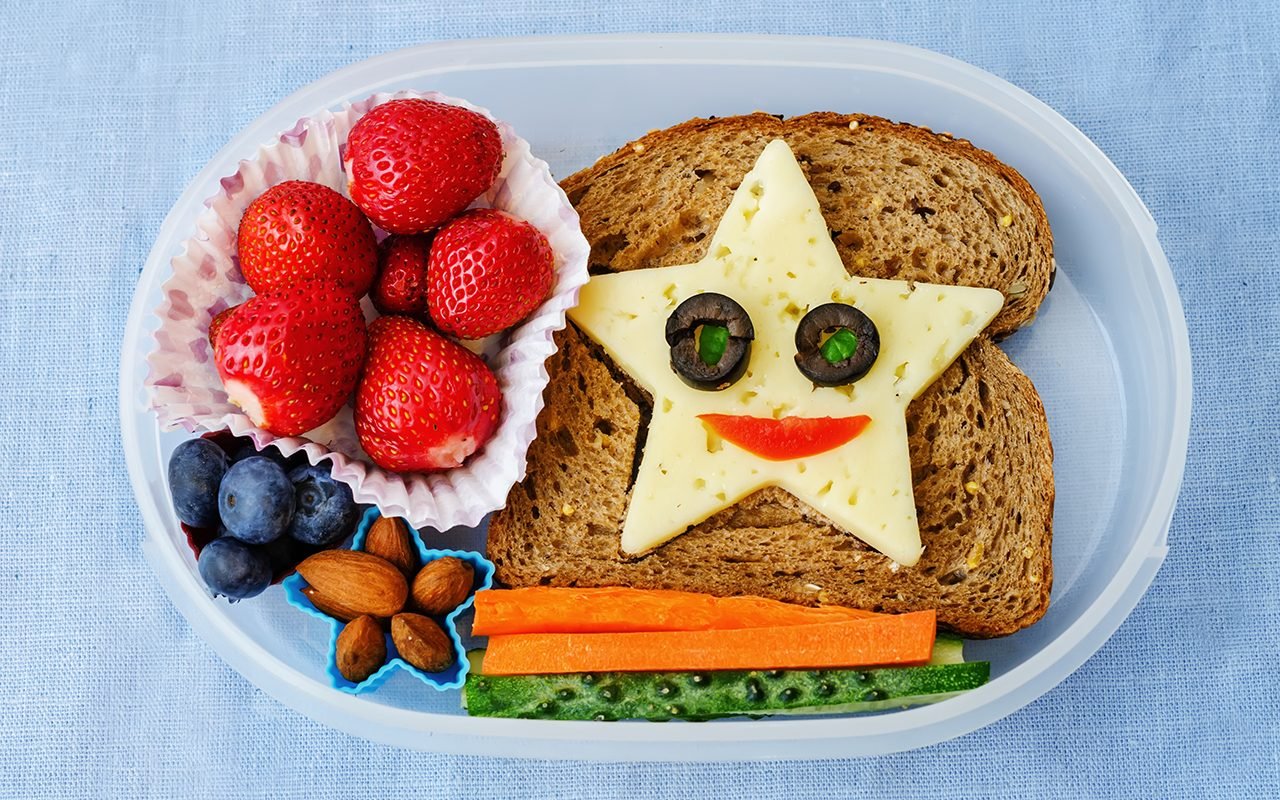
    • Use whole-wheat bread and cut into small squares or fun shapes

    • Fill with peanut butter & banana, turkey & cheese, or cream cheese & cucumber

    🛑 Tip: Opt for nitrate-free deli meats for a healthier choice.

    9. Fruit and Cheese Kabobs

    Kids love fun, bite-sized snacks! Fruit and cheese kabobs are a perfect mix of sweet and savory flavors.

    ✔ How to Make It:

    • Cut cheese cubes and fruits like grapes, strawberries, and pineapple

    • Thread onto skewers for a colorful and delicious snack

    🛑 Tip: Use toothpicks for younger kids to make it easier to eat.

    10. Smoothies

    Smoothies are a great way to pack fruits, veggies, and protein into a single snack.

    ✔ How to Make It:

    • 1 cup milk (dairy or almond)

    • ½ banana

    • ½ cup frozen berries

    • 1 tablespoon nut butter

    • Blend until smooth

    🛑 Tip: Add spinach or chia seeds for an extra nutrition boost.

    How to Encourage Healthy Snacking for Kids

    ✅ Make it Fun: Cut fruits and sandwiches into fun shapes using cookie cutters.
    ✅ Get Kids Involved: Let them help prepare snacks to make them more interested in eating healthy.
    ✅ Have Healthy Options Available: Keep a snack drawer filled with nutritious choices.
    ✅ Set a Good Example: Kids are more likely to eat healthy if they see parents doing the same.

    Conclusion

    Finding healthy snacks that kids will actually eat doesn’t have to be a challenge. By choosing delicious, nutrient-packed options, you can keep your child full, energized, and happy throughout the day. Whether at home, school, or on the go, these snack ideas provide the perfect balance of taste and nutrition. Try these options today and make snack time both fun and healthy!

  • High-Protein Snack Options to Keep You Full Longer

    Protein is essential for muscle growth, weight management, and keeping hunger at bay. Unlike carb-heavy snacks that lead to energy crashes, high-protein snacks provide long-lasting satiety and sustained energy. Whether you’re looking to build muscle, lose weight, or stay full between meals, these protein-rich snack ideas will help keep you on track.

    Why High-Protein Snacks Are Important

    ✔ Keeps You Full Longer: Protein takes longer to digest, reducing hunger cravings.
    ✔ Supports Muscle Growth: Helps with muscle recovery and strength building.
    ✔ Boosts Metabolism: Increases calorie burning through the thermic effect of food (TEF).
    ✔ Regulates Blood Sugar: Prevents energy crashes and stabilizes blood sugar levels.

    Easy and Nutritious High-Protein Snack Ideas

    1. Greek Yogurt with Nuts and Berries

    Greek yogurt is an excellent source of protein and probiotics, which support digestion. Adding nuts and berries enhances the flavor and nutrient profile.

    ✔ How to Make It:

    • ½ cup plain Greek yogurt

    • 1 tablespoon almonds or walnuts

    • ¼ cup fresh berries

    🛑 Tip: Choose unsweetened Greek yogurt to avoid added sugars.

    2. Hard-Boiled Eggs

    Eggs are one of the best high-protein, nutrient-dense snacks. They’re easy to prepare and packed with essential vitamins.

    ✔ How to Make It:

    • Boil eggs for 10 minutes, let cool, and store in the fridge for easy snacking.

    • Sprinkle with salt, pepper, or paprika for extra flavor.

    🛑 Tip: Eat with whole-grain crackers for extra fiber.

    3. Cottage Cheese with Pineapple

    Cottage cheese is rich in casein protein, which provides a slow, steady release of amino acids. Pineapple adds natural sweetness and digestion-boosting enzymes.

    ✔ How to Make It:

    • ½ cup low-fat cottage cheese

    • ¼ cup fresh pineapple chunks

    🛑 Tip: Use fresh pineapple instead of canned to avoid added sugars.

    4. Tuna and Whole-Grain Crackers

    Tuna is high in protein and omega-3 fatty acids, making it a heart-healthy snack.

    ✔ How to Make It:

    • ½ can tuna (packed in water)

    • 4-5 whole-grain crackers

    • A squeeze of lemon juice for extra flavor

    🛑 Tip: Choose low-sodium tuna for a healthier option.

    5. Protein Smoothie

    A protein shake is a quick and convenient way to increase your daily protein intake.

    ✔ How to Make It:

    • 1 scoop protein powder (whey or plant-based)

    • 1 cup unsweetened almond milk

    • ½ banana

    • 1 tablespoon peanut butter

    • Blend until smooth

    🛑 Tip: Add chia seeds or flaxseeds for extra fiber and omega-3s.

    6. Roasted Chickpeas

    Chickpeas are a plant-based protein powerhouse with plenty of fiber to keep you full.

    ✔ How to Make It:

    • 1 can chickpeas, drained and rinsed

    • 1 tablespoon olive oil

    • ½ teaspoon salt, ½ teaspoon garlic powder, ½ teaspoon paprika

    • Roast at 400°F for 25 minutes

    🛑 Tip: Store in an airtight container for an easy, crunchy snack.

    7. Turkey and Cheese Roll-Ups

    Turkey is a lean protein, and cheese adds calcium and healthy fats for a satisfying snack.

    ✔ How to Make It:

    • 2 slices turkey breast

    • 1 slice cheese (cheddar, Swiss, or mozzarella)

    • Roll them up for a simple, protein-packed snack

    🛑 Tip: Add mustard or hummus for extra flavor.

    8. Edamame with Sea Salt

    Edamame is a plant-based protein loaded with fiber and essential amino acids.

    ✔ How to Make It:

    • ½ cup steamed edamame

    • Sprinkle with sea salt and a dash of sesame oil

    🛑 Tip: Buy frozen edamame and microwave for a quick snack.

    9. Almond Butter on Whole-Grain Toast

    Almond butter is high in protein and healthy fats, making it a great energy-boosting snack.

    ✔ How to Make It:

    • 1 slice whole-grain toast

    • 1 tablespoon almond butter

    🛑 Tip: Opt for natural almond butter with no added sugars or oils.

    10. Dark Chocolate and Almonds

    Dark chocolate provides antioxidants, and almonds add protein and healthy fats.

    ✔ How to Make It:

    • 1 ounce (2 small squares) dark chocolate (70% cocoa or higher)

    • 10-12 raw almonds

    🛑 Tip: Stick to small portions to keep calories in check.

    How to Incorporate More Protein into Your Snacks

    ✅ Meal Prep: Prepare protein snacks in advance to avoid unhealthy choices.
    ✅ Combine Protein with Fiber: Pair protein with fiber-rich foods to stay full longer.
    ✅ Choose Whole Foods: Opt for natural, unprocessed protein sources instead of processed snacks.
    ✅ Stay Hydrated: Drinking enough water helps digestion and prevents unnecessary snacking.

    Conclusion

    Choosing high-protein snacks can help you stay full longer, support muscle growth, and maintain energy levels throughout the day. With these easy and delicious snack ideas, you can fuel your body properly and avoid unhealthy cravings. Whether you’re at home, at work, or on the go, having protein-rich snacks on hand will keep you on track with your health and fitness goals.

  • How to Choose Healthy Snacks at the Grocery Store

    How to Choose Healthy Snacks at the Grocery Store

    Shopping for snacks can be overwhelming with so many options available. While many snacks are marketed as “healthy,” they often contain hidden sugars, unhealthy fats, and artificial ingredients. Knowing how to read labels and identify nutritious options will help you make better choices. Whether you’re looking for a quick bite between meals or something to fuel your day, here’s a detailed guide on selecting the healthiest snacks at the grocery store.

    How to Choose Healthy Snacks at the Grocery Store

    Read the Ingredients List Carefully

    The ingredients list is one of the most important things to check when buying snacks. A shorter ingredient list with recognizable, whole food ingredients is a good sign of a healthier snack. Look for simple, natural ingredients such as nuts, seeds, dried fruits, whole grains, and natural sweeteners like honey or dates. Avoid snacks that list artificial flavors, preservatives, hydrogenated oils, or high-fructose corn syrup. If an ingredient is hard to pronounce, it’s best to avoid it.

    Check the Nutrition Label for Key Nutrients

    Understanding the nutrition label helps you determine if a snack is truly healthy. Here’s what to focus on:

    • Fiber Content: Snacks with at least 3 grams of fiber per serving help keep you full, support digestion, and regulate blood sugar levels. Whole grains, nuts, and seeds are great sources of fiber.

    • Protein: A protein-rich snack keeps you full longer and prevents energy crashes. Look for at least 5 grams of protein per serving from sources like Greek yogurt, nuts, or protein bars made from whole ingredients.

    • Healthy Fats: Snacks with healthy fats from nuts, seeds, or avocado-based products are beneficial. Avoid snacks with trans fats or partially hydrogenated oils, as these increase the risk of heart disease.

    • Added Sugar: Many snacks contain excessive added sugar, which can lead to weight gain and blood sugar spikes. Try to keep added sugar under 5 grams per serving and opt for naturally sweetened options like fruit-based snacks.

    • Sodium: Packaged snacks can be high in sodium, which can lead to bloating and high blood pressure. Aim for snacks with less than 200mg of sodium per serving to maintain a balanced diet.

    Choose Whole Grains Over Refined Grains

    Many snack products, like crackers, granola bars, and cereals, are made with refined flour, which lacks fiber and nutrients. Instead, choose snacks made with whole grains like whole wheat, oats, quinoa, or brown rice. Whole-grain snacks provide long-lasting energy and help with digestion. Some good options include whole grain crackers, oatmeal bars, and air-popped popcorn.

    Look for High-Protein Snacks for Satiety

    Protein helps build and repair muscles, keeps you full longer, and balances blood sugar levels. Snacks with high protein content are great for sustaining energy throughout the day. Some excellent high-protein snacks include:

    • Greek yogurt (opt for unsweetened or lightly sweetened versions)

    • Hard-boiled eggs

    • Hummus with whole grain crackers or sliced vegetables

    • Nut butter (almond, peanut, or cashew) with apple slices

    • Protein bars made from whole ingredients like nuts and seeds

    Avoid Artificial Sweeteners and Preservatives

    Many snacks labeled as “sugar-free” contain artificial sweeteners like aspartame, saccharin, or sucralose, which may cause digestive discomfort and increase cravings for sweets. Instead, choose snacks naturally sweetened with fruit, honey, or maple syrup. Additionally, avoid snacks with artificial preservatives, such as BHT and BHA, which are commonly found in processed foods and have potential health risks.

    Pick Snacks with Healthy Fats for Sustained Energy

    Healthy fats play a crucial role in brain function and heart health. Instead of choosing snacks made with vegetable oils and trans fats, opt for snacks containing natural sources of fat. Some great choices include:

    • Nuts and seeds (almonds, walnuts, sunflower seeds)

    • Avocado-based snacks (such as guacamole)

    • Dark chocolate (70% cocoa or higher)

    • Coconut-based snacks (coconut chips, coconut yogurt)

    Watch Out for Portion Sizes

    Even healthy snacks can lead to overeating if consumed in large amounts. Check portion sizes on packaging and stick to single-serving packs if you tend to overeat. Pre-portion snacks at home by dividing them into small containers or bags to avoid mindless eating.

    Best Healthy Snack Options to Look For

    Here are some of the best snack choices to consider when grocery shopping:

    • Nuts and seeds: A great source of protein, fiber, and healthy fats.

    • Dried fruit (without added sugar): Provides natural sweetness and vitamins.

    • Plain air-popped popcorn: A whole grain, low-calorie snack.

    • Greek yogurt with fruit: High in protein and probiotics for gut health.

    • Whole grain crackers with hummus: A balanced mix of fiber and protein.

    • Dark chocolate (70% cocoa or higher): Contains antioxidants and has lower sugar.

    • Nut butter with apple slices: A combination of protein, healthy fats, and fiber.

    Conclusion

    Choosing healthy snacks at the grocery store is easier when you know what to look for. Focus on whole, natural ingredients, check nutrition labels, and avoid processed foods with artificial additives. By making mindful choices, you can enjoy delicious, nutritious snacks that keep you energized throughout the day.

  • Easy Homemade Snack Ideas for Weight Loss

    Easy Homemade Snack Ideas for Weight Loss

    Snacking can be a powerful tool for weight loss when done right. Choosing homemade snacks ensures you control the ingredients, avoid unnecessary sugars and unhealthy fats, and get the nutrients your body needs to stay energized. In this guide, we’ll explore easy, nutritious, and delicious homemade snack ideas that will help you reach your weight loss goals.

    Why Healthy Snacking Helps with Weight Loss

    Contrary to popular belief, snacking isn’t bad for weight loss—it can actually support it when done properly. Healthy snacking:

    ✅ Helps control hunger and prevents overeating at meals
    ✅ Keeps your metabolism active throughout the day
    ✅ Provides essential nutrients to fuel your body
    ✅ Reduces cravings for unhealthy foods

    To maximize weight loss benefits, focus on snacks that are high in protein, fiber, and healthy fats while keeping sugar and refined carbs to a minimum.

    Quick and Easy Homemade Snack Ideas for Weight Loss

    1. Greek Yogurt with Berries and Nuts

    A simple yet satisfying snack packed with protein and fiber. Greek yogurt is rich in probiotics, which support gut health and digestion.

    ✔ How to Make It:

    • ½ cup plain Greek yogurt

    • ¼ cup mixed berries (blueberries, strawberries, raspberries)

    • 1 tablespoon chopped almonds or walnuts

    • Drizzle of honey (optional)

    🛑 Tip: Choose unsweetened Greek yogurt to avoid added sugars.

    2. Avocado and Whole-Grain Crackers

    Avocados are loaded with heart-healthy fats that help keep you full longer. Pairing them with whole-grain crackers adds fiber and crunch.

    ✔ How to Make It:

    • ½ avocado, mashed

    • Squeeze of lemon juice

    • Pinch of salt and black pepper

    • 4-5 whole-grain crackers

    🛑 Tip: Swap crackers for cucumber or bell pepper slices for a low-carb version.

    Easy Homemade Snack Ideas for Weight Loss
    Easy Homemade Snack Ideas for Weight Loss

    3. Hard-Boiled Eggs with Spices

    Eggs are one of the best high-protein snacks for weight loss. They are filling, easy to prepare, and packed with essential nutrients.

    ✔ How to Make It:

    • 1-2 hard-boiled eggs

    • Sprinkle with salt, pepper, and paprika for extra flavor

    🛑 Tip: Make a batch of boiled eggs at the start of the week for easy snacking.

    4. Apple Slices with Peanut Butter

    Apples provide natural sweetness and fiber, while peanut butter adds protein and healthy fats. This combo keeps you full and satisfied.

    ✔ How to Make It:

    • 1 medium apple, sliced

    • 1 tablespoon natural peanut butter

    🛑 Tip: Opt for peanut butter with no added sugar or hydrogenated oils.

    5. Homemade Trail Mix

    Store-bought trail mixes can be loaded with sugar. Making your own lets you control the ingredients for a healthy, energy-boosting snack.

    ✔ How to Make It:

    • ¼ cup raw almonds, walnuts, or cashews

    • 1 tablespoon unsweetened dried fruit (raisins, cranberries, apricots)

    • 1 teaspoon dark chocolate chips (optional)

    🛑 Tip: Stick to small portions, as nuts are calorie-dense.

    6. Hummus and Veggie Sticks

    Hummus is a protein-packed dip that pairs well with crunchy vegetables for a low-calorie, fiber-rich snack.

    ✔ How to Make It:

    • ¼ cup homemade or store-bought hummus

    • Sliced cucumbers, carrots, bell peppers, or celery

    🛑 Tip: Avoid hummus with added oils or preservatives—homemade is best!

    7. Chia Pudding

    Chia seeds are rich in fiber, omega-3s, and protein, making this pudding a great weight-loss snack.

    ✔ How to Make It:

    • 2 tablespoons chia seeds

    • ½ cup unsweetened almond milk

    • ½ teaspoon vanilla extract

    • 1 teaspoon honey (optional)

    • Mix ingredients and let sit for 2-3 hours until it thickens

    🛑 Tip: Add berries or nuts for extra flavor and texture.

    8. Cottage Cheese with Pineapple

    Cottage cheese is high in protein and low in calories, making it a great snack for weight loss. The natural sweetness of pineapple adds a refreshing touch.

    ✔ How to Make It:

    • ½ cup low-fat cottage cheese

    • ¼ cup fresh pineapple chunks

    🛑 Tip: Stick to fresh pineapple instead of canned to avoid added sugars.

    9. Roasted Chickpeas

    Chickpeas are a great source of plant-based protein and fiber. Roasting them makes for a crunchy, savory snack.

    ✔ How to Make It:

    • 1 can chickpeas, drained and rinsed

    • 1 tablespoon olive oil

    • ½ teaspoon salt, ½ teaspoon paprika, ½ teaspoon garlic powder

    • Roast at 400°F for 25-30 minutes

    🛑 Tip: Store in an airtight container for an easy grab-and-go snack.

    10. Dark Chocolate and Almonds

    If you crave something sweet, dark chocolate (70% cocoa or higher) paired with almonds provides antioxidants and healthy fats.

    ✔ How to Make It:

    • 1 ounce (about 2 small squares) of dark chocolate

    • 10-12 raw almonds

    🛑 Tip: Stick to small portions to keep calories in check.

    How to Make Healthy Snacking a Habit

    ✅ Plan Ahead: Prepare snacks in advance so you always have a healthy option on hand.
    ✅ Portion Control: Avoid overeating by using small containers or snack-size bags.
    ✅ Stay Hydrated: Sometimes thirst is mistaken for hunger—drink water before reaching for a snack.
    ✅ Listen to Your Body: Eat when you’re truly hungry, not out of boredom or stress.

    Conclusion

    Snacking doesn’t have to derail your weight loss goals. By choosing nutrient-dense, homemade snacks, you can stay full, maintain energy levels, and avoid unhealthy cravings. Try these easy snack ideas and enjoy guilt-free eating while staying on track with your weight loss journey

  • High-Fiber Snacks That Aid Digestion

    High-Fiber Snacks That Aid Digestion

    Fiber plays a crucial role in maintaining digestive health, promoting regular bowel movements, and supporting gut-friendly bacteria. If you’re looking for snacks that are both delicious and rich in fiber, this guide has you covered.

    High-Fiber Snacks That Aid Digestion

    Why Fiber is Essential for Digestion

    Fiber helps digestion by:

    • Regulating Bowel Movements: Prevents constipation and promotes regularity.

    • Supporting Gut Health: Feeds beneficial gut bacteria, improving overall digestion.

    • Aiding Weight Management: Keeps you full longer and reduces unhealthy cravings.

    • Controlling Blood Sugar Levels: Slows sugar absorption to prevent spikes.

    Best High-Fiber Snacks for Digestive Health

    1. Chia Seed Pudding

    Chia seeds are packed with fiber and omega-3s. Mix them with almond milk and let them sit overnight to create a pudding-like texture. Add berries for extra fiber and flavor.

    2. Apples with Almond Butter

    Apples are rich in soluble fiber, which aids digestion, while almond butter provides healthy fats and protein for a satisfying snack.

    3. Hummus with Veggie Sticks

    Chickpeas, the main ingredient in hummus, are high in fiber. Pair with crunchy vegetables like carrots, celery, and cucumbers for an extra fiber boost.

    4. Oatmeal with Flaxseeds

    A bowl of unsweetened oatmeal with flaxseeds offers both soluble and insoluble fiber, helping with digestion and keeping you full longer.

    5. Avocado Toast on Whole-Grain Bread

    Avocados contain fiber and healthy fats, while whole-grain bread adds more fiber to support digestion. Sprinkle with chia or flaxseeds for added benefits.

    6. Greek Yogurt with Berries and Nuts

    Greek yogurt contains probiotics that support gut health, while berries and nuts provide fiber and antioxidants for better digestion.

    7. Popcorn

    Air-popped popcorn is a low-calorie, high-fiber snack that helps keep your digestive system running smoothly. Avoid butter and excess salt for a healthier option.

    8. Trail Mix with Nuts and Dried Fruits

    A mix of almonds, walnuts, and dried fruits like prunes, figs, and raisins provides fiber, healthy fats, and natural sweetness.

    9. Lentil Soup or Crackers

    Lentils are a fiber powerhouse. Have a small bowl of lentil soup or lentil-based crackers as a healthy, digestion-boosting snack.

    10. Dark Chocolate with Nuts

    Dark chocolate (70% or higher cocoa content) contains fiber and antioxidants. Pair it with almonds or walnuts for an even more nutritious snack.

    Tips for Increasing Fiber Intake

    • Drink More Water: Fiber absorbs water, so staying hydrated helps prevent bloating.

    • Gradually Increase Fiber: Sudden increases in fiber can cause bloating or discomfort, so add fiber-rich foods slowly.

    • Eat Whole Foods: Processed snacks often lack fiber, so choose whole grains, fruits, and vegetables instead.

    Conclusion

    Adding high-fiber snacks to your diet is a simple way to improve digestion and overall health. By choosing whole, fiber-rich foods, you can keep your gut happy and your body energized.