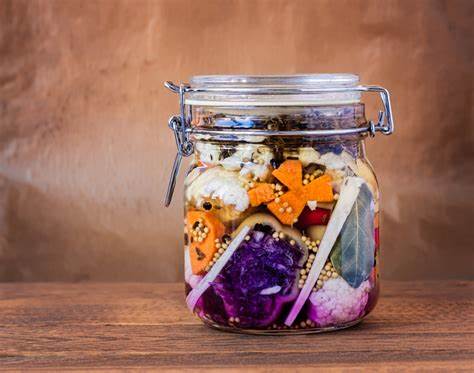
Category: Fermented Foods

  • The Best Fermented Foods You Should Be Eating Daily

    The Best Fermented Foods You Should Be Eating Daily

    Fermented foods are gaining recognition for their impressive health benefits, particularly for gut health. These foods are rich in probiotics—beneficial bacteria that help improve digestion, strengthen the immune system, and promote overall well-being. With so many options to choose from, incorporating fermented foods into your daily diet is easier than you might think.

    In this article, we’ll explore some of the best fermented foods you should be eating daily for optimal gut health and vitality.

    1. Yogurt

    Yogurt is one of the most popular and widely consumed fermented foods. Made by fermenting milk with live bacterial cultures, yogurt is packed with probiotics that can support a healthy gut microbiome. The two most common strains found in yogurt are Lactobacillus and Bifidobacterium, both of which are known for their digestive benefits.

    Health Benefits:

    • Improves digestion and nutrient absorption

    • Enhances immune function

    • Supports the health of bones due to its calcium content

    • May help reduce symptoms of lactose intolerance

    For the greatest benefits, opt for plain, unsweetened yogurt with live active cultures. Avoid flavored varieties that may contain excessive added sugar.

    2. Kimchi

    Kimchi is a staple in Korean cuisine and is made by fermenting vegetables, typically cabbage or radish, with chili peppers, garlic, ginger, and other seasonings. The fermentation process not only enhances the flavors but also introduces beneficial probiotics.

    Health Benefits:

    • Supports digestion by balancing the gut microbiome

    • Rich in antioxidants, which help fight inflammation

    • Boosts immunity by enhancing gut health

    • May aid in weight management by supporting metabolism

    Kimchi is a great addition to meals such as salads, rice dishes, or even sandwiches.

    3. Sauerkraut

    Sauerkraut is a traditional German dish made from fermented cabbage and salt. This tangy, crunchy food is not only delicious but also packed with probiotics, fiber, and vitamins C and K.

    Health Benefits:

    • Promotes gut health by providing live bacteria that help balance the microbiome

    • High in fiber, which supports digestion and bowel regularity

    • Boosts immunity by increasing the number of beneficial bacteria in the gut

    Sauerkraut can be enjoyed on its own, as a topping for sausages or sandwiches, or added to salads for extra crunch.

    4. Kombucha

    Kombucha is a fermented tea beverage made from black or green tea, sugar, and a culture of bacteria and yeast called a SCOBY (Symbiotic Culture of Bacteria and Yeast). The fermentation process produces a tangy, slightly effervescent drink that is rich in probiotics.

    Health Benefits:

    • Improves gut health and digestion

    • May reduce inflammation and help detoxify the body

    • Supports liver health due to its antioxidants

    • Contains B-vitamins that help boost energy levels

    Kombucha is a great alternative to sugary sodas, offering a refreshing drink that is both hydrating and beneficial for your gut.

    5. Kefir

    Kefir is a fermented dairy drink made from milk and kefir grains, which contain a combination of bacteria and yeast. It is similar to yogurt but thinner in consistency and contains a greater variety of probiotics.

    Health Benefits:

    • Supports digestion and promotes gut health with a diverse range of probiotics

    • Improves bone health due to its calcium and vitamin K2 content

    • Strengthens the immune system by promoting the growth of beneficial gut bacteria

    • May help reduce symptoms of lactose intolerance

    Kefir can be enjoyed as a drink on its own or added to smoothies and cereal for a probiotic-packed breakfast.

    6. Miso

    Miso is a traditional Japanese condiment made by fermenting soybeans with salt and a fungus called Aspergillus oryzae. The result is a flavorful paste that can be used in soups, sauces, dressings, and marinades.

    Health Benefits:

    • Promotes gut health by providing beneficial bacteria

    • Rich in protein and fiber, which support digestion

    • Contains antioxidants that help reduce inflammation

    • May improve immune function and cardiovascular health

    Miso soup is a popular and easy way to incorporate this fermented food into your diet.

    7. Pickles (Fermented in Brine)

    Pickles are cucumbers or other vegetables that have been fermented in brine (saltwater) instead of vinegar. This method of fermentation encourages the growth of probiotics, making pickles a good source of beneficial bacteria.

    Health Benefits:

    • Supports gut health by introducing probiotics into the digestive system

    • Helps maintain hydration due to their high water content

    • May support digestion and reduce bloating

    To get the most benefit, choose pickles that are fermented naturally in brine. Many store-bought varieties are made with vinegar and lack live probiotics.

    8. Tempeh

    Tempeh is a fermented soy product made by inoculating cooked soybeans with a specific fungus called Rhizopus oligosporus. It’s a versatile meat alternative that has a firm texture and nutty flavor.

    Health Benefits:

    • Rich in protein and fiber, supporting muscle growth and digestion

    • Supports gut health with its probiotics

    • Contains iron, calcium, and other important nutrients for bone health

    • May help lower cholesterol levels and improve heart health

    Tempeh can be used in a variety of dishes, such as stir-fries, salads, and sandwiches, as a substitute for meat.

    9. Natto

    Natto is a traditional Japanese food made by fermenting soybeans with Bacillus subtilis bacteria. It has a distinct, sticky texture and a strong flavor, often enjoyed as part of a Japanese breakfast.

    Health Benefits:

    • Packed with probiotics that support digestion and gut health

    • High in vitamin K2, which is essential for bone and heart health

    • Contains nattokinase, an enzyme that may help dissolve blood clots and improve circulation

    Natto can be enjoyed on rice or used as an ingredient in soups and salads.

    10. Lassi

    Lassi is a traditional Indian fermented drink made from yogurt, water, and spices. It is often served as a refreshing beverage, especially in hot climates.

    Health Benefits:

    • Supports digestion by introducing probiotics into the gut

    • Helps cool the body and aid in hydration

    • Rich in calcium and B-vitamins for overall health

    Lassi is a great addition to meals, especially in warm weather, and can be flavored with fruit or spices like cardamom for added taste.

    Conclusion

    Incorporating fermented foods into your daily diet is one of the best ways to improve your gut health. These foods are packed with probiotics, which help balance the gut microbiome, enhance digestion, boost immunity, and improve overall well-being. Whether you enjoy yogurt, kimchi, kombucha, or miso, there’s a wide variety of fermented foods to suit every taste. Try adding a few of these nutrient-dense, gut-friendly foods to your meals and enjoy the many health benefits they provide.

  • The Health Benefits of Fermented Foods for Gut Health

    The Health Benefits of Fermented Foods for Gut Health

    Gut health plays a central role in overall well-being, affecting everything from digestion to immune function and even mental health. One of the most effective ways to improve and maintain gut health is by incorporating fermented foods into your diet. Fermented foods are rich in probiotics, live microorganisms that provide numerous health benefits when consumed in adequate amounts. These foods not only enhance digestion but also support a balanced gut microbiome, which is crucial for your health.

    In this article, we’ll explore how fermented foods promote gut health, their specific benefits, and how to include them in your diet.

    What Are Fermented Foods?

    Fermented foods are foods that have undergone fermentation, a process where natural bacteria or yeasts break down sugars in food. This process enhances the food’s nutritional value and creates beneficial microorganisms known as probiotics. Some of the most popular fermented foods include:

    • Yogurt: Made from milk fermented with bacterial cultures like Lactobacillus and Bifidobacterium.

    • Kimchi: A Korean dish made from fermented vegetables, typically cabbage and radishes.

    • Sauerkraut: Fermented cabbage that’s rich in lactic acid bacteria.

    • Kombucha: A fermented tea drink made with yeast and bacteria.

    • Kefir: A fermented dairy drink similar to yogurt but with a greater variety of bacteria and yeasts.

    • Miso: A fermented paste made from soybeans, often used in soups and sauces.

    How Fermented Foods Improve Gut Health

    Fermented foods are most well-known for their ability to improve gut health due to their probiotic content. Probiotics are beneficial bacteria that promote a healthy balance of gut microbiota. Here’s how they work:

    1. Boosting the Gut Microbiome

    The gut microbiome is a collection of trillions of bacteria that live in your digestive tract. A balanced microbiome is essential for digestion, immune function, and overall health. The beneficial bacteria found in fermented foods help maintain a healthy microbiome by promoting the growth of good bacteria while suppressing harmful bacteria.

    Fermented foods introduce new strains of probiotics to your gut, helping to replenish and diversify your gut microbiome. This balance is crucial for reducing inflammation and supporting digestion.

    2. Enhancing Digestion

    Probiotics found in fermented foods help break down food more efficiently, making it easier for your body to absorb essential nutrients. They also aid in the digestion of complex carbohydrates, proteins, and fats. As probiotics colonize your gut, they help improve digestive processes, making them especially beneficial for people who suffer from digestive issues like bloating, constipation, or indigestion.

    Fermented foods can also help individuals with lactose intolerance. The probiotics in yogurt and kefir, for example, break down lactose, making these foods easier to digest for those who have difficulty processing milk.

    3. Supporting Immune Function

    A large portion of your immune system resides in your gut. In fact, around 70% of your immune cells are located in your digestive system. A healthy gut microbiome is key to a well-functioning immune system. Probiotics from fermented foods help regulate immune responses by enhancing the activity of immune cells and reducing inflammation.

    Fermented foods may also help prevent infections by boosting the production of specific immune compounds, such as immunoglobulin A (IgA), which plays a key role in mucosal immunity. Regular consumption of fermented foods can strengthen your body’s defenses against harmful pathogens and toxins.

    4. Reducing Gut Inflammation

    Chronic gut inflammation is linked to various digestive disorders, such as irritable bowel syndrome (IBS) and inflammatory bowel disease (IBD). The probiotics in fermented foods help modulate the immune system and reduce inflammation in the gut, potentially alleviating symptoms of these conditions. Studies suggest that the consumption of fermented foods can reduce the severity of gut-related inflammatory diseases by promoting the growth of beneficial bacteria and suppressing harmful bacteria.

    5. Improving Mental Health Through the Gut-Brain Axis

    The gut and brain are closely connected through a pathway known as the gut-brain axis. Research has shown that the state of your gut microbiome can influence your mental health, affecting mood, cognition, and stress levels. A healthy gut microbiome, supported by probiotics from fermented foods, has been linked to a reduced risk of mental health disorders like anxiety and depression.

    Probiotics can also influence the production of neurotransmitters, such as serotonin, which regulates mood and emotional health. By improving gut health, fermented foods may have a positive impact on your mental well-being.

    6. Supporting the Absorption of Nutrients

    Fermented foods not only improve digestion but also enhance the bioavailability of certain nutrients. The fermentation process helps break down compounds like phytic acid, which can inhibit the absorption of minerals like iron, zinc, and calcium. As a result, fermented foods can help you absorb more of these essential nutrients from your meals.

    In addition, the probiotics in fermented foods can synthesize certain vitamins, such as B vitamins, making them even more beneficial for your overall health.

    How to Incorporate Fermented Foods Into Your Diet

    Adding fermented foods to your daily meals is easier than you might think. Here are some simple ideas for incorporating them into your diet:

    • Start with yogurt: Use it as a base for smoothies, or enjoy it with fruits and nuts as a snack.

    • Add kimchi and sauerkraut: These can be added to salads, sandwiches, or bowls for extra flavor and probiotics.

    • Drink kombucha: Replace sugary sodas with kombucha for a refreshing and gut-friendly alternative.

    • Try kefir: This drink can be enjoyed on its own or mixed into smoothies or breakfast bowls.

    • Incorporate miso: Add miso paste to soups, dressings, and sauces for a rich umami flavor.

    Conclusion

    Fermented foods are powerful tools for improving gut health. The probiotics they contain help maintain a balanced gut microbiome, improve digestion, boost the immune system, and even support mental health. By including fermented foods like yogurt, kimchi, and kombucha in your diet, you can reap the numerous benefits they offer. Start small and experiment with different fermented foods to find the ones that work best for you. Your gut—and your overall health—will thank you!

  • What Are Fermented Foods and Why Are They Good for You?

    What Are Fermented Foods and Why Are They Good for You?

    Fermented foods have been part of human diets for centuries, offering a rich source of beneficial bacteria that support health. Fermentation is a natural process where microorganisms like bacteria, yeasts, and molds break down food, resulting in changes in flavor and a boost in nutritional content. While the process itself might sound complex, the benefits of eating fermented foods are both straightforward and significant for overall health.

    In this article, we’ll explore what fermented foods are, how they’re made, and the numerous health benefits they offer.

    What Are Fermented Foods?

    Fermented foods are foods or beverages that have been produced through the controlled growth of microorganisms, such as bacteria, yeast, or fungi. During fermentation, these microorganisms break down the sugars or starches in the food, creating beneficial compounds like probiotics, enzymes, and bioactive peptides.

    Common examples of fermented foods include:

    • Yogurt: Made by fermenting milk with specific bacterial cultures.

    • Sauerkraut: Fermented cabbage, typically with salt and beneficial bacteria.

    • Kimchi: A Korean dish made of fermented vegetables, usually cabbage and radishes.

    • Kefir: A fermented dairy drink made from kefir grains and milk.

    • Kombucha: A fermented tea drink made with sweetened tea and a symbiotic culture of bacteria and yeast (SCOBY).

    • Miso: A Japanese paste made from fermented soybeans, used in soups and sauces.

    • Pickles: Vegetables (usually cucumbers) that have been fermented in brine or vinegar.

    How Are Fermented Foods Made?

    Fermentation involves the use of bacteria, yeast, or other microorganisms to break down food. There are two primary types of fermentation processes:

    1. Lactic Acid Fermentation: This process occurs when bacteria convert sugars into lactic acid. The lactic acid preserves the food and imparts a tangy flavor. Common examples of lactic acid-fermented foods include yogurt, kimchi, and sauerkraut.

    2. Alcoholic Fermentation: Yeast converts sugars into alcohol and carbon dioxide. Examples of foods produced through alcoholic fermentation include kombucha and fermented alcoholic beverages like beer and wine.

    3. Acetic Acid Fermentation: This is the process that occurs in foods like vinegar and pickles, where yeast and bacteria work together to ferment sugars into acetic acid, giving the food a sour taste.

    Why Are Fermented Foods Good for You?

    Fermented foods are packed with a wide array of health benefits. From improving digestion to boosting your immune system, these foods offer much more than just flavor. Below are some of the top reasons why incorporating fermented foods into your diet can improve your health:

    1. Improved Digestion

    Fermented foods are rich in probiotics, which are live bacteria and yeasts that are beneficial for your gut. These probiotics help balance the microbiome in your digestive system, promoting healthy digestion. They may assist in breaking down food and absorbing nutrients more effectively, potentially reducing bloating, gas, and indigestion.

    Health Benefit: Probiotics in fermented foods can reduce symptoms of irritable bowel syndrome (IBS), diarrhea, and constipation.

    2. Enhanced Gut Health

    Fermented foods support a healthy gut microbiome, which plays a crucial role in overall health. A balanced microbiome can enhance immune function, improve digestion, and even influence mood and mental health. Studies have shown that a healthy gut microbiome is linked to better cognitive function and reduced risk of chronic diseases.

    Health Benefit: Fermented foods can help balance gut bacteria, reducing harmful bacteria and fostering a more diverse and beneficial microbiome.

    3. Stronger Immune System

    The beneficial bacteria in fermented foods not only support digestion but also contribute to a stronger immune system. A healthy gut is key to immune function, as about 70% of the body’s immune system is located in the digestive tract. Probiotics help regulate the immune system, enhance the body’s ability to fight infections, and reduce inflammation.

    Health Benefit: Fermented foods can improve immune responses and protect against harmful pathogens and infections.

    4. Better Nutrient Absorption

    Fermentation can increase the bioavailability of certain nutrients in foods, making them easier for the body to absorb. For example, fermentation breaks down phytic acid in grains and legumes, which can inhibit the absorption of minerals like zinc and iron. As a result, fermented foods are often more nutritious than their non-fermented counterparts.

    Health Benefit: Consuming fermented foods can improve the absorption of essential nutrients such as vitamins, minerals, and antioxidants.

    5. Mental Health Benefits

    Emerging research suggests that the gut-brain connection plays a significant role in mental health. A healthy gut can positively affect mood and cognitive function, potentially reducing the risk of anxiety, depression, and other mood disorders. Since fermented foods support gut health, they may also help improve mental well-being.

    Health Benefit: Probiotics in fermented foods can potentially alleviate symptoms of anxiety, depression, and stress.

    6. Weight Management

    Fermented foods can contribute to weight management by promoting healthy digestion, reducing bloating, and supporting metabolism. Some studies have shown that the probiotics found in fermented foods can influence fat storage and energy balance, making it easier to maintain a healthy weight.

    Health Benefit: The consumption of fermented foods may aid in reducing belly fat and improving metabolism.

    7. Heart Health

    Fermented foods may support heart health by improving cholesterol levels and reducing high blood pressure. Studies suggest that the probiotics in fermented foods can help lower levels of LDL (bad) cholesterol and increase HDL (good) cholesterol, contributing to a healthier cardiovascular system.

    Health Benefit: Fermented foods can help lower the risk of heart disease by improving cholesterol levels and reducing blood pressure.

    How to Incorporate Fermented Foods into Your Diet

    Adding fermented foods to your diet can be simple and delicious. Here are a few easy ways to incorporate them:

    • Start with yogurt or kefir: These probiotic-rich dairy products can be added to smoothies, cereals, or enjoyed as snacks.

    • Include sauerkraut and kimchi: Top your salads, sandwiches, or bowls with these fermented vegetables for a tangy kick.

    • Sip on kombucha: Drink this fermented tea as a refreshing beverage throughout the day.

    • Use miso paste: Add miso to soups, dressings, and marinades for added flavor and nutrition.

    • Pickle your vegetables: Try making homemade pickles or adding fermented veggies to your meals.

    Conclusion

    Fermented foods are not just tasty; they offer numerous health benefits, from improved digestion to a stronger immune system and better heart health. By incorporating these foods into your diet, you can help promote a balanced gut microbiome, improve nutrient absorption, and support your overall well-being. Start with a few simple additions to your meals, and enjoy the many rewards that come with a fermented food-filled diet.

  • The Best Fermented Foods to Eat for a Healthy Gut

    The Best Fermented Foods to Eat for a Healthy Gut

    Maintaining a healthy gut is crucial for overall well-being. A healthy gut not only supports proper digestion but also plays a significant role in your immune system, mental health, and even skin appearance. One of the best ways to promote gut health is by incorporating fermented foods into your diet. These foods are packed with probiotics, beneficial bacteria that support digestion, balance gut microbiota, and strengthen your immune system. Let’s dive into the best fermented foods you should eat to ensure a healthy gut.

    What Are Fermented Foods?

    Fermented foods are those that have undergone a fermentation process, where natural bacteria, yeasts, or fungi convert the sugars and starches in the food into acids or alcohol. This process not only preserves the food but also enhances its nutritional profile. The fermentation process increases the bioavailability of nutrients and creates probiotics, live microorganisms that benefit your digestive system and overall health.

    Top Fermented Foods for a Healthy Gut

    1. Kimchi

    Kimchi is a traditional Korean dish made from fermented vegetables, primarily napa cabbage, and radishes, flavored with chili, garlic, ginger, and other spices. It’s loaded with probiotics that can significantly improve gut health by restoring the balance of healthy bacteria. Kimchi also contains fiber, antioxidants, and vitamins, making it a powerful addition to any diet. Eating kimchi regularly can help promote digestion, reduce bloating, and support a strong immune system.

    2. Sauerkraut

    Sauerkraut is a German dish made from finely chopped fermented cabbage. It’s rich in probiotics, particularly Lactobacillus bacteria, which are beneficial for digestion and gut flora balance. In addition to its probiotic content, sauerkraut is a good source of vitamin C and fiber. It has been linked to improved digestion, a stronger immune system, and a reduced risk of certain gut-related diseases. The natural fermentation process helps preserve the cabbage and increase its digestibility, making sauerkraut a great option for gut health.

    3. Kefir

    Kefir is a fermented dairy product similar to yogurt but with a thinner consistency. It’s made by fermenting milk with kefir grains, which contain a variety of bacteria and yeasts. The probiotics found in kefir can support the gut microbiome, improve digestion, and help alleviate lactose intolerance. Kefir is also rich in protein, calcium, and B vitamins, making it a nutrient-dense option for gut health. Non-dairy kefir made from coconut milk, almond milk, or soy milk is also available for those following a plant-based diet.

    4. Yogurt

    Yogurt is one of the most widely consumed fermented foods and is packed with probiotics, particularly Lactobacillus and Bifidobacterium strains. These probiotics are essential for supporting gut health and improving digestion. In addition to probiotics, yogurt is a great source of protein, calcium, and vitamins, all of which contribute to healthy bones, muscles, and immune function. Opt for plain, unsweetened yogurt to avoid added sugars, which can interfere with gut health. Greek yogurt is also a great option as it’s higher in protein and lower in sugar than regular yogurt.

    The Best Fermented Foods to Eat for a Healthy Gut
    The Best Fermented Foods to Eat for a Healthy Gut

    5. Miso

    Miso is a fermented paste made from soybeans, rice, or barley, and it’s a key ingredient in Japanese cuisine. It is rich in beneficial bacteria that help support gut health and digestion. Miso is also an excellent source of protein, antioxidants, and vitamins, making it a nutrient-dense food for overall health. It’s commonly used in soups, sauces, and dressings, adding a savory umami flavor. The probiotics in miso can help improve gut flora and reduce inflammation in the digestive tract.

    6. Tempeh

    Tempeh is a fermented soybean product that originates from Indonesia. It’s made by fermenting cooked soybeans with a specific type of mold, which binds the beans together into a firm cake. Tempeh is a rich source of protein, fiber, and probiotics. It contains beneficial bacteria that support digestion, promote a healthy gut, and improve nutrient absorption. It’s also a versatile food that can be grilled, sautéed, or crumbled into various dishes like stir-fries, salads, and sandwiches.

    7. Pickles

    Pickles, or fermented cucumbers, are a popular snack and side dish in many cultures. When fermented in brine, cucumbers develop probiotics that can support gut health and improve digestion. Pickles are also a good source of fiber, vitamin K, and antioxidants. However, it’s important to choose naturally fermented pickles (not those made with vinegar) for the full probiotic benefits. Just be mindful of the sodium content, as pickles can sometimes be high in salt.

    8. Kombucha

    Kombucha is a fermented tea made by brewing tea with sugar and a symbiotic culture of bacteria and yeast (SCOBY). The fermentation process produces beneficial probiotics, organic acids, and enzymes that support gut health and digestion. Kombucha is also rich in antioxidants, which can help fight inflammation and promote overall health. Drinking kombucha regularly can aid in digestion, boost your immune system, and enhance your energy levels. Be sure to choose unpasteurized kombucha to get the full probiotic benefits.

    9. Natto

    Natto is a traditional Japanese food made from fermented soybeans. Unlike other fermented soy products like tofu and tempeh, natto has a sticky texture and a distinct, strong flavor. It’s rich in probiotics, particularly Bacillus subtilis, which is beneficial for gut health. Natto is also high in protein, fiber, and vitamin K2, which is essential for bone health. While its taste and texture may not be for everyone, natto is an incredibly healthy fermented food to add to your diet.

    Conclusion

    Incorporating fermented foods into your diet can have a profound impact on your gut health and overall well-being. Foods like kimchi, sauerkraut, kefir, yogurt, miso, and tempeh are rich in probiotics that support digestion, improve nutrient absorption, and strengthen the immune system. Whether you’re looking to boost your gut flora, enhance digestion, or just add more variety to your meals, these fermented foods are delicious and nutrient-d

  • The Health Benefits of Fermented Foods for Digestion

    The Health Benefits of Fermented Foods for Digestion

    Fermented foods have been a staple in cultures worldwide for centuries. From kimchi in Korea to sauerkraut in Germany, these foods are known for their unique flavors and their ability to improve digestive health. But did you know that fermented foods can have a significant impact on your gut health? This blog explores the many health benefits of fermented foods, particularly their role in digestion, and how you can incorporate them into your diet.

    What Are Fermented Foods?

    Fermented foods are foods and beverages that have undergone a fermentation process where natural bacteria, yeasts, or fungi convert sugars and starches into acids or alcohol. This process not only preserves the food but also increases its nutritional value. The fermentation process enhances the bioavailability of nutrients and introduces beneficial probiotics—live microorganisms that contribute to gut health.

    Common Examples of Fermented Foods:

    • Kefir: A fermented milk drink packed with probiotics.

    • Kimchi: A traditional Korean side dish made from fermented vegetables, often including cabbage and radishes.

    • Sauerkraut: A fermented cabbage dish popular in European cuisine.

    • Miso: A Japanese paste made from fermented soybeans.

    • Tempeh: A fermented soy product that is often used as a meat substitute in plant-based diets.

    • Pickles: Cucumbers fermented in brine or vinegar, commonly enjoyed as a snack or condiment.

    • Yogurt: Fermented dairy that contains live bacteria cultures beneficial for digestion.

    How Fermented Foods Benefit Digestion

    The primary digestive benefit of fermented foods comes from the probiotics they contain. Probiotics are beneficial bacteria that live in your gut and support various bodily functions. They are especially important for the digestive system, where they help to break down food, absorb nutrients, and maintain a balanced gut microbiome.

    1. Improve Gut Health

    Fermented foods introduce healthy bacteria into your digestive system, which can help improve the balance of the gut microbiome. A healthy gut microbiome is essential for proper digestion, immune function, and overall health. By boosting the number of beneficial bacteria, fermented foods help to crowd out harmful bacteria and yeast that can lead to digestive issues like bloating, gas, and constipation.

    2. Enhance Nutrient Absorption

    Fermentation increases the bioavailability of certain nutrients in foods, making them easier for your body to absorb. For example, the fermentation process in vegetables like cabbage increases the availability of vitamins such as vitamin K2 and B vitamins. Additionally, fermented foods can enhance the absorption of minerals like calcium and magnesium, which are essential for bone health.

    3. Aid in Digestion of Lactose

    Fermented dairy products like kefir and yogurt contain live bacteria cultures that partially break down lactose, the sugar found in milk. This process makes fermented dairy products easier to digest for people who have difficulty with lactose intolerance. The probiotics in these foods help people digest lactose more efficiently, reducing symptoms like bloating and gas.

    4. Relieve Digestive Issues

    Fermented foods have been shown to provide relief from common digestive issues such as bloating, constipation, and diarrhea. The probiotics in fermented foods can improve bowel regularity and help to alleviate symptoms of irritable bowel syndrome (IBS) by restoring balance to the gut microbiome. They also support the production of short-chain fatty acids, which promote gut health and reduce inflammation in the digestive tract.

    The Health Benefits of Fermented Foods for Digestion
    The Health Benefits of Fermented Foods for Digestion

    5. Strengthen the Immune System

    A large portion of your immune system resides in your gut. Fermented foods can play a crucial role in supporting your immune system by promoting the growth of beneficial bacteria that influence immune function. Regular consumption of fermented foods can help maintain a healthy balance of gut bacteria, reducing the risk of infections and inflammation in the digestive tract.

    How to Incorporate More Fermented Foods into Your Diet

    If you’re new to fermented foods, it’s easy to start incorporating them into your daily routine. Here are a few simple ways to enjoy the digestive benefits of fermented foods:

    1. Add Yogurt or Kefir to Your Breakfast

    Start your day with a serving of yogurt or kefir. These probiotic-rich dairy options can be added to smoothies, parfaits, or enjoyed with fruit and nuts. Opt for unsweetened varieties to avoid added sugars.

    2. Include Sauerkraut or Kimchi as a Side Dish

    Sauerkraut and kimchi are excellent additions to meals, providing both probiotics and fiber. Enjoy them alongside sandwiches, salads, or even as a topping for bowls of rice or grain-based dishes.

    3. Snack on Pickles

    Pickles are another easy way to add fermented foods to your diet. Choose naturally fermented pickles (not vinegar-based) for maximum probiotic content. They make a great snack or can be added to salads and wraps.

    4. Try Fermented Soy Products

    Tempeh and miso are excellent sources of plant-based protein and probiotics. Tempeh can be grilled, sautéed, or crumbled into dishes like stir-fries, salads, or tacos. Miso can be used in soups, dressings, and marinades to add a savory, umami flavor.

    5. Drink Fermented Beverages

    Fermented beverages like kombucha (a fermented tea) or water kefir are becoming more popular as a healthy, gut-friendly drink option. Try swapping your sugary sodas or juices for these low-calorie, probiotic-rich alternatives.

    Precautions When Consuming Fermented Foods

    While fermented foods offer numerous digestive benefits, it’s important to consume them in moderation, especially if you are not used to them. Overeating fermented foods can cause bloating or digestive discomfort due to the increase in fiber and probiotics.

    Additionally, some fermented foods like sauerkraut or pickles can be high in sodium, so it’s essential to monitor your salt intake to avoid any negative impact on blood pressure.

    Conclusion

    Fermented foods are a powerful tool for improving digestion and supporting overall gut health. Rich in probiotics, fiber, and essential nutrients, these foods can help balance your gut microbiome, enhance nutrient absorption, and provide relief from common digestive issues. Incorporating a variety of fermented foods like yogurt, kimchi, sauerkraut, and kefir into your daily meals can have a positive impact on your digestive system and overall well-being. Start small, experiment with flavors, and enjoy the numerous health benefits of fermented foods in your diet.

  • How to Make Your Own Fermented Foods at Home

    How to Make Your Own Fermented Foods at Home

    Fermented foods are a great addition to your diet, providing a wealth of probiotics that can enhance gut health, improve digestion, and support overall well-being. While store-bought options are readily available, making your own fermented foods at home can be a fun and cost-effective way to take control of your health. In this guide, we’ll walk you through the basics of fermenting food at home and share some easy recipes to get you started.

    Why Ferment Your Own Foods?

    Making fermented foods at home offers several benefits:

    • Cost-Effective: Homemade fermented foods are typically less expensive than store-bought options.

    • Customization: You can adjust flavors and ingredients to suit your personal preferences.

    • Freshness: Homemade fermented foods tend to be fresher and retain more of their natural nutrients.

    • Healthier Options: By making your own, you control the ingredients and avoid added preservatives and sugars commonly found in store-bought versions.

    Essential Equipment for Home Fermentation

    To get started, you’ll need a few essential tools:

    1. Glass Jars or Fermentation Crocks: Glass jars are the most common container for fermenting small batches. A fermentation crock is great for larger batches.

    2. A Weight or Something to Keep Food Submerged: Keeping your food submerged under the brine helps prevent mold from growing. You can use a weight specifically designed for fermentation or a clean stone.

    3. Cloth or Lid: If you’re fermenting in jars, you’ll need cloth or a loose-fitting lid to allow gases to escape while keeping dust and contaminants out.

    4. Salt: A non-iodized salt, like sea salt or kosher salt, is used to help draw out moisture from vegetables and create the brine in which bacteria thrive.

    Basic Steps for Fermenting Vegetables

    Here’s a simple step-by-step guide to fermenting vegetables like cabbage (for sauerkraut) or cucumbers (for pickles):

    1. Choose Your Vegetables: Fresh, organic vegetables work best for fermentation. Cabbage, cucumbers, carrots, and radishes are popular choices.

    2. Wash and Chop: Thoroughly wash your vegetables to remove any dirt or pesticides. Cut them into desired sizes – thin slices, sticks, or chunks work best for most recipes.

    3. Make the Brine: Dissolve salt in water to create a brine. The standard ratio is about 2 tablespoons of salt per quart of water. The brine will help to create an anaerobic environment that promotes the growth of beneficial bacteria.

    4. Pack the Vegetables into Jars: Place the prepared vegetables into a glass jar or fermentation crock. Pack them tightly to reduce air pockets, leaving about an inch of space at the top. Ensure that the vegetables are fully submerged in the brine. Use a weight to keep them under the liquid if needed.

    5. Ferment: Cover the jar with a cloth or a loose-fitting lid to allow gas to escape while keeping contaminants out. Leave the jar at room temperature, away from direct sunlight, for anywhere between 3 to 10 days. The time will vary depending on the ambient temperature and the type of vegetable being fermented.

    6. Check and Taste: After 3 days, start checking the vegetables. Taste them regularly to find the flavor and tang that you enjoy. If you prefer a milder flavor, stop fermenting sooner; for a stronger taste, leave them longer.

    7. Refrigerate: Once the vegetables have reached your desired level of fermentation, store them in the refrigerator. The cold temperature will slow the fermentation process and preserve your homemade fermented foods for weeks.

    Easy Fermented Food Recipes to Try

    Here are a couple of simple and popular fermented foods you can make at home:

    1. Sauerkraut

    • Ingredients: 1 medium head of cabbage, 1 tablespoon sea salt.

    • Instructions: Shred the cabbage and mix it with the salt. Massage the cabbage with your hands until it releases its moisture. Pack the cabbage tightly into a jar and make sure it’s submerged in its brine. Follow the fermentation steps above, checking the sauerkraut after a few days.

    2. Kimchi

    • Ingredients: 1 small napa cabbage, 2 tablespoons sea salt, 2 tablespoons grated ginger, 3 cloves garlic (minced), 1 tablespoon sugar, 2 tablespoons fish sauce, 2 tablespoons Korean chili flakes.

    • Instructions: Cut the napa cabbage into quarters and salt it. Let it sit for a few hours to draw out water. Rinse the cabbage and combine it with the other ingredients in a large bowl. Pack the mixture tightly into jars and leave to ferment for 3-5 days, checking and tasting regularly.

    3. Kefir

    Kefir is a fermented milk drink that’s packed with probiotics. It’s made by adding kefir grains to milk and allowing the mixture to ferment at room temperature for 12-48 hours.

    • Ingredients: Kefir grains, milk (cow, goat, or plant-based).

    • Instructions: Place the kefir grains in a glass jar and cover with milk. Let the mixture sit for 12-48 hours, depending on how tangy you want the drink. Strain out the grains and refrigerate the kefir.

    Tips for Success

    • Temperature: Keep your jars in a cool, dark place for optimal fermentation. Temperatures between 65°F and 75°F (18°C – 24°C) are ideal.

    • Cleanliness: Always sanitize your jars and utensils before starting to ensure that only beneficial bacteria are present.

    • Experiment: Don’t be afraid to experiment with different vegetables, spices, and flavor combinations. The world of fermentation is full of creative possibilities!

    Conclusion

    Making your own fermented foods at home is a rewarding process that provides you with fresh, probiotic-rich foods. With a few basic ingredients and tools, you can create delicious homemade kimchi, sauerkraut, pickles, and more. Start small, follow the instructions, and experiment with different flavors to make your own customized fermented foods. Enjoy the many health benefits of probiotics while savoring the delicious, tangy flavors of your homemade creations!

  • The Science Behind Fermentation and Probiotics

    The Science Behind Fermentation and Probiotics

    Fermentation is an ancient process that has been used for thousands of years to preserve food and enhance its nutritional value. At its core, fermentation is a metabolic process where microorganisms like bacteria, yeast, or molds convert sugars and starches in food into alcohol, acids, and gases. The science behind fermentation and probiotics involves understanding how these microorganisms interact with food to create beneficial compounds that promote gut health and overall well-being. Let’s dive into the science behind fermentation and probiotics, and how they contribute to a healthier digestive system.

    The Science Behind Fermentation and Probiotics

    What is Fermentation?

    Fermentation occurs when microorganisms, such as bacteria, yeast, or molds, break down organic substances, particularly sugars, in an oxygen-free environment. The process can occur naturally in the environment or be controlled in a laboratory setting to produce specific foods and beverages. Fermentation is often used to transform raw food into a more digestible and nutritious form. For example, the sugars in milk are fermented by bacteria to create yogurt, while grains are fermented to make bread or beer.

    The Role of Bacteria in Fermentation

    Bacteria play a crucial role in the fermentation process. The most common type of bacteria involved in fermentation are lactic acid bacteria (LAB), such as Lactobacillus and Bifidobacterium. These bacteria consume sugars in food and produce lactic acid as a byproduct. Lactic acid acts as a preservative by lowering the pH of the food, which inhibits the growth of harmful bacteria and prevents spoilage.

    In addition to preserving food, lactic acid bacteria produce beneficial compounds during fermentation that enhance the nutritional profile of the food. These compounds can include vitamins (like B-vitamins), minerals, and bioactive peptides that are easier for the body to absorb.

    What Are Probiotics?

    Probiotics are live microorganisms that, when consumed in adequate amounts, confer health benefits to the host, typically by improving the balance of gut bacteria. The term “probiotic” comes from the Greek word “pro,” meaning “for,” and “bios,” meaning “life.” In simple terms, probiotics are the “good” bacteria that help maintain a healthy balance of microorganisms in the digestive system.

    How Probiotics Impact Gut Health

    The gut microbiome is a complex ecosystem of trillions of bacteria that reside in the digestive system. These bacteria play an essential role in digestion, nutrient absorption, immune function, and even mental health. A healthy gut microbiome is diverse, with a balance between beneficial and harmful bacteria.

    Probiotics help restore this balance by promoting the growth of beneficial bacteria and inhibiting the growth of harmful bacteria. They do this in several ways:

    Strengthening the Gut Barrier

    Probiotics help maintain the integrity of the intestinal lining, preventing harmful substances from entering the bloodstream and causing inflammation or infections.

    Producing Antimicrobial Compounds

    Some probiotics produce compounds that kill or inhibit the growth of pathogenic bacteria, protecting the gut from harmful microorganisms.

    Enhancing Digestion

    Probiotics can break down complex carbohydrates, fibers, and proteins that the human digestive system cannot process on its own. This improves nutrient absorption and digestion.

    Boosting Immune Function

    Probiotics support the immune system by interacting with immune cells in the gut and regulating the production of immune molecules.

    The Benefits of Probiotics Beyond Digestion

    While probiotics are most commonly associated with improving digestive health, they offer several other benefits as well:

    1. Mental Health: The gut-brain connection is a growing area of research. Studies suggest that probiotics may help reduce symptoms of anxiety.

    2. Immune Support: Probiotics help regulate the immune system by stimulating the production of certain antibodies and enhancing the function of immune cells like T lymphocytes and macrophages.

    3. Weight Management: Emerging research suggests that probiotics may help in weight management by influencing fat storage, appetite regulation, and the metabolism of fatty acids.

    4. Skin Health: Probiotics may help improve skin conditions like eczema, acne, and rosacea by reducing inflammation and balancing the skin’s microbiome.

    Common Fermented Foods That Contain Probiotics

    Several fermented foods are rich in probiotics, and incorporating these into your diet can improve your gut health:

    • Yogurt: Contains live cultures of Lactobacillus and Bifidobacterium strains.

    • Kefir: A fermented milk drink with a variety of probiotic strains.

    • Kimchi: A spicy Korean side dish made from fermented vegetables like cabbage and radishes.

    • Sauerkraut: Fermented cabbage that provides Lactobacillus bacteria.

    • Kombucha: A fermented tea drink containing a variety of beneficial yeast and bacteria.

    • Miso: A Japanese paste made from fermented soybeans, rich in probiotics and enzymes.

    • Tempeh: A fermented soy product with a firm texture and high probiotic content.

    Conclusion

    The science behind fermentation and probiotics shows how beneficial bacteria can improve gut health, digestion, and overall well-being.

  • The Role of Probiotics in Fermented Foods and Why They Matter

    The Role of Probiotics in Fermented Foods and Why They Matter

    Fermented foods have become increasingly popular for their health benefits, particularly their rich content of probiotics. But what exactly are probiotics, and why are they so essential to our health? In this article, we’ll explore the role of probiotics in fermented foods and how they can positively impact your overall well-being.

    What Are Probiotics?

    Probiotics are live microorganisms that, when consumed in adequate amounts, provide health benefits to the host—your body. These beneficial bacteria help balance the gut microbiome, which is the collection of bacteria living in your digestive tract. By maintaining this balance, probiotics support digestion, boost the immune system, and protect against harmful bacteria.

    Probiotics in Fermented Foods

    Fermentation is a natural process where microorganisms (usually bacteria or yeast) break down sugars and starches in food, creating byproducts like lactic acid or alcohol. During fermentation, the food becomes colonized by beneficial bacteria, also known as probiotics. The most common types of probiotics found in fermented foods are Lactobacillus, Bifidobacterium, and Saccharomyces.

    1. Improved Digestive Health

    One of the most well-known benefits of probiotics is their ability to support digestion. Probiotics help to maintain a healthy balance of gut bacteria, which plays a key role in breaking down food and absorbing nutrients. They also prevent the growth of harmful bacteria that could cause digestive issues like bloating, constipation, or diarrhea.

    2. Enhanced Immune Function

    Did you know that about 70% of your immune system is housed in your gut? Probiotics help strengthen the gut barrier, making it more effective at keeping harmful pathogens out. They also stimulate the production of antibodies, which are essential for fighting infections. By boosting immune function, probiotics play an important role in protecting the body against illness.

    3. Reducing Inflammation

    Chronic inflammation can weaken your immune system and lead to various health problems. Probiotics in fermented foods have been shown to help reduce inflammation in the gut and throughout the body. By restoring balance to the microbiome, probiotics help decrease the levels of inflammatory markers, supporting overall health.

    4. Mental Health and the Gut-Brain Connection

    The gut and brain are connected through the gut-brain axis, a communication network that links the two systems. Research has shown that the health of your gut can impact your mental well-being. Probiotics help improve the function of the gut microbiome, which can influence mood, stress levels, and even conditions like anxiety and depression.

    5. Weight Management

    Some studies suggest that probiotics may help with weight management by improving gut health. Certain strains of probiotics have been shown to reduce the absorption of dietary fat, which could help with weight loss. Additionally, a healthy gut microbiome supports better digestion, reducing bloating and discomfort that might interfere with your weight goals.

    6. Gut Health in Children

    Probiotics can also benefit children, especially when it comes to supporting healthy digestion and preventing common issues like colic, constipation, or diarrhea. Fermented foods such as yogurt, kefir, and kimchi can be a great way to introduce probiotics to your child’s diet.

    How to Incorporate Probiotics into Your Diet

    To get the benefits of probiotics, you can consume fermented foods regularly. Here are some popular options:

    • Yogurt: A well-known source of probiotics, especially if it contains live and active cultures.

    • Kefir: A fermented milk drink that’s packed with beneficial bacteria.

    • Kimchi: A Korean dish made from fermented vegetables, typically cabbage or radish.

    • Sauerkraut: Fermented cabbage that is rich in probiotics and vitamin C.

    • Kombucha: A fermented tea drink that contains a variety of beneficial microorganisms.

    • Miso: A Japanese paste made from fermented soybeans, used in soups and sauces.

    • Tempeh: A fermented soybean product that provides both probiotics and protein.

    Conclusion

    Probiotics are essential for maintaining a healthy gut microbiome and supporting overall health. The beneficial bacteria found in fermented foods can help improve digestion, boost the immune system, reduce inflammation, and even impact mental well-being. By incorporating probiotic-rich foods into your diet, you can enjoy these health benefits while also nourishing your body with nutritious, delicious options.

  • How Fermented Foods Boost Digestion

    How Fermented Foods Boost Digestion

    Fermented foods have been consumed for centuries for their ability to improve digestion and support overall health. They are packed with beneficial bacteria called probiotics that play a vital role in gut health. By incorporating fermented foods into your diet, you can boost your digestive system’s efficiency and promote a balanced gut microbiome. Here’s how fermented foods help digestion and why you should include them in your daily meals.

    How Fermented Foods Boost Digestion

    What Are Fermented Foods?

    Fermented foods are those that have undergone a process where bacteria or yeast break down sugars and starches in food. This process produces beneficial probiotics, enzymes, and acids that enhance the food’s nutritional value. Some common examples of fermented foods include yogurt, kimchi, sauerkraut, kefir, miso, and kombucha.

    How Probiotics in Fermented Foods Support Digestion

    Probiotics are live bacteria that naturally occur in fermented foods. These beneficial bacteria help balance the gut microbiome, the community of bacteria and other microorganisms living in your digestive system. A healthy gut microbiome is essential for proper digestion, as it aids in the breakdown of food, absorption of nutrients, and the elimination of waste.

    By increasing the number of good bacteria in your digestive system, probiotics can help maintain a healthy balance between beneficial and harmful bacteria. This balance can reduce the risk of digestive problems such as bloating, constipation, and diarrhea.

    Fermented Foods and Their Enzymes

    In addition to probiotics, fermented foods are rich in digestive enzymes. These enzymes help break down food into smaller particles, making it easier for your body to absorb nutrients. The fermentation process enhances the bioavailability of certain nutrients, such as vitamins and minerals, ensuring your body can make the most out of the food you consume.

    Fermented foods like sauerkraut and kimchi, for example, contain natural enzymes that support the breakdown of carbohydrates and proteins. These enzymes improve the digestion of complex foods, reducing the burden on your stomach and intestines.

    How Fermented Foods Help With Gut Health

    Fermented foods play a critical role in improving gut health by promoting the growth of good bacteria. An imbalance of gut bacteria can lead to digestive issues such as irritable bowel syndrome (IBS), bloating, and indigestion. Regular consumption of fermented foods helps prevent this imbalance and supports the overall health of your digestive system.

    Probiotics from fermented foods help stimulate the production of mucus, which lines the digestive tract and protects the intestines from harmful bacteria. They also support the gut’s immune system, preventing infections and inflammation that can lead to digestive distress.

    Benefits of Fermented Foods for Digestion

    1. Improved Nutrient Absorption: Fermented foods enhance the bioavailability of nutrients, allowing your body to absorb vitamins and minerals more efficiently.

    2. Regulation of Bowel Movements: The probiotics in fermented foods can help regulate bowel movements, reducing both constipation and diarrhea.

    3. Alleviates Gas and Bloating: Fermented foods support the breakdown of food more effectively, which can reduce uncomfortable bloating and excess gas.

    4. Supports Immune Function: A healthy gut microbiome boosts immune system function, reducing the likelihood of infections that affect digestion.

    5. Prevents Digestive Disorders: Regular intake of fermented foods can reduce the risk of developing gastrointestinal issues such as IBS and inflammatory bowel disease (IBD).

    How to Include Fermented Foods in Your Diet

    Adding fermented foods to your daily routine is easy. Here are a few simple ways to include them in your diet:

    • Start Your Day with Probiotic-Rich Yogurt: Add fruits, nuts, and seeds to plain yogurt for a healthy breakfast.

    • Drink Kefir or Kombucha: Both of these drinks are packed with probiotics and enzymes that support digestion. Drink them as a refreshing snack.

    • Add Sauerkraut to Your Meals: This fermented cabbage dish is great as a side or topping for sandwiches and salads.

    • Incorporate Kimchi into Stir-Fries: This spicy Korean dish is full of probiotics and adds flavor to your meals.

    Conclusion

    Fermented foods are a powerful tool in boosting digestion and promoting overall gut health. Packed with probiotics, enzymes, and beneficial acids, they help balance the gut microbiome, improve nutrient absorption, and regulate bowel movements. By adding fermented foods to your diet, you can support your digestive system and enjoy better overall health. From yogurt to kimchi, there are plenty of delicious options to choose from, so start incorporating them into your meals today.

  • How Fermented Foods Can Help Strengthen Your Immune System

    How Fermented Foods Can Help Strengthen Your Immune System

    Your immune system plays a crucial role in protecting your body from infections and diseases. One of the most effective ways to support and strengthen your immune system is by improving the health of your gut. Interestingly, fermented foods have a direct impact on gut health and, in turn, contribute to a stronger immune system. Here’s how they work:

    1. Rich in Probiotics

    Fermented foods are rich in probiotics—live bacteria that are beneficial for your gut. These probiotics help maintain a balanced gut microbiome, which is essential for proper immune function. When your gut is healthy, it can better protect you from harmful pathogens.

    2. Enhanced Digestion and Nutrient Absorption

    A well-functioning digestive system allows your body to absorb nutrients more efficiently. Fermented foods contain enzymes that break down food more effectively, which can help improve nutrient absorption. Key nutrients like vitamins A, C, and E, as well as minerals like zinc, play essential roles in immune function.

    3. Boosts the Production of Antibodies

    Studies show that consuming probiotics from fermented foods can help stimulate the production of antibodies, which are proteins that help fight off infections. By introducing beneficial bacteria to your gut, your immune system becomes more responsive to potential threats.

    4. Supports Gut-Associated Lymphoid Tissue (GALT)

    The majority of your immune system (about 70%) is housed in your gut. This includes GALT, which contains lymphoid tissue responsible for immune responses. By enhancing gut health with fermented foods, you can better support the immune system’s ability to fight off infections.

    5. Reduces Inflammation

    Fermented foods have been found to have anti-inflammatory properties. Chronic inflammation weakens the immune system and makes the body more susceptible to illness. By incorporating fermented foods into your diet, you can help reduce systemic inflammation and support overall immune health.

    6. Improves Gut Barrier Function

    The gut barrier helps prevent harmful substances, such as toxins and pathogens, from entering your bloodstream. Fermented foods support the gut’s protective lining, making it more effective in preventing harmful bacteria from spreading throughout your body.

    7. Strengthens the Gut-Brain-Axis

    Emerging research shows that the gut and brain are linked through what’s known as the gut-brain axis. A healthy gut influences brain function, which in turn affects immune responses. Fermented foods, by promoting gut health, also have the potential to influence brain activity and improve your body’s ability to respond to infections.

    Fermented Foods to Boost Your Immune System

    To harness the benefits of fermented foods, try adding some of the following to your diet:

    • Kefir: A fermented milk drink rich in probiotics

    • Sauerkraut: Fermented cabbage, high in vitamin C and probiotics

    • Kimchi: A spicy Korean dish made from fermented vegetables, rich in probiotics and fiber

    • Miso: A fermented paste made from soybeans, good for soups and marinades

    • Kombucha: A fermented tea drink that promotes gut health

    • Tempeh: A fermented soy product that’s a great protein source

    Conclusion

    Incorporating fermented foods into your diet is one of the simplest and most effective ways to boost your immune system. By enhancing your gut health, improving nutrient absorption, and supporting your body’s natural defenses, these foods offer a natural and tasty way to stay healthy and strong.

    Would you like tips on how to add fermented foods to your daily meals or more information on the health benefits of specific options?