Category: Healthy Snacking

  • How to Avoid Overeating While Snacking

    How to Avoid Overeating While Snacking

    Snacking can be a great way to maintain energy levels and prevent hunger between meals. However, it’s easy to overeat, especially when snacks are convenient and tasty. Mindless snacking can lead to excessive calorie intake, weight gain, and unhealthy eating habits. The good news is that with mindful strategies, you can enjoy snacks without overindulging.

    How to Avoid Overeating While Snacking

    1. Choose Nutrient-Dense Snacks

    Not all snacks are created equal. Instead of processed snacks high in sugar and unhealthy fats, choose whole foods that provide nutrients and keep you full. Good options include:

    • Protein-rich foods: Greek yogurt, hard-boiled eggs, nuts, and cottage cheese

    • Fiber-packed foods: Fruits, vegetables, whole grains, and seeds

    • Healthy fats: Avocados, nuts, and olives

    2. Avoid Snacking Straight from the Package

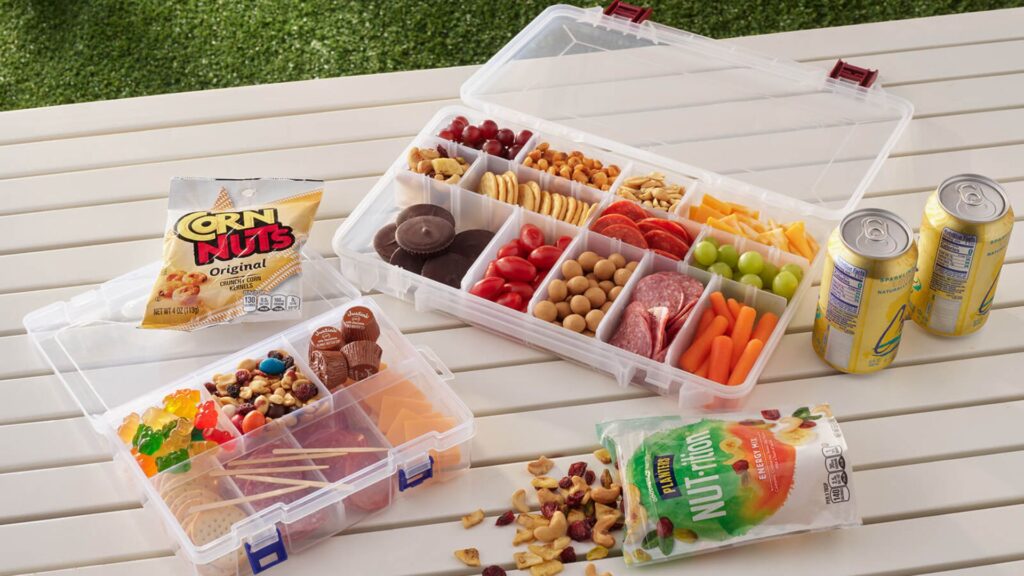
    Eating directly from a bag or container makes it harder to track how much you’ve eaten. Instead, portion out your snack into a small bowl or plate. This simple habit helps with portion control and prevents overeating.

    3. Drink Water Before Snacking

    Thirst is often mistaken for hunger. Before reaching for a snack, drink a glass of water and wait a few minutes. If you’re still hungry, then it’s time for a healthy snack.

    4. Practice Mindful Eating

    Mindful eating means being present while you eat. Avoid distractions like TV, scrolling on your phone, or working while snacking. Focus on the flavors, textures, and how full you feel. This approach helps prevent overeating and increases satisfaction.

    5. Stick to Scheduled Snack Times

    Random snacking throughout the day can lead to excessive calorie intake. Set specific times for snacks, such as mid-morning and afternoon, to regulate your eating habits and prevent unnecessary snacking.

    6. Use Smaller Plates and Bowls

    Using smaller dishes makes portions look larger, tricking your brain into feeling satisfied with less food. This simple trick can help control portion sizes and reduce overeating.

    7. Eat Snacks with Protein and Fiber

    Snacks high in protein and fiber keep you full for longer, reducing the urge to eat more. Examples include:

    • Almonds and an apple

    • Hummus with carrot sticks

    • Greek yogurt with berries

    • Whole-grain toast with peanut butter

    8. Keep Unhealthy Snacks Out of Sight

    If you keep chips, cookies, and candy within easy reach, you’re more likely to eat them mindlessly. Instead, store healthy snacks at eye level and place unhealthy options in less accessible places or avoid buying them altogether.

    9. Slow Down While Eating

    Eating too quickly can lead to overeating because your body doesn’t have enough time to signal fullness. Take small bites, chew slowly, and savor each bite. This allows your body to register fullness and prevents you from eating more than necessary.

    10. Manage Stress and Emotions

    Many people snack when stressed, bored, or emotional. Identify your triggers and find alternative ways to cope, such as going for a walk, journaling, or drinking herbal tea. If you’re truly hungry, choose a nutritious snack instead of reaching for junk food.

    11. Plan and Prepare Healthy Snacks in Advance

    Having healthy snacks ready makes it easier to make good choices. Prepare fruit, nuts, boiled eggs, or veggie sticks ahead of time, so you’re less likely to grab unhealthy snacks out of convenience.

    12. Listen to Your Body’s Hunger Cues

    Learn the difference between true hunger and cravings. If you’re truly hungry, a healthy snack will satisfy you. If you’re craving something specific, it might be boredom or emotional eating.

    Conclusion

    Avoiding overeating while snacking is about making mindful choices, controlling portions, and choosing nutrient-dense foods. By practicing these strategies, you can enjoy snacks without guilt and maintain a balanced diet.

  • Savory vs. Sweet: Best Healthy Snack Options

    Savory vs. Sweet: Best Healthy Snack Options

    Snacking can be a great way to fuel your body between meals, but choosing the right snack matters. Some people crave salty, savory treats, while others prefer something sweet. The good news is that there are plenty of healthy options for both preferences. Whether you’re looking for a protein-packed snack or a naturally sweet indulgence, this guide will help you choose the best healthy snacks.

    Savory vs. Sweet: Best Healthy Snack Options

    Why Healthy Snacking Matters

    Healthy snacks help maintain energy levels, curb hunger, and prevent overeating at mealtimes. Instead of reaching for processed foods high in sugar and unhealthy fats, opt for nutrient-dense choices that support your overall well-being.

    Best Healthy Savory Snacks

    1. Hummus with Veggies

    Hummus is a protein-rich dip made from chickpeas. Pair it with carrots, cucumber slices, bell peppers, or celery for a satisfying and fiber-packed snack.

    2. Hard-Boiled Eggs

    Eggs are an excellent source of protein and healthy fats. They keep you full and provide essential nutrients like B vitamins and choline.

    3. Roasted Chickpeas

    Crunchy and flavorful, roasted chickpeas are packed with protein and fiber. Season them with paprika, garlic powder, or chili flakes for an extra kick.

    4. Avocado Toast

    Whole-grain toast with mashed avocado is rich in healthy fats and fiber. Add a sprinkle of sea salt, black pepper, and chili flakes for extra flavor.

    5. Cheese and Whole-Grain Crackers

    Low-fat cheese paired with whole-grain crackers provides a good balance of protein, fiber, and healthy fats to keep hunger at bay.

    6. Nuts and Seeds

    Almonds, walnuts, cashews, sunflower seeds, and pumpkin seeds offer heart-healthy fats, protein, and essential minerals. Choose unsalted versions for a healthier option.

    7. Greek Yogurt with Herbs

    Instead of a sweet yogurt, mix plain Greek yogurt with garlic, lemon juice, and dill for a savory, protein-rich dip. Enjoy it with raw veggies or whole-grain pita.

    8. Popcorn with Olive Oil

    Air-popped popcorn drizzled with olive oil and sprinkled with sea salt makes for a light yet crunchy snack full of fiber.

    9. Tuna Salad Lettuce Wraps

    Mix canned tuna with Greek yogurt or avocado instead of mayo. Wrap it in lettuce leaves for a refreshing, protein-packed snack.

    10. Cottage Cheese with Cherry Tomatoes

    Cottage cheese is high in protein and pairs well with cherry tomatoes and a drizzle of olive oil for a balanced and delicious snack.

    Best Healthy Sweet Snacks

    1. Fresh Fruit

    Apples, bananas, oranges, berries, and grapes provide natural sweetness, fiber, and vitamins. Pair with nut butter for extra protein.

    2. Dark Chocolate with Almonds

    Dark chocolate (70% cocoa or higher) contains antioxidants and, when paired with almonds, offers a healthy mix of fats and protein.

    3. Greek Yogurt with Honey and Berries

    Greek yogurt is high in protein, and adding honey and berries enhances the sweetness naturally while providing antioxidants.

    4. Smoothies

    Blend banana, spinach, almond milk, and protein powder for a delicious, nutrient-packed smoothie that satisfies sweet cravings.

    5. Oatmeal with Cinnamon and Nuts

    Oatmeal is rich in fiber and makes for a filling snack. Add cinnamon, walnuts, and a drizzle of honey for extra sweetness.

    6. Dried Fruits

    Unsweetened dried mango, apricots, cranberries, or dates are naturally sweet alternatives to candy.

    7. Chia Pudding

    Mix chia seeds with almond milk and a touch of honey, then let it sit overnight for a creamy and nutritious pudding.

    8. Rice Cakes with Peanut Butter and Banana

    Rice cakes are a light base for peanut butter and banana slices, creating a satisfying combination of sweetness and protein.

    9. Homemade Energy Bites

    Blend oats, peanut butter, flaxseeds, and dark chocolate chips into small bites for a nutrient-dense snack.

    10. Frozen Grapes or Banana Slices

    For a refreshing treat, freeze grapes or banana slices. They provide natural sweetness and a cool, satisfying texture.

    Conclusion

    Whether you prefer savory or sweet snacks, making healthy choices is easy with the right options. Savory snacks provide protein and healthy fats, while sweet snacks offer natural sugars and fiber. By choosing whole, nutrient-dense foods, you can satisfy your cravings without compromising your health.

  • Healthy Snacks for Road Trips and Travel

    Healthy Snacks for Road Trips and Travel

    When you’re on the road, it’s easy to reach for processed snacks that are high in sugar and unhealthy fats. However, with a little planning, you can pack healthy snacks that keep you energized and satisfied throughout your journey. Whether you’re traveling by car, bus, or plane, these nutritious options will help you stay on track with your health goals.

    Healthy Snacks for Road Trips and Travel

    Why Choose Healthy Travel Snacks?

    • Sustained Energy – Nutrient-dense snacks help prevent energy crashes.

    • Better Digestion – Avoid bloating and discomfort by choosing whole foods.

    • Cost-Effective – Bringing your snacks saves money and helps you avoid overpriced, unhealthy options at gas stations and airports.

    Best Healthy Snacks for Travel

    1. Fresh Fruits

    Fruits like apples, bananas, oranges, and grapes are easy to carry and are packed with vitamins and fiber. They provide natural sweetness and hydration.

    2. Nuts and Seeds

    Almonds, walnuts, cashews, sunflower seeds, and pumpkin seeds are excellent sources of healthy fats and protein. Choose unsalted varieties for a healthier option.

    3. Dried Fruits

    Dried mangoes, apricots, cranberries, and raisins are great alternatives to candy. Look for unsweetened versions to avoid added sugars.

    4. Trail Mix

    Make your mix with nuts, seeds, dried fruit, and a small amount of dark chocolate for a balanced snack that satisfies sweet and salty cravings.

    5. Granola or Energy Bars

    Choose bars made with natural ingredients like oats, nuts, and dried fruit. Avoid bars with artificial additives or excessive sugar.

    6. Whole Grain Crackers

    Pair whole-grain crackers with peanut butter, hummus, or cheese for a satisfying combination of protein and fiber.

    7. Veggies with Hummus

    Carrot sticks, celery, cucumber slices, and bell pepper strips paired with hummus make for a crunchy and nutritious snack.

    8. Greek Yogurt

    Greek yogurt is high in protein and probiotics. Opt for single-serving, unsweetened varieties, and add fresh fruit or nuts for extra flavor.

    9. Hard-Boiled Eggs

    A great source of protein and healthy fats, hard-boiled eggs keep you full for longer. Keep them in a cooler if you’re on a long road trip.

    10. Popcorn

    Air-popped popcorn is a low-calorie snack that provides fiber and keeps you satisfied without excess calories or unhealthy oils.

    11. Rice Cakes with Nut Butter

    Rice cakes are light and easy to pack. Spread almond or peanut butter on top for a delicious and filling snack.

    12. Cheese Slices or String Cheese

    Cheese is rich in protein and calcium. Choose low-fat or portion-controlled servings for a balanced snack.

    13. Roasted Chickpeas

    Crunchy and full of protein, roasted chickpeas make a great alternative to chips. They provide fiber and essential nutrients.

    14. Dark Chocolate

    For a sweet treat, dark chocolate (70% cocoa or higher) is a healthier choice than milk chocolate. It contains antioxidants and helps curb sugar cravings.

    15. Smoothies

    If you have a travel blender, make a smoothie with fruits, leafy greens, and plant-based protein for a nutrient-packed drink.

    Tips for Packing Healthy Snacks

    • Use resealable containers to keep snacks fresh and prevent spills.

    • Bring a cooler for perishable items like yogurt, cheese, and eggs.

    • Stay hydrated by drinking plenty of water and avoiding sugary drinks.

    • Plan portion sizes to avoid overeating and maintain a balanced diet.

    Conclusion

    Healthy snacking while traveling is possible with a little preparation. By choosing whole, nutrient-dense foods, you can stay energized, avoid unhealthy temptations, and enjoy your journey without guilt.