Category: Keto Diet

  • The Pros and Cons of Long-Term Keto Dieting

    The Pros and Cons of Long-Term Keto Dieting

    The keto diet is well-known for its ability to promote weight loss and improve metabolic health, but is it sustainable in the long run? While many people experience success with keto, maintaining a very low-carb, high-fat diet for months or years comes with both benefits and potential risks.

    If you’re considering sticking with keto long-term, here’s what you need to know about the pros and cons of extended ketogenic dieting.

    Pros of Long-Term Keto Dieting

    1. Sustained Weight Loss and Fat Burning

    One of the primary reasons people adopt keto is for weight loss. By restricting carbohydrates, your body shifts into ketosis, where it burns fat for fuel instead of glucose. Many individuals find that this results in steady, long-term fat loss without extreme calorie counting.

    2. Improved Blood Sugar Control

    Keto can be highly beneficial for individuals with type 2 diabetes or insulin resistance. By minimizing carbohydrate intake, blood sugar levels remain stable, reducing insulin spikes and decreasing the risk of metabolic disorders.

    3. Enhanced Mental Clarity and Focus

    Many long-term keto followers report improved brain function, including:

    • Better concentration and memory

    • Fewer brain fog episodes

    • Increased mental energy

    This is because ketones provide a more stable and efficient fuel source for the brain compared to glucose.

    4. Reduced Inflammation

    A high-carb diet can contribute to chronic inflammation, which is linked to many diseases, including arthritis and heart disease. Since keto eliminates most processed foods and sugar, it can help reduce inflammation and promote overall health.

    5. Increased Energy Levels

    Once fully adapted, many people on keto experience steady energy throughout the day, without the crashes associated with high-carb diets. This is especially beneficial for athletes and active individuals looking for consistent endurance.

    6. Appetite Control and Reduced Cravings

    The combination of healthy fats and proteins helps keep you full for longer, reducing the urge to snack. This makes it easier to stick to healthy eating habits and avoid overeating.

    The Pros and Cons of Long-Term Keto Dieting
    The Pros and Cons of Long-Term Keto Dieting

    Cons of Long-Term Keto Dieting

    1. Nutrient Deficiencies

    Eliminating entire food groups, such as fruits, grains, and some vegetables, can lead to deficiencies in fiber, vitamins, and minerals, including:

    • Vitamin C (found in many fruits)

    • Magnesium and potassium (found in starchy vegetables and legumes)

    • Fiber (important for digestion and gut health)

    2. Digestive Issues

    Some people experience constipation or bloating due to the low fiber intake on keto. To combat this, it’s important to consume fiber-rich keto foods, such as:

    • Leafy greens

    • Avocados

    • Chia and flax seeds

    3. Potential Heart Health Concerns

    While keto has been shown to improve cholesterol profiles for many people, a high intake of saturated fats from sources like butter, cheese, and red meat can lead to increased LDL (bad) cholesterol in some individuals. Regular cholesterol monitoring is advised for long-term keto dieters.

    4. Social and Lifestyle Challenges

    Keto can be difficult to maintain in social situations, such as:

    • Dining out at restaurants

    • Attending family gatherings or parties

    • Traveling and finding keto-friendly meals

    Many long-term keto followers must plan their meals carefully to stay on track without feeling restricted.

    5. Possible Hormonal Imbalances

    For some individuals, prolonged keto can affect hormone levels, especially in women. Extreme carb restriction may lead to:

    • Irregular menstrual cycles

    • Increased cortisol (stress hormone)

    • Potential thyroid issues

    This varies by person, so women on long-term keto should monitor their hormonal health.

    6. Risk of “Keto Fatigue”

    While many thrive on long-term keto, others experience burnout after extended carb restriction. Some common signs include:

    • Reduced exercise performance

    • Increased cravings for carbs

    • Feeling tired or mentally sluggish

    For some, cycling in and out of keto (such as with a targeted or cyclical ketogenic diet) can help maintain the benefits while reducing fatigue.


    Is Long-Term Keto Right for You?

    The keto diet can be an effective long-term eating plan for many people, but it’s essential to listen to your body and monitor your health markers. If you thrive on low-carb eating and enjoy its benefits, it may be a sustainable option. However, if you experience negative side effects, consider adjusting your approach, such as incorporating more low-glycemic carbs or trying a more balanced diet.

    Final Thoughts

    Like any diet, keto is not one-size-fits-all. While it offers many metabolic and weight loss benefits, long-term keto dieting can also come with challenges. The key to success is balance, variety, and proper nutrient intake. Always consult with a nutritionist or healthcare professional before committing to keto for the long haul.

  • How to Handle Social Situations and Dining Out on Keto

    How to Handle Social Situations and Dining Out on Keto

    Following a keto diet can be easy when you’re in control of your meals, but what happens when you’re invited to a party, dinner, or social gathering? Navigating restaurants and social events while sticking to low-carb eating can be tricky, but with the right strategies, you can stay on track without feeling left out.

    Here’s how to handle social situations and dining out while maintaining your keto lifestyle.

    1. Plan Ahead Before Dining Out

    Before heading to a restaurant, take a few minutes to:

    • Check the menu online – Many restaurants provide nutritional information and low-carb options.

    • Call ahead – Ask about modifications like substituting fries for veggies or removing bread from dishes.

    • Decide on your meal – Choosing beforehand helps avoid impulsive, carb-heavy choices.

    2. Choose Keto-Friendly Restaurants

    Some places are more keto-friendly than others. Ideal options include:

    • Steakhouses – Opt for a grilled steak, chicken, or fish with a side of vegetables.

    • Seafood restaurants – Enjoy grilled fish, shrimp, or oysters without the breading.

    • Burger joints – Order a lettuce-wrapped burger and skip the fries.

    • Mexican restaurants – Go for fajitas without tortillas or a taco salad with no chips.

    Avoid places that rely heavily on pasta, rice, or bread-based dishes unless you can modify them.

    3. Modify Your Order to Stay Keto

    Most restaurants allow you to customize your meal. Here are some easy modifications:

    • Swap sides – Ask for extra vegetables instead of rice, pasta, or fries.

    • Skip the bread – Say no to bread baskets or request lettuce wraps.

    • Order sauces and dressings on the side – Many are high in sugar, so opt for butter, olive oil, or vinegar-based dressings.

    • Go for protein and fats – Focus on meat, cheese, avocado, and eggs to keep you full.


    4. Handle Social Gatherings with Confidence

    At parties, events, or family dinners, stick to these keto survival tips:

    • Eat beforehand – If you’re unsure of the food options, have a keto-friendly meal before you go.

    • Bring a keto dish – If it’s a potluck or gathering, contribute a low-carb dish so you have at least one safe option.

    • Stick to protein and fats – Look for meat, cheese, nuts, and veggie platters. Avoid sugary sauces and carb-heavy appetizers.

    • Drink wisely – If you’re having alcohol, choose low-carb options like dry wine, vodka, or whiskey without sugary mixers.

    5. Politely Decline High-Carb Foods

    Social pressure can make it difficult to say no to carb-loaded foods. If someone offers bread, pasta, or dessert, here’s how to handle it:

    • Be honest – Say you’re following a low-carb diet for health reasons.

    • Keep it simple – “No thanks, I’m full” works well without needing to explain.

    • Use humor – Lightly say, “I’m saving my carbs for later!”

    Most people will respect your choice, and if they don’t, just stay firm and move on.

    6. Find Keto-Friendly Drinks and Snacks

    If you’re at a bar or event where food is limited, you can still find keto-friendly choices:

    • Drinks – Stick to water, sparkling water, black coffee, or unsweetened tea. If drinking alcohol, go for dry wines or spirits with soda.

    • Snacks – Look for nuts, cheese, olives, or veggies instead of chips and crackers.

    7. Don’t Stress Over Occasional Slip-Ups

    If you accidentally eat something off-plan, don’t panic! One meal won’t ruin your keto progress. Just:

    • Get back on track with your next meal.

    • Stay hydrated and avoid sugar to prevent cravings.

    • Fast or exercise to help your body return to ketosis faster.

    Conclusion

    Dining out and handling social situations on keto is completely doable with the right mindset and preparation. By choosing the right restaurants, customizing your meals, and confidently navigating social pressure, you can enjoy outings without breaking ketosis. Stick to whole foods, healthy fats, and protein, and you’ll stay on track while still having fun.

  • How to Track Macros on a Keto Diet

    How to Track Macros on a Keto Diet

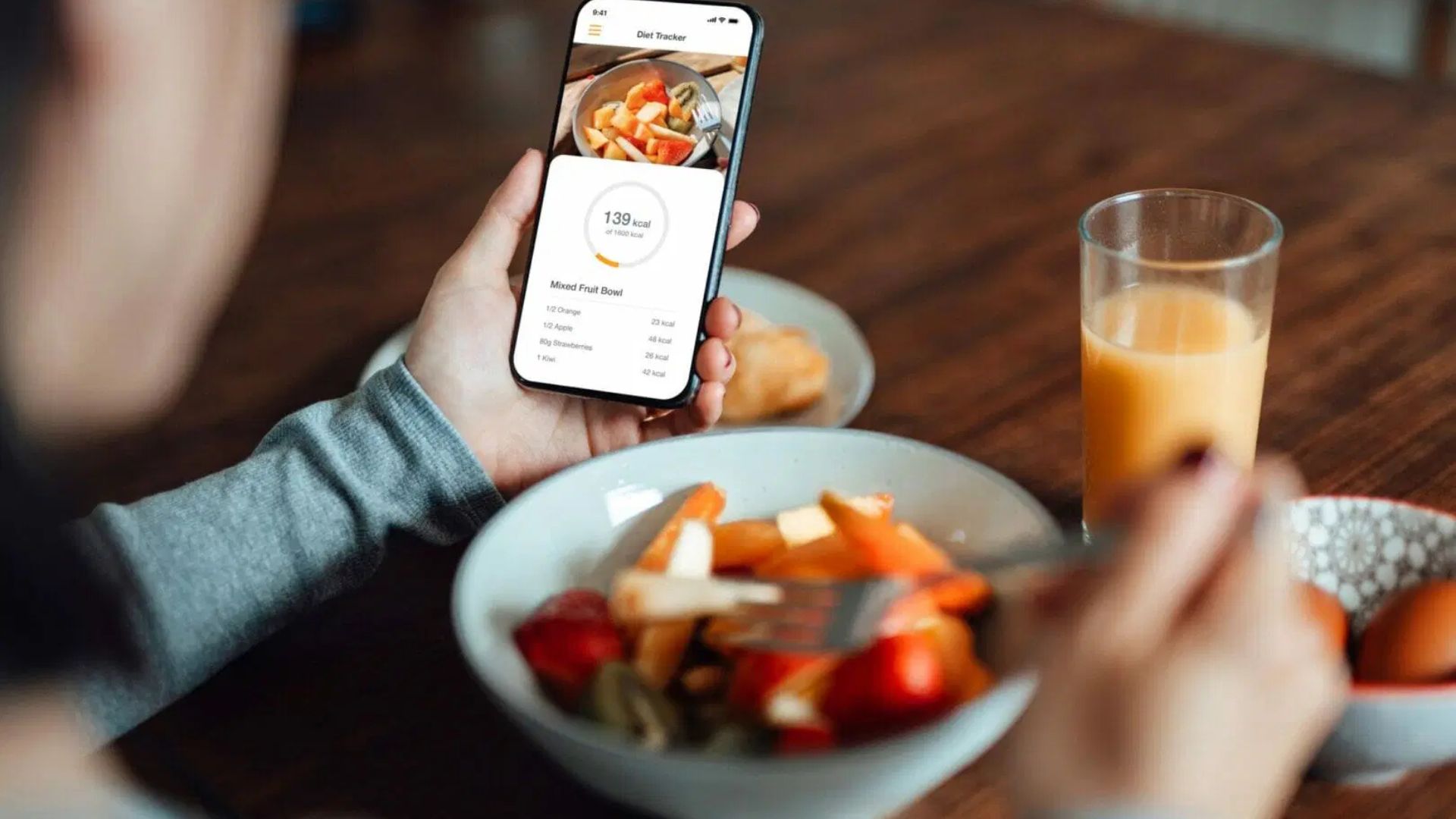
    Tracking macronutrients (macros) is essential for success on the keto diet. The ketogenic diet is a high-fat, moderate-protein, and low-carbohydrate eating plan that forces your body into a state of ketosis, where it burns fat for fuel instead of carbohydrates. To achieve and maintain ketosis, it’s important to keep track of your macronutrient intake, ensuring that you’re consuming the right ratios of fat, protein, and carbs. Here’s a comprehensive guide on how to track macros on a keto diet.

    How to Track Macros on a Keto Diet

    What Are Macros, and Why Are They Important?

    Macros, or macronutrients, are the three main nutrients your body needs in large amounts to function properly. These include:

    • Carbohydrates (Carbs): Your body’s primary energy source. On the keto diet, carbs are severely restricted to about 5–10% of your daily caloric intake.

    • Proteins: Essential for muscle repair and growth. Protein intake on keto is moderate, around 20–25% of your daily calories.

    • Fats: The body’s main source of fuel on keto. Fat intake is the highest on the diet, making up about 70–80% of your daily calories.

    The goal of tracking macros is to ensure that you stay within the correct proportions of fats, proteins, and carbs, which will help you maintain ketosis and effectively burn fat for energy.

    How to Calculate Your Macros on a Keto Diet

    1. Determine Your Caloric Needs To start tracking macros, you first need to know how many calories you should be eating each day. This can vary depending on your age, gender, weight, activity level, and fitness goals. You can use an online calculator to estimate your daily caloric needs.

    2. Set Your Macronutrient Ratios On the keto diet, the general macro ratio is:

      • 70–80% of calories from fat

      • 20–25% of calories from protein

      • 5–10% of calories from carbohydrates

    For example, if your daily caloric intake is 2,000 calories, you’d aim for the following:

    • Fat: 70–80% of 2,000 = 1,400–1,600 calories from fat

    • Protein: 20–25% of 2,000 = 400–500 calories from protein

    • Carbs: 5–10% of 2,000 = 100–200 calories from carbs

    1. Convert Calories into Grams After determining the calorie amounts, you’ll need to convert them into grams:

      • Fat: 1 gram of fat = 9 calories

      • Protein: 1 gram of protein = 4 calories

      • Carbohydrates: 1 gram of carbohydrate = 4 calories

    For a 2,000-calorie keto diet:

    • Fat: 1,400–1,600 calories ÷ 9 =

      155–177 grams of fat per day

      • Protein: 400–500 calories ÷ 4 = 100–125 grams of protein per day

      • Carbohydrates: 100–200 calories ÷ 4 = 25–50 grams of carbs per day

      Once you have the macro values in grams, you can start tracking your intake.

      Using Tools to Track Your Macros

      To simplify tracking your macros, you can use various apps and tools designed for this purpose. These apps allow you to log your meals and automatically calculate your macros based on the foods you enter. Some popular apps include:

      • MyFitnessPal: A well-known app that lets you track calories and macros. It has a huge database of foods, including many keto-friendly items.

      • Carb Manager: A specialized app for keto dieters, Carb Manager focuses on tracking carbs and offers keto-specific recipes and tips.

      • Cronometer: A nutrition tracker that offers detailed breakdowns of your macronutrient and micronutrient intake, which can be useful for more advanced tracking.

      By entering the foods you eat into one of these apps, you can easily see if you’re hitting your target macronutrient ratios.

      Tips for Tracking Macros Effectively

      1. Weigh and Measure Your Food
        To get an accurate reading of your macros, it’s important to measure your food. Using a kitchen scale is the most precise way to track your portions. Weighing your food can help you avoid overeating or underestimating how much you’re consuming.

      2. Read Food Labels Carefully
        Always check food labels for macro information, especially for processed foods. Look out for hidden sugars or carbs that might push you out of ketosis. Keep an eye on the serving size to ensure accurate tracking.

      3. Prioritize Whole Foods
        While tracking macros is important, focusing on whole, nutrient-dense foods will help you stay healthy. Choose fatty cuts of meat, healthy oils, avocados, nuts, seeds, and low-carb vegetables to meet your macronutrient targets.

      4. Be Consistent
        Consistency is key when tracking macros. Regularly logging your food intake will help you stay on track and make adjustments if needed. If you’re not seeing the desired results, tracking your food can help pinpoint what adjustments need to be made.

      5. Adjust as Needed
        Your macro needs may change over time, especially if your weight, activity level, or goals shift. It’s essential to re-evaluate your targets periodically and adjust your macros to reflect your current needs.

      How to Handle Keto-Friendly Foods

      Some foods can be tricky when tracking macros on a keto diet. For instance, nuts and seeds are high in fat but also contain protein and carbs, so it’s important to account for all macros when incorporating them into your meals. Similarly, while some keto-friendly snacks may seem low in carbs, they could be higher in protein or fat than you expect.

      In general, keto-friendly foods like fatty meats, high-fat dairy, avocado, and olive oil are easier to track because they contain mostly fat. Be mindful of processed foods or hidden sugars in keto-friendly snacks like protein bars, which can sometimes push you over your carb limit.

      Conclusion

      Tracking macros is an essential part of the keto diet. By calculating your daily caloric needs, setting your macro ratios, and using tools to monitor your intake, you can stay on track with your keto journey and maintain ketosis. Consistency, attention to detail, and planning will help you achieve your goals and enjoy the benefits of a low-carb, high-fat diet. With the right approach, tracking macros on a keto diet can be easy and effective in helping you achieve optimal health and wellness.

  • Best Keto-Friendly Desserts That Taste Amazing

    Best Keto-Friendly Desserts That Taste Amazing

    Following a keto diet doesn’t mean you have to give up desserts! While traditional sweets are packed with sugar and carbs, there are plenty of delicious keto-friendly desserts that allow you to satisfy your cravings without kicking yourself out of ketosis.

    From rich chocolate treats to creamy cheesecakes and fluffy mug cakes, here are some of the best low-carb desserts you can enjoy guilt-free.

    1. Keto Chocolate Mug Cake

    A chocolate mug cake is one of the easiest low-carb desserts you can make. It’s rich, fluffy, and only takes a few minutes in the microwave!

    Ingredients:

    • 2 tbsp almond flour

    • 1 tbsp unsweetened cocoa powder

    • 1 tbsp erythritol (or monk fruit sweetener)

    • ¼ tsp baking powder

    • 1 tbsp melted butter

    • 1 tbsp heavy cream

    • 1 egg

    • ½ tsp vanilla extract

    Instructions:

    1. Mix all ingredients in a mug until well combined.

    2. Microwave for 60–90 seconds until the cake rises.

    3. Let it cool slightly and enjoy with whipped cream or keto chocolate chips.

    2. Keto Cheesecake Bites

    Craving cheesecake? These bite-sized treats deliver all the creamy goodness of traditional cheesecake without the carbs.

    Ingredients:

    • 8 oz cream cheese (softened)

    • ¼ cup powdered erythritol

    • 1 tsp vanilla extract

    • ½ cup heavy whipping cream

    Instructions:

    1. Whisk all ingredients together until smooth.

    2. Scoop into mini muffin cups or molds.

    3. Freeze for 1–2 hours until firm.

    4. Enjoy as a quick keto dessert snack.

    3. Keto Peanut Butter Cookies

    These 3-ingredient cookies are simple, soft, and packed with healthy fats.

    Ingredients:

    • 1 cup natural peanut butter (no sugar added)

    • ½ cup erythritol or monk fruit sweetener

    • 1 egg

    Instructions:

    1. Preheat oven to 350°F (175°C).

    2. Mix all ingredients together.

    3. Roll into balls and press with a fork.

    4. Bake for 10–12 minutes until golden brown.

    Best Keto-Friendly Desserts That Taste Amazing
    Best Keto-Friendly Desserts That Taste Amazing

    4. Low-Carb Brownies

    If you love fudgy brownies, this keto-friendly version is perfect.

    Ingredients:

    • ½ cup almond flour

    • ¼ cup unsweetened cocoa powder

    • ½ cup butter (melted)

    • ½ cup erythritol

    • 2 eggs

    • 1 tsp vanilla extract

    • ½ tsp baking powder

    Instructions:

    1. Mix dry and wet ingredients separately, then combine.

    2. Pour into a greased baking dish.

    3. Bake at 350°F (175°C) for 20–25 minutes.

    5. Keto Ice Cream

    Traditional ice cream is loaded with sugar, but this homemade keto version is just as creamy and delicious.

    Ingredients:

    • 2 cups heavy cream

    • ½ cup unsweetened almond milk

    • ⅓ cup powdered erythritol

    • 1 tsp vanilla extract

    Instructions:

    1. Whisk all ingredients together.

    2. Pour into an ice cream maker or freeze for 3–4 hours, stirring every 30 minutes.

    Conclusion

    Being on keto doesn’t mean you have to skip dessert! With simple ingredient swaps, you can enjoy delicious low-carb, sugar-free desserts that won’t spike your blood sugar. Whether you’re craving chocolate, cheesecake, or cookies, these keto-friendly treats will satisfy your sweet tooth while keeping you in ketosis.

  • Keto Diet and Heart Health: What You Need to Know

    Keto Diet and Heart Health: What You Need to Know

    The ketogenic diet (keto) has gained popularity for its effectiveness in weight loss and blood sugar control, but how does it impact heart health? Since keto is a high-fat diet, concerns about cholesterol, blood pressure, and cardiovascular disease often arise. However, research suggests that when done correctly, keto may offer heart-protective benefits rather than harm.

    In this guide, we’ll explore the effects of keto on heart health, addressing its impact on cholesterol levels, inflammation, and overall cardiovascular risk.

    1. How the Keto Diet Affects Heart Health

    The keto diet involves consuming high amounts of healthy fats, moderate protein, and very few carbohydrates. This forces the body to use fat for fuel instead of glucose, a process called ketosis.

    Here’s how keto may influence heart health factors:

    ✅ Improves HDL (“Good”) Cholesterol – Keto often raises high-density lipoprotein (HDL), which helps remove bad cholesterol from the bloodstream.

    ✅ Lowers Triglycerides – A low-carb diet can significantly reduce triglyceride levels, a key risk factor for heart disease.

    ✅ May Improve Blood Pressure – Weight loss and lower insulin levels on keto can contribute to better blood pressure control.

    ✅ Reduces Inflammation – Chronic inflammation is a major driver of heart disease, and keto’s focus on healthy fats and low sugar can help combat it.

    🚫 Concerns About LDL (“Bad”) Cholesterol – Some people experience an increase in low-density lipoprotein (LDL), which can be concerning. However, the type of LDL matters—large, fluffy LDL particles (common on keto) are less harmful than small, dense LDL particles.

    2. Keto and Cholesterol: The Truth About Fats

    Since keto promotes high-fat intake, many worry about its effect on cholesterol and heart disease risk. The good news? Keto may improve cholesterol profiles rather than harm them.

    How Keto Affects Cholesterol Levels

    • Increases HDL (Good Cholesterol): Higher HDL is linked to a lower risk of heart disease.

    • Lowers Triglycerides: A common indicator of metabolic syndrome and heart risk.

    • LDL May Rise, But Not Always Negatively: Large, fluffy LDL particles (more common on keto) are less dangerous than small, dense LDL particles.

    How to Keep Keto Heart-Healthy

    To ensure keto benefits your heart:
    ✔ Choose healthy fats – Prioritize avocados, olive oil, nuts, and fatty fish over processed fats.
    ✔ Avoid trans fats – Stay away from fried foods and processed meats.
    ✔ Monitor cholesterol levels – Regular blood tests can help track progress.

    Keto Diet and Heart Health: What You Need to Know
    Keto Diet and Heart Health: What You Need to Know

    3. Keto and Blood Pressure: Can It Help Reduce Hypertension?

    High blood pressure (hypertension) is a major risk factor for heart disease. The keto diet may help reduce blood pressure through:

    ✅ Weight Loss: Shedding extra weight lowers blood pressure naturally.
    ✅ Lower Insulin Levels: Insulin resistance contributes to hypertension, and keto improves insulin sensitivity.
    ✅ Balanced Electrolytes: Keto can cause initial water loss, so replenishing sodium, magnesium, and potassium is essential for blood pressure stability.

    4. Keto and Inflammation: A Hidden Heart Health Benefit

    Chronic inflammation plays a key role in heart disease, strokes, and arterial damage. The keto diet’s low-carb, anti-inflammatory nature may reduce:

    ✔ Oxidative stress – Linked to artery damage and plaque buildup.
    ✔ C-reactive protein (CRP) levels – A key marker of inflammation that keto helps lower.
    ✔ Blood sugar fluctuations – Stable glucose levels reduce metabolic stress on the heart.

    5. Who Should Be Cautious About Keto and Heart Health?

    While keto can be heart-friendly, it’s not ideal for everyone. Some individuals should take extra precautions:

    🚫 People with genetic high cholesterol (Familial Hypercholesterolemia) – Keto may worsen lipid profiles.
    🚫 Those with existing heart disease – Consult a doctor before making drastic dietary changes.
    🚫 Individuals consuming unhealthy fats – Relying on processed meats, fried foods, or trans fats can be harmful.

    6. Best Keto Foods for Heart Health

    To make keto work for your heart, focus on these heart-healthy keto foods:

    🥑 Healthy Fats: Avocados, olive oil, coconut oil, nuts, seeds
    🐟 Fatty Fish: Salmon, mackerel, sardines, tuna
    🥦 Low-Carb Vegetables: Spinach, kale, broccoli, cauliflower
    🧀 Full-Fat Dairy: Greek yogurt, cheese, grass-fed butter
    🥚 Eggs: Rich in healthy fats and essential nutrients

    Foods to Limit:
    🚫 Processed meats (bacon, hot dogs, deli meats)
    🚫 Fried foods
    🚫 Excessive dairy if sensitive to saturated fats

    Conclusion

    The keto diet and heart health can go hand in hand when done correctly. By focusing on healthy fats, reducing processed foods, and monitoring cholesterol levels, keto may lower heart disease risks, improve cholesterol, and reduce inflammation.

    However, individuals with pre-existing heart conditions or genetic cholesterol issues should consult a doctor before starting keto. With the right approach, keto can support both weight loss and cardiovascular health.

  • Keto for Athletes: Can You Work Out on a Low-Carb Diet?

    Keto for Athletes: Can You Work Out on a Low-Carb Diet?

    The ketogenic diet (keto) is well-known for promoting weight loss and enhancing metabolic health, but can athletes perform at their best while following a low-carb eating plan? Traditional sports nutrition emphasizes carbohydrates as the primary energy source, which raises questions about how effective keto can be for endurance, strength, and high-intensity training.

    This guide explores whether athletes can work out on keto, its benefits and challenges, and the best ways to optimize exercise performance while following a low-carb lifestyle.

    1. How Keto Affects Athletic Performance

    The keto diet shifts the body’s energy metabolism from glucose (carbs) to fat and ketones. For athletes, this means:

    ✅ Greater Fat Utilization – The body becomes efficient at burning stored fat for energy.
    ✅ Reduced Glycogen Dependency – Less reliance on carbohydrates for fuel.
    ✅ Steady Energy Levels – Avoids blood sugar crashes during workouts.
    ✅ Enhanced Endurance – Ideal for long-distance and low-intensity exercises.

    However, high-intensity sports that rely on quick energy bursts (e.g., sprinting, weightlifting) may be more challenging on keto due to the lower availability of glycogen.

    2. Best Types of Exercise on a Keto Diet

    The effectiveness of keto for exercise depends on the type of workout:

    a. Endurance Training (Great for Keto!)

    • Ideal for: Running, cycling, swimming, hiking

    • Keto helps endurance athletes rely on fat stores for prolonged energy.

    • Studies show that fat-adapted athletes can perform at a high level without needing carb refueling.

    b. Strength Training (Can Work with Adjustments)

    • Ideal for: Weightlifting, bodybuilding, resistance training

    • Performance may initially decline due to reduced glycogen stores.

    • Some lifters follow a targeted keto approach (adding carbs around workouts) to boost strength.

    c. High-Intensity Workouts (May Require Adjustments)

    • Includes: Sprinting, HIIT, CrossFit, competitive sports

    • These workouts rely heavily on glycogen, which keto lacks.

    • Athletes often incorporate a cyclical keto diet (periodic carb refeeds) to maintain performance.

    Keto for Athletes: Can You Work Out on a Low-Carb Diet?
    Keto for Athletes: Can You Work Out on a Low-Carb Diet?

    3. How to Optimize Workouts on Keto

    If you want to train effectively on a keto diet, follow these strategies:

    a. Get Fully Fat-Adapted First

    • It takes 2-6 weeks for the body to switch to using fat efficiently.

    • During this phase, exercise intensity may drop, but endurance will improve.

    b. Increase Healthy Fats for Energy

    • Prioritize avocados, nuts, olive oil, coconut oil, and fatty fish to maintain energy levels.

    c. Use Electrolytes to Prevent Fatigue

    • Keto reduces water and electrolyte retention, so replenish sodium, magnesium, and potassium to avoid cramps and fatigue.

    d. Consider a Targeted Keto Diet (TKD)

    • Add 20-50g of carbs before or after workouts to fuel glycogen-demanding exercises.

    • Best for those doing weightlifting, sprinting, or HIIT training.

    e. Try a Cyclical Keto Diet (CKD) for Performance Boost

    • Refeed with carbs (100-150g) 1-2 times per week to restore glycogen stores.

    • Works well for athletes who need explosive power in sports or heavy lifting.

    f. Use Ketone Supplements for Quick Energy

    • Exogenous ketones or MCT oil can provide rapid fuel for workouts.

    4. Potential Challenges of Exercising on Keto

    While keto has many benefits, it also presents some challenges for athletes:

    🚫 Reduced Power Output – High-intensity efforts may feel harder without glycogen.
    🚫 Longer Adaptation Phase – The body takes time to switch from carbs to fat.
    🚫 Keto Flu Symptoms – Early symptoms like fatigue and dizziness can impact workouts.
    🚫 Limited Carb-Intensive Performance – Explosive movements may suffer without carb refueling.

    5. Who Should Consider Keto for Fitness?

    ✅ Endurance Athletes – Long-distance runners, cyclists, triathletes can thrive on keto.
    ✅ Fat-Loss Seekers – Those wanting to burn fat while preserving muscle.
    ✅ Low-Intensity Exercisers – Walking, yoga, light resistance training fits well with keto.
    ✅ Metabolic Health Focus – Athletes looking to improve insulin sensitivity and reduce inflammation.

    Who Might Struggle?
    🚫 High-intensity sports athletes (e.g., sprinters, CrossFitters) may need carb cycling.
    🚫 Competitive bodybuilders requiring maximum muscle pumps may struggle with low glycogen.

    Conclusion

    Yes, athletes can work out on keto, but performance depends on the type of exercise. Endurance athletes often thrive, while those in high-intensity sports may need strategic carb intake to maintain peak performance.

    To optimize training, ensure proper fat adaptation, consume electrolytes, and consider targeted or cyclical keto approaches. With the right adjustments, keto can be a powerful tool for fat loss, steady energy, and long-term health while still maintaining athletic performance.

  • The Pros and Cons of a Long-Term Keto Diet

    The Pros and Cons of a Long-Term Keto Diet

    The ketogenic (keto) diet has gained significant popularity over the past few years, praised for its potential to help with weight loss, improve mental clarity, and boost energy levels. The keto diet is a high-fat, low-carbohydrate eating plan designed to shift the body into a state of ketosis, where it burns fat for fuel instead of carbohydrates. While the keto diet can offer numerous benefits, long-term adherence to this eating plan raises some concerns. Let’s take a closer look at the pros and cons of following a long-term keto diet.

    The Pros and Cons of a Long-Term Keto Diet

    The Pros of a Long-Term Keto Diet

    Weight Loss and Fat Burning

    One of the most significant benefits of the keto diet is its potential to help with weight loss. By severely restricting carbohydrates and increasing fat intake, the body is forced to use fat for energy, leading to fat loss. Once in ketosis, the body becomes highly efficient at burning fat, making it easier to lose excess weight. Additionally, keto can help suppress appetite by regulating hunger hormones like ghrelin, helping people consume fewer calories overall.

    Improved Blood Sugar Control

    The keto diet has shown promise in improving insulin sensitivity and stabilizing blood sugar levels, especially for those with type 2 diabetes or metabolic syndrome. By cutting out high-carb foods, the diet helps prevent blood sugar spikes and crashes. This can be particularly beneficial for individuals trying to manage or prevent type 2 diabetes. Some research suggests that the keto diet may even reduce the need for medication in some diabetic patients under medical supervision.

    Enhanced Mental Clarity and Focus

    Many people report improved mental clarity and focus while following the keto diet. In ketosis, the brain uses ketones, produced from fat, as a more efficient source of energy than glucose. This can result in more consistent energy levels and improved cognitive function. Some individuals also experience reduced brain fog, better concentration, and fewer mood swings, which may enhance productivity and mental well-being.

    The Cons of a Long-Term Keto Diet

    Nutrient Deficiencies

    A long-term keto diet can lead to nutrient deficiencies if not carefully planned. By eliminating entire food groups like fruits, grains, and legumes, individuals may not get enough essential vitamins and minerals, such as fiber, vitamin C, and potassium. Without a well-rounded diet, this can lead to digestive issues, weakness, fatigue, and other health problems. Supplementation and a variety of nutrient-dense keto-friendly foods are necessary to mitigate this risk.

    Difficulty with Social Eating

    The restrictive nature of the keto diet can make it challenging to maintain a social life or dine out. Most social gatherings and restaurants offer carb-heavy options, making it harder to stay on track. Over time, this can lead to feelings of isolation or frustration. Additionally, many people miss their favorite high-carb foods, such as pasta, bread, and desserts, which can make long-term adherence difficult.

    Potential for Increased Cholesterol Levels

    While some studies show improvements in cholesterol levels with the keto diet, other research indicates that high-fat diets may raise LDL (bad) cholesterol levels in some individuals. This can increase the risk of heart disease if cholesterol levels are not properly monitored. It’s important to focus on healthy fats (such as those from olive oil, avocado, and fatty fish) and regularly check cholesterol levels when on a long-term keto diet.

    Digestive Issues

    The lack of fiber from fruits, vegetables, and whole grains can lead to digestive issues, such as constipation. Since fiber plays a crucial role in regulating bowel movements, cutting it out can disrupt digestion. To mitigate this, it’s important to consume keto-friendly, high-fiber foods like leafy greens, chia seeds, and avocados to maintain digestive health.

    Conclusion

    The long-term keto diet offers several potential benefits, including weight loss, improved mental clarity, and better blood sugar control. However, it also has its drawbacks, including the risk of nutrient deficiencies, digestive issues, and social challenges. As with any diet, it’s essential to approach the keto lifestyle with balance and ensure that you are consuming a variety of nutrient-dense, keto-friendly foods. For individuals considering the keto diet for the long term, it’s advisable to consult with a healthcare provider or registered dietitian to ensure that it’s sustainable and beneficial for overall health.

  • How to Incorporate Intermittent Fasting with the Keto Diet

    Intermittent fasting (IF) and the ketogenic diet are two powerful strategies for weight loss and improved health. When combined, they can enhance fat-burning, boost energy levels, and simplify your eating routine. This guide explains how to effectively incorporate intermittent fasting into a keto lifestyle, along with the benefits, fasting schedules, and practical tips to ensure success.

    1. Why Combine Intermittent Fasting with Keto?

    Both intermittent fasting and keto promote a state of ketosis, where the body burns fat for fuel instead of carbohydrates. Here’s why they work so well together:

    • Faster Fat Loss – IF extends ketosis, increasing fat-burning potential.

    • Improved Insulin Sensitivity – Both methods help lower blood sugar and stabilize insulin levels.

    • Increased Energy and Mental Clarity – Ketones provide a steady energy source, reducing brain fog and fatigue.

    • Simplified Eating Routine – Fewer meals mean less meal prep and planning.

    • Reduced Hunger and Cravings – Keto naturally suppresses appetite, making fasting easier.

    By combining these two methods, you maximize the benefits of each while making fat loss and energy maintenance more efficient.

    2. Choosing the Right Fasting Schedule

    Intermittent fasting offers flexibility, and the best fasting schedule depends on your lifestyle and goals. Here are the most common methods:

    a. 16:8 Method (Most Popular for Keto Beginners)

    • Fast for 16 hours and eat within an 8-hour window (e.g., noon to 8 p.m.).

    • Allows for two meals and possibly a snack.

    • Works well for people transitioning to IF while on keto.

    b. 18:6 or 20:4 (More Aggressive Fat Loss)

    • Fast for 18 to 20 hours and eat within a 4-6 hour window.

    • Typically includes one or two meals.

    • Ideal for those adapted to keto and comfortable with fasting.

    c. One Meal a Day (OMAD) (Advanced Method)

    • Fast for 23 hours, eating all daily calories in one meal.

    • Great for those who prefer a simple, no-fuss eating schedule.

    • Works best for experienced keto dieters.

    Choosing the right fasting method depends on your comfort level and ability to sustain fasting long-term. Beginners should start with 16:8 and gradually increase fasting duration if desired.

    How to Incorporate Intermittent Fasting with the Keto Diet
    How to Incorporate Intermittent Fasting with the Keto Diet

    3. How to Start Intermittent Fasting on Keto

    If you’re already following a keto diet, transitioning into intermittent fasting is easier. Here’s how to do it step by step:

    Step 1: Get Fully Fat-Adapted

    Before starting IF, allow your body 2-4 weeks to adjust to burning fat instead of carbs. Signs of fat adaptation include:

    • Reduced hunger and cravings

    • Steady energy levels

    • No carb withdrawal symptoms

    Step 2: Start with a 12-Hour Fast

    If you’re new to fasting, start with a 12-hour fast (e.g., 8 p.m. to 8 a.m.) and gradually extend it to 14 or 16 hours.

    Step 3: Gradually Extend Fasting Windows

    Once comfortable, extend fasting periods based on your schedule and goals (e.g., 16:8, 18:6).

    Step 4: Listen to Your Body

    Fatigue, dizziness, or headaches can signal electrolyte imbalances. Stay hydrated and increase sodium, magnesium, and potassium intake.

    4. What to Eat After a Fast (Breaking Your Fast the Right Way)

    Breaking a fast properly is important to avoid digestive discomfort and blood sugar spikes. Here’s how:

    ✅ Start with a Light Meal – A small portion of bone broth, eggs, or avocado is a great way to ease digestion.
    ✅ Include Healthy Fats & Proteins – Opt for grass-fed meats, wild-caught fish, nuts, seeds, and non-starchy vegetables.
    ✅ Avoid Processed Carbs & Sugars – These can spike insulin and pull you out of ketosis.

    Example Post-Fast Meal:

    • Scrambled eggs with avocado and spinach

    • Grilled salmon with steamed broccoli and olive oil

    • Bone broth with shredded chicken and coconut oil

    5. Tips for Success with Keto and Fasting

    🔹 Stay Hydrated – Drink plenty of water, herbal tea, or black coffee to prevent dehydration.
    🔹 Boost Electrolytes – Add pink Himalayan salt to water or consume bone broth to replenish lost sodium.
    🔹 Eat Enough Fat – Healthy fats like olive oil, butter, and MCT oil keep you full longer.
    🔹 Exercise Smartly – Light workouts like walking, yoga, or strength training help maintain muscle mass.
    🔹 Be Patient – It takes time for your body to adapt. Stick with it and track progress.

    6. Who Should Avoid Intermittent Fasting on Keto?

    While IF and keto are generally safe, some people should avoid fasting or consult a doctor before starting:

    🚫 Pregnant or breastfeeding women (increased calorie needs)
    🚫 People with a history of eating disorders
    🚫 Those with medical conditions like diabetes or adrenal fatigue
    🚫 Anyone on medication that requires food intake

    If you experience extreme fatigue, dizziness, or other severe side effects, adjust your approach or consult a healthcare provider.

    Conclusion

    Combining intermittent fasting with keto is a highly effective way to accelerate fat loss, boost energy, and improve overall health. By choosing the right fasting schedule, consuming nutrient-dense keto meals, and maintaining proper hydration, you can optimize your results.

    Start slowly, listen to your body, and make adjustments as needed. With consistency, fasting and keto can become a powerful lifestyle change that enhances your well-being.

  • Keto vs. Other Low-Carb Diets: What’s the Difference?

    Keto vs. Other Low-Carb Diets: What’s the Difference?

    Adopting a keto diet can sometimes feel like a costly endeavor, especially when many keto-friendly foods like avocados, grass-fed meats, and specialty products are priced higher than their carb-laden counterparts. However, eating keto on a budget is entirely possible with some smart planning, shopping strategies, and a focus on simple, wholesome ingredients. Here’s how to stick to your keto goals without draining your wallet.

    1. Plan Your Meals and Make a Shopping List

    The first step to saving money on keto is to plan your meals ahead of time. Creating a weekly menu based on keto-friendly, low-cost ingredients allows you to shop with purpose and avoid impulse buys.

    • Start with simple meals that use inexpensive ingredients such as eggs, canned tuna, chicken thighs, or frozen vegetables.

    • Stick to your list to minimize the chance of buying unnecessary items that could add up.

    • Look for meal ideas that can be prepared in batches, like casseroles, stir-fries, or soups, which can be easily portioned for multiple meals.

    By planning meals in advance, you’ll avoid eating out or relying on expensive pre-made keto products.

    2. Focus on Affordable Protein Sources

    Protein can often be one of the most expensive components of the keto diet, but you can still get a good amount of protein without spending a fortune. Consider these budget-friendly protein options:

    • Eggs: A keto staple, eggs are not only affordable but also versatile. They can be used in a variety of dishes, from scrambled eggs and omelets to keto-friendly baked goods.

    • Ground Meat: Ground beef, turkey, or chicken can be a cost-effective protein source and can be used in many keto-friendly recipes such as casseroles, burgers, or meatballs.

    • Canned Fish: Tuna, salmon, and sardines are excellent protein-packed options that are both affordable and shelf-stable.

    • Chicken Thighs: These are cheaper than chicken breasts and can be baked, grilled, or cooked in a slow cooker for an easy meal.

    • Tofu or Tempeh (for vegetarians): Both are excellent plant-based protein options that are affordable and low in carbs.

    3. Buy in Bulk

    Buying items in bulk can help you save significantly on everyday keto staples. Look for stores that offer bulk purchasing options, especially for things like:

    • Nuts and Seeds: Almonds, walnuts, and chia seeds can be bought in bulk and stored for long periods.

    • Cheese: Cheese is a keto staple, and buying in larger quantities can help lower the cost per serving.

    • Frozen Vegetables: Frozen vegetables tend to be cheaper than fresh ones and last much longer, making them ideal for keto meal prep.

    • Meat: Consider buying larger cuts of meat, like whole chickens or larger roasts, and freeze them in portions to use over time.

    • Oils: Coconut oil and olive oil are essential in a keto diet, and buying in bulk can save you money in the long run.

    4. Shop for Seasonal and Local Produce

    While fresh vegetables are essential for a keto diet, some can be quite expensive, particularly when bought out of season. To keep costs low:

    • Buy seasonal produce like cabbage, zucchini, cauliflower, and spinach. These vegetables are often cheaper when they are in season.

    • Farmers’ markets can be a good place to find fresh, local produce at lower prices, especially if you buy in bulk.

    • Frozen vegetables are a great alternative, as they are often just as nutritious as fresh and cost less.

    Keto vs. Other Low-Carb Diets: What’s the Difference?
    Keto vs. Other Low-Carb Diets: What’s the Difference?

    5. Embrace Simple and Whole Foods

    While keto-specific products like protein powders, keto bars, and snacks can be convenient, they are often overpriced. Instead, focus on whole foods that provide the same nutrients and are far cheaper. Some examples include:

    • Cabbage: A great substitute for higher-carb vegetables, cabbage can be used in stir-fries, soups, and salads.

    • Cauliflower: Cauliflower is a low-carb, versatile veggie that can replace mashed potatoes, pizza crust, and even rice.

    • Zucchini: Use zucchini as a base for noodles, chips, or as a side dish.

    • Canned Coconut Milk: This is a great option for creamy sauces and curries and is usually more affordable than buying fresh coconut products.

    By focusing on affordable whole foods, you can build a solid foundation for your keto meals without having to spend a lot.

    6. Look for Sales and Discounts

    Taking advantage of sales and discounts can make a huge difference in your grocery bill. Here are a few strategies to help you save:

    • Buy meat in bulk when it’s on sale and freeze it for later use.

    • Couponing: Search for discounts, coupons, or loyalty rewards that can help reduce your grocery expenses.

    • Generic Brands: Many grocery stores offer generic versions of products like coconut oil, cheese, or almond flour, which are often much cheaper than branded versions but just as good.

    7. Cut Out the Snacks and Focus on Meals

    Snacks can be a big budget buster, especially keto-friendly packaged snacks. Instead of spending money on expensive pre-packaged keto snacks, try to focus on meal-focused eating and incorporate snacks that are simple and inexpensive to prepare. For example:

    • Cheese slices or cubes can be a great snack.

    • Hard-boiled eggs are simple to prepare and pack a nutritional punch.

    • Raw veggies like cucumber or celery with homemade dip are inexpensive and healthy.

    Conclusion

    Eating keto on a budget is all about making smart choices and focusing on affordable, nutrient-dense foods. By planning your meals, buying in bulk, choosing budget-friendly protein sources, and focusing on whole foods, you can maintain a successful keto diet without sacrificing quality. With these tips, you can enjoy delicious, nutritious keto meals without breaking the bank.

  • How to Eat Keto on a Budget Without Sacrificing Quality

    How to Eat Keto on a Budget Without Sacrificing Quality

    Adopting a keto diet can sometimes feel like a costly endeavor, especially when many keto-friendly foods like avocados, grass-fed meats, and specialty products are priced higher than their carb-laden counterparts. However, eating keto on a budget is entirely possible with some smart planning, shopping strategies, and a focus on simple, wholesome ingredients. Here’s how to stick to your keto goals without draining your wallet.

    1. Plan Your Meals and Make a Shopping List

    The first step to saving money on keto is to plan your meals ahead of time. Creating a weekly menu based on keto-friendly, low-cost ingredients allows you to shop with purpose and avoid impulse buys.

    • Start with simple meals that use inexpensive ingredients such as eggs, canned tuna, chicken thighs, or frozen vegetables.

    • Stick to your list to minimize the chance of buying unnecessary items that could add up.

    • Look for meal ideas that can be prepared in batches, like casseroles, stir-fries, or soups, which can be easily portioned for multiple meals.

    By planning meals in advance, you’ll avoid eating out or relying on expensive pre-made keto products.

    2. Focus on Affordable Protein Sources

    Protein can often be one of the most expensive components of the keto diet, but you can still get a good amount of protein without spending a fortune. Consider these budget-friendly protein options:

    • Eggs: A keto staple, eggs are not only affordable but also versatile. They can be used in a variety of dishes, from scrambled eggs and omelets to keto-friendly baked goods.

    • Ground Meat: Ground beef, turkey, or chicken can be a cost-effective protein source and can be used in many keto-friendly recipes such as casseroles, burgers, or meatballs.

    • Canned Fish: Tuna, salmon, and sardines are excellent protein-packed options that are both affordable and shelf-stable.

    • Chicken Thighs: These are cheaper than chicken breasts and can be baked, grilled, or cooked in a slow cooker for an easy meal.

    • Tofu or Tempeh (for vegetarians): Both are excellent plant-based protein options that are affordable and low in carbs.

    3. Buy in Bulk

    Buying items in bulk can help you save significantly on everyday keto staples. Look for stores that offer bulk purchasing options, especially for things like:

    • Nuts and Seeds: Almonds, walnuts, and chia seeds can be bought in bulk and stored for long periods.

    • Cheese: Cheese is a keto staple, and buying in larger quantities can help lower the cost per serving.

    • Frozen Vegetables: Frozen vegetables tend to be cheaper than fresh ones and last much longer, making them ideal for keto meal prep.

    • Meat: Consider buying larger cuts of meat, like whole chickens or larger roasts, and freeze them in portions to use over time.

    • Oils: Coconut oil and olive oil are essential in a keto diet, and buying in bulk can save you money in the long run.

    How to Eat Keto on a Budget Without Sacrificing Quality
    How to Eat Keto on a Budget Without Sacrificing Quality

    4. Shop for Seasonal and Local Produce

    While fresh vegetables are essential for a keto diet, some can be quite expensive, particularly when bought out of season. To keep costs low:

    • Buy seasonal produce like cabbage, zucchini, cauliflower, and spinach. These vegetables are often cheaper when they are in season.

    • Farmers’ markets can be a good place to find fresh, local produce at lower prices, especially if you buy in bulk.

    • Frozen vegetables are a great alternative, as they are often just as nutritious as fresh and cost less.

    5. Embrace Simple and Whole Foods

    While keto-specific products like protein powders, keto bars, and snacks can be convenient, they are often overpriced. Instead, focus on whole foods that provide the same nutrients and are far cheaper. Some examples include:

    • Cabbage: A great substitute for higher-carb vegetables, cabbage can be used in stir-fries, soups, and salads.

    • Cauliflower: Cauliflower is a low-carb, versatile veggie that can replace mashed potatoes, pizza crust, and even rice.

    • Zucchini: Use zucchini as a base for noodles, chips, or as a side dish.

    • Canned Coconut Milk: This is a great option for creamy sauces and curries and is usually more affordable than buying fresh coconut products.

    By focusing on affordable whole foods, you can build a solid foundation for your keto meals without having to spend a lot.

    6. Look for Sales and Discounts

    Taking advantage of sales and discounts can make a huge difference in your grocery bill. Here are a few strategies to help you save:

    • Buy meat in bulk when it’s on sale and freeze it for later use.

    • Couponing: Search for discounts, coupons, or loyalty rewards that can help reduce your grocery expenses.

    • Generic Brands: Many grocery stores offer generic versions of products like coconut oil, cheese, or almond flour, which are often much cheaper than branded versions but just as good.

    7. Cut Out the Snacks and Focus on Meals

    Snacks can be a big budget buster, especially keto-friendly packaged snacks. Instead of spending money on expensive pre-packaged keto snacks, try to focus on meal-focused eating and incorporate snacks that are simple and inexpensive to prepare. For example:

    • Cheese slices or cubes can be a great snack.

    • Hard-boiled eggs are simple to prepare and pack a nutritional punch.

    • Raw veggies like cucumber or celery with homemade dip are inexpensive and healthy.

    Conclusion

    Eating keto on a budget is all about making smart choices and focusing on affordable, nutrient-dense foods. By planning your meals, buying in bulk, choosing budget-friendly protein sources, and focusing on whole foods, you can maintain a successful keto diet without sacrificing quality. With these tips, you can enjoy delicious, nutritious keto meals without breaking the bank.