Author: admin

  • How to Incorporate Superfoods into Your Everyday Meals

    Superfoods are nutrient-dense foods packed with vitamins, minerals, antioxidants, and healthy fats that can enhance your overall health. While these foods can offer numerous benefits for your body, it’s important to make them a regular part of your daily diet to truly reap their rewards. Incorporating superfoods into your everyday meals doesn’t have to be complicated or time-consuming. With a little creativity, you can easily add these nutritional powerhouses to your meals and snacks.

    In this article, we’ll guide you on how to incorporate superfoods into your daily meals to boost your health and well-being.

    1. Start Your Day with Superfood Breakfasts

    Breakfast is a great time to incorporate superfoods into your meals, setting the tone for a healthy day ahead.

    • Smoothie Bowls: A smoothie bowl is a delicious and fun way to start the day. You can blend a variety of superfoods such as spinach, berries, chia seeds, and flaxseeds with some almond milk or yogurt. Top your smoothie bowl with granola, nuts, and a drizzle of honey for added texture and flavor.

    • Overnight Oats: Overnight oats are an easy breakfast option that you can prepare the night before. Add chia seeds, flaxseeds, and berries to your oats for an extra boost of fiber, antioxidants, and omega-3s. You can also include a spoonful of almond butter or coconut flakes for a bit of healthy fat.

    • Avocado Toast: Avocados are rich in healthy fats, and you can easily incorporate them into your breakfast. Spread mashed avocado on whole-grain toast and top with a sprinkle of chia seeds or a few slices of tomatoes. This simple breakfast provides you with fiber, healthy fats, and important vitamins.

    2. Add Superfoods to Your Lunch

    Lunch is another opportunity to fuel your body with nutritious superfoods.

    • Salads: A salad is an excellent way to incorporate a variety of superfoods into one meal. Add kale or spinach as your base, and then toss in nutrient-packed toppings like avocado, nuts (like almonds or walnuts), seeds (like chia or pumpkin), and berries. Dress your salad with olive oil and lemon for extra flavor and healthy fats.

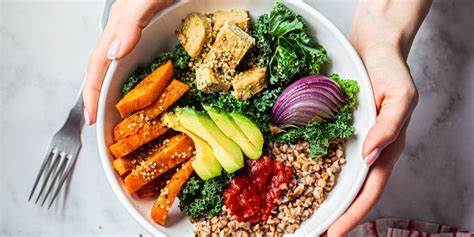
    • Grain Bowls: Grain bowls are highly customizable and perfect for adding superfoods. Start with a base of quinoa or brown rice, then add roasted vegetables, legumes (such as chickpeas or lentils), and a protein source like grilled chicken or tofu. Top with a sprinkle of flaxseeds, hemp seeds, or avocado to boost the nutrient content.

    • Wraps and Sandwiches: Incorporate superfoods into wraps or sandwiches by adding ingredients like leafy greens (spinach or arugula), avocado, sprouts, and hummus. You can also add a handful of superfood-rich seeds like chia or sunflower for extra crunch and nutrition.

    3. Snack on Superfoods

    Snacks are a great way to sneak in some extra superfoods throughout the day.

    • Energy Balls: Make your own energy balls by blending superfoods like oats, chia seeds, flaxseeds, and almond butter. Add honey or maple syrup for sweetness, then roll into small balls for an easy, on-the-go snack. These energy balls are packed with fiber, healthy fats, and protein.

    • Nuts and Seeds: A handful of nuts and seeds like almonds, walnuts, pumpkin seeds, or sunflower seeds can be a quick and nutritious snack. These snacks provide healthy fats, protein, and important minerals like zinc and magnesium that support overall health.

    • Yogurt Parfaits: Layer plain Greek yogurt with fresh berries, granola, and a sprinkle of chia seeds for a healthy and satisfying snack. This parfait is rich in probiotics, antioxidants, and healthy fats, making it an ideal option to support digestion and boost immunity.

    4. Supercharge Your Dinner with Superfoods

    Dinner is another meal where you can easily add superfoods to your plate.

    • Roasted Vegetables: Roasting vegetables is an easy way to bring out their natural flavors and boost their nutritional value. Add vegetables like sweet potatoes, broccoli, Brussels sprouts, and cauliflower to your dinner. Top them with a sprinkle of turmeric, cumin, or ginger to enhance their anti-inflammatory properties.

    • Fish: Fatty fish like salmon, mackerel, and sardines are rich in omega-3 fatty acids, which promote heart health and reduce inflammation. Serve fish with a side of quinoa or brown rice and a fresh salad to create a nutrient-dense dinner.

    • Stir-Fries: Stir-fries are quick to make and a perfect way to load up on vegetables and superfoods. Sauté a variety of colorful veggies like bell peppers, broccoli, and snap peas with some garlic and ginger. Add a protein source like tofu, chicken, or shrimp, and top with a drizzle of sesame oil and a sprinkle of sesame seeds.

    5. Beverages with Superfoods

    You can also incorporate superfoods into your beverages for an added nutritional boost.

    • Green Tea: Green tea is rich in antioxidants called catechins, which help protect your cells and support metabolism. Sip on a cup of green tea throughout the day or use it as a base for smoothies or iced beverages.

    • Golden Milk: Golden milk is made with turmeric, milk (or a dairy-free alternative), and spices like cinnamon and black pepper. The active compound in turmeric, curcumin, has powerful anti-inflammatory properties that can help reduce inflammation and promote overall health.

    • Smoothies: Smoothies are an easy and delicious way to incorporate superfoods like kale, spinach, chia seeds, flaxseeds, and berries into your diet. Simply blend your favorite ingredients with a liquid like almond milk or coconut water, and you have a nutrient-packed drink to enjoy any time of the day.

    6. Experiment with Superfood Supplements

    If you’re looking for an even easier way to add superfoods to your diet, consider adding superfood supplements to your meals. Products like spirulina, chlorella, acai powder, and matcha powder can be added to smoothies, oatmeal, or even baked goods. These supplements provide concentrated doses of nutrients that can support your health.

    Conclusion

    Incorporating superfoods into your everyday meals doesn’t have to be complicated. By starting with simple changes to your breakfast, lunch, snacks, and dinner, you can easily add a variety of nutrient-rich superfoods to your diet. From smoothie bowls to roasted vegetables and energy balls, there are endless ways to enjoy these nutritional powerhouses.

  • The Best Superfoods for Healthy Skin and Hair

    The Best Superfoods for Healthy Skin and Hair

    Achieving healthy skin and shiny hair doesn’t just come from external beauty products or treatments. True beauty begins from within, and the foods you consume can play a significant role in nourishing your skin and hair. Superfoods, packed with essential nutrients, can help improve the health of your skin and hair, giving you a glowing complexion and luscious locks.

    In this article, we’ll explore the best superfoods to incorporate into your diet for promoting healthy skin and hair.

    What Are Superfoods?

    Superfoods are nutrient-rich foods that are beneficial for your overall health. These foods are loaded with vitamins, minerals, antioxidants, and healthy fats that support bodily functions, including skin and hair health. Superfoods provide key nutrients that support collagen production, hydrate the skin, and promote the growth of strong, shiny hair.

    By including these superfoods in your daily meals, you can naturally enhance your skin and hair’s health.

    How Superfoods Benefit Skin and Hair

    1. Collagen Production
      Collagen is an essential protein that helps maintain skin elasticity and prevents wrinkles. It is also crucial for strong hair. Superfoods rich in vitamin C, like citrus fruits and bell peppers, help boost collagen production. Collagen helps keep your skin firm and youthful and encourages hair growth.

    2. Antioxidant Protection
      The skin and hair are constantly exposed to environmental stressors such as UV rays, pollution, and free radicals. Antioxidants help neutralize free radicals and protect against skin aging and hair damage. Superfoods like berries, green tea, and dark chocolate are rich in antioxidants that help combat oxidative stress, preserving the health of your skin and hair.

    3. Hydration and Nourishment
      Healthy skin and hair need proper hydration. Superfoods rich in healthy fats, such as avocados and nuts, help keep your skin moisturized from the inside. They also contribute to hair health by nourishing the hair follicles, promoting softer and shinier hair.

    4. Anti-Inflammatory Properties
      Chronic inflammation can lead to skin issues like acne, eczema, or dullness. Superfoods like turmeric and ginger contain anti-inflammatory compounds that can reduce skin inflammation and promote a clearer complexion. They also improve blood circulation, ensuring that your skin and hair receive the nutrients they need for optimal health.

    The Best Superfoods for Healthy Skin and Hair
    The Best Superfoods for Healthy Skin and Hair

    Best Superfoods for Healthy Skin and Hair

    1. Avocados
      Avocados are a rich source of healthy fats, particularly omega-3 fatty acids, which are essential for keeping your skin hydrated and preventing dryness. They are also packed with vitamin E, which helps protect your skin from UV damage and reduces signs of aging. The monounsaturated fats in avocados also nourish hair follicles, promoting shiny, strong hair.

    2. Berries
      Berries like blueberries, strawberries, and raspberries are loaded with antioxidants such as vitamin C and flavonoids. These antioxidants protect the skin from free radical damage, which can lead to premature aging and wrinkles. Vitamin C also helps produce collagen, which is essential for maintaining youthful skin and strong hair.

    3. Spinach
      Spinach is a powerhouse of nutrients like vitamins A, C, and E, which are essential for healthy skin and hair. Vitamin A supports skin cell turnover and helps maintain smooth, radiant skin, while vitamin C boosts collagen production. The high iron content in spinach also promotes blood circulation, which is important for healthy hair growth.

    4. Salmon
      Salmon is rich in omega-3 fatty acids, which are essential for keeping your skin moisturized and your hair shiny. Omega-3s also have anti-inflammatory properties, reducing the risk of skin irritation and promoting a healthier complexion. Additionally, the protein in salmon supports collagen production, helping to maintain skin elasticity and firmness.

    5. Nuts (Especially Walnuts)
      Nuts, particularly walnuts, are an excellent source of omega-3 fatty acids, antioxidants, and zinc. Omega-3s keep your skin hydrated, while zinc helps to regulate oil production and reduce the risk of acne. Walnuts are also rich in biotin, which is essential for strong, healthy hair. Including a handful of nuts in your diet can improve both your skin and hair health.

    6. Sweet Potatoes
      Sweet potatoes are an excellent source of beta-carotene, which the body converts into vitamin A. Vitamin A helps with skin cell turnover, promoting a smoother, more even complexion. It also encourages the production of sebum, the natural oil that keeps your skin and hair moisturized. Sweet potatoes are also rich in antioxidants that protect your skin from environmental damage.

    7. Tomatoes
      Tomatoes are high in lycopene, an antioxidant that protects your skin from sun damage and prevents premature aging. Lycopene also helps improve skin texture and reduces the appearance of wrinkles. The vitamin C content in tomatoes supports collagen production, enhancing skin elasticity and promoting healthy hair growth.

    8. Green Tea
      Green tea is packed with antioxidants known as catechins, which protect the skin from UV damage and reduce inflammation. Drinking green tea regularly can help improve skin tone, reduce puffiness, and prevent acne. The polyphenols in green tea also stimulate hair growth and reduce hair loss by improving blood circulation to the scalp.

    9. Pumpkin Seeds
      Pumpkin seeds are rich in zinc, which plays a crucial role in maintaining healthy skin by regulating oil production and promoting cell regeneration. Zinc also supports hair health by strengthening hair follicles and preventing hair thinning. Additionally, pumpkin seeds are packed with antioxidants that help protect the skin from oxidative stress and aging.

    Conclusion

    Eating a balanced diet filled with nutrient-dense superfoods can help promote healthy, glowing skin and strong, shiny hair. Avocados, berries, spinach, and salmon are just a few examples of foods that nourish and protect your skin and hair from the inside out. By including these superfoods in your daily meals, you can naturally enhance your beauty and support long-term skin and hair health.

  • How Superfoods Can Boost Your Immune System Naturally

    How Superfoods Can Boost Your Immune System Naturally

    Your immune system is your body’s first line of defense against harmful bacteria, viruses, and other pathogens. Keeping it strong and healthy is essential to ward off sickness and maintain overall wellness. While lifestyle choices like regular exercise and adequate sleep are key factors in immune health, incorporating superfoods into your diet can give your immune system an extra boost. These nutrient-packed foods offer a variety of vitamins, minerals, and antioxidants that can help your body fight off infections naturally.

    In this article, we’ll explore how superfoods can enhance your immune system and highlight some of the best options to include in your diet.

    What Are Superfoods?

    Superfoods are nutrient-dense foods that are packed with vitamins, minerals, antioxidants, and other essential nutrients. These foods are considered beneficial to health due to their high concentrations of compounds that support bodily functions, including the immune system. Superfoods come in many forms, including fruits, vegetables, nuts, seeds, and herbs.

    The key benefit of superfoods is their ability to provide a wide range of nutrients that support overall health, particularly immune function. Some superfoods contain natural compounds that have anti-inflammatory, antimicrobial, and antioxidant properties, which help protect the body against illness.

    How Superfoods Help Boost the Immune System

    1. Rich in Vitamins and Minerals
      Certain vitamins and minerals are vital for a strong immune system. Vitamin C, for example, is essential for the production of white blood cells, which are responsible for fighting infections. Vitamin A plays a key role in maintaining the health of mucous membranes, which are the first line of defense against invaders. Minerals like zinc and selenium are involved in cell function and help activate the immune response. Many superfoods are rich in these nutrients, making them ideal choices to strengthen your immunity.

    2. Packed with Antioxidants
      Antioxidants help combat oxidative stress in the body by neutralizing free radicals. This process helps reduce inflammation, which can weaken immune response. Superfoods like berries, leafy greens, and nuts are high in antioxidants like flavonoids and carotenoids, which support immune cell function and reduce the risk of chronic diseases.

    3. Anti-Inflammatory Properties
      Inflammation is a natural part of the body’s defense mechanism, but chronic inflammation can impair immune function. Many superfoods contain natural compounds that have anti-inflammatory effects. For instance, turmeric contains curcumin, which has been shown to reduce inflammation and enhance immune cell activity. Garlic and ginger also possess anti-inflammatory properties that support a healthy immune system.

    4. Gut Health and Immunity
      A significant portion of your immune system resides in the gut, and a healthy gut is essential for optimal immune function. Superfoods like yogurt, kefir, and fermented foods provide probiotics, which help balance gut bacteria and strengthen immune response. A healthy gut microbiome is crucial for protecting against infections and improving the body’s ability to fight off illness.

    How Superfoods Can Boost Your Immune System Naturally
    How Superfoods Can Boost Your Immune System Naturally

    Best Superfoods to Boost Your Immune System

    1. Citrus Fruits
      Citrus fruits like oranges, lemons, and grapefruits are well-known for their high vitamin C content. Vitamin C is essential for immune function, as it helps stimulate the production of white blood cells and enhances their ability to fight infections.

    2. Spinach and Kale
      Leafy greens such as spinach and kale are rich in vitamins A, C, and E, all of which support immune health. These greens also contain antioxidants like flavonoids, which help fight off free radicals and reduce inflammation.

    3. Garlic
      Garlic has been used for centuries for its medicinal properties. It contains sulfur compounds like allicin, which have been shown to boost immune function and fight bacterial and viral infections.

    4. Ginger
      Ginger is another powerful superfood with anti-inflammatory and immune-boosting properties. It contains compounds like gingerol that help reduce inflammation and support the body’s natural defense mechanisms.

    5. Almonds
      Almonds are a rich source of vitamin E, which is vital for immune function. Vitamin E helps regulate the immune system and protect cells from oxidative stress. Almonds also provide healthy fats and fiber that support overall health.

    Conclusion

    Incorporating superfoods into your daily diet is a simple and natural way to strengthen your immune system and protect your body from illnesses. By choosing nutrient-dense foods that are rich in vitamins, minerals, antioxidants, and anti-inflammatory compounds, you can help your body stay resilient and healthy. From citrus fruits to turmeric, the variety of superfoods available makes it easy to enjoy a diet that supports your immune system’s optimal function.

  • The Top 10 Superfoods You Should Add to Your Diet Today

    Superfoods are nutrient-dense foods that are packed with vitamins, minerals, and antioxidants, offering numerous health benefits. Including these foods in your diet can help boost immunity, improve digestion, and support overall well-being. Here’s a list of the top 10 superfoods you should consider adding to your daily meals to enhance your health.

    1. Blueberries

    Blueberries are often considered one of the best superfoods due to their high levels of antioxidants, especially anthocyanins. These antioxidants help protect the body from free radicals, reducing the risk of chronic diseases like heart disease and cancer. Blueberries are also known to improve brain function and memory, making them an excellent addition to your diet for cognitive health. They’re easy to incorporate into smoothies, oatmeal, or eaten by the handful.

    2. Spinach

    Spinach is a nutrient powerhouse loaded with vitamins A, C, and K, as well as folate, iron, and magnesium. These nutrients play crucial roles in maintaining healthy skin, boosting immune function, and supporting bone health. Spinach is also a great source of fiber, which aids digestion and keeps you feeling full. You can add spinach to salads, sandwiches, soups, or blend it into smoothies for a quick nutrient boost.

    3. Avocados

    Avocados are rich in heart-healthy monounsaturated fats and packed with fiber, potassium, and vitamins like vitamin K, E, and C. These nutrients are essential for reducing cholesterol levels, supporting digestive health, and improving skin health. The healthy fats in avocados also help with nutrient absorption. You can enjoy them in salads, on toast, or blend them into smoothies for a creamy texture.

    4. Chia Seeds

    Chia seeds are small but mighty. These tiny seeds are loaded with omega-3 fatty acids, fiber, and protein. They help improve digestion, stabilize blood sugar levels, and promote heart health. Chia seeds also contain a variety of minerals, including calcium, magnesium, and phosphorus, which are essential for strong bones. You can sprinkle them over yogurt, mix them into smoothies, or make chia pudding for a healthy snack.

    5. Salmon

    Salmon is one of the best sources of omega-3 fatty acids, which are crucial for heart health, reducing inflammation, and supporting brain function. Omega-3s have also been shown to help with depression and anxiety. Salmon is also high in protein, B vitamins, and vitamin D. Regular consumption of salmon can promote healthy skin, strong muscles, and improved cognitive function. Grilled, baked, or pan-seared, salmon is a delicious and nutritious addition to any meal.

    6. Kale

    Kale is another leafy green vegetable that’s rich in vitamins A, C, and K, as well as calcium, iron, and antioxidants. This superfood is well known for its anti-inflammatory properties and can help reduce the risk of chronic conditions like heart disease and cancer. Kale is also high in fiber, which aids digestion and supports healthy gut function. You can enjoy kale in salads, smoothies, or sautéed with garlic and olive oil.

    7. Turmeric

    Turmeric is a powerful spice known for its anti-inflammatory and antioxidant properties. The active compound in turmeric, curcumin, has been studied for its potential to reduce inflammation, support joint health, and even fight certain types of cancer. Adding turmeric to your diet can promote overall well-being and reduce the risk of chronic diseases. You can sprinkle it in curries, soups, or mix it into smoothies for a healthy twist.

    8. Almonds

    Almonds are packed with healthy fats, fiber, protein, and various essential vitamins and minerals. They support heart health by reducing bad cholesterol levels and promoting healthy blood pressure. Almonds are also an excellent source of vitamin E, which is beneficial for skin health and acts as an antioxidant to protect your cells. Snacking on a handful of almonds or adding them to your morning oatmeal or salads is a great way to include them in your diet.

    9. Sweet Potatoes

    Sweet potatoes are rich in beta-carotene, which your body converts into vitamin A. Vitamin A is vital for healthy vision, immune function, and skin health. Sweet potatoes are also high in fiber, which promotes digestive health and helps regulate blood sugar levels. They’re a versatile ingredient that can be roasted, mashed, or used in soups and stews, making them an easy and delicious addition to any meal.

    10. Greek Yogurt

    Greek yogurt is a great source of probiotics, which are beneficial bacteria that support gut health and improve digestion. It’s also high in protein and calcium, which help build and maintain strong muscles and bones. The probiotics in Greek yogurt can enhance your immune system and reduce inflammation. Opt for plain, unsweetened Greek yogurt and add fresh fruit, nuts, or honey for a healthy, balanced snack.

    Final Thoughts

    Incorporating these top 10 superfoods into your diet can provide a wide range of health benefits. From boosting brain function to supporting heart health and improving digestion, these nutrient-dense foods will help you feel your best. Start small by adding a few of these superfoods to your meals and gradually increase their presence in your diet. The more you enjoy these healthy options, the better you’ll feel overall.

  • Keto Diet and Mental Clarity: What the Research Says

    The ketogenic (keto) diet has gained widespread popularity not only for its effects on weight loss but also for its potential cognitive benefits. One of the main reasons people adopt the keto diet is to improve mental clarity, focus, and brain function. Research suggests that the keto diet may offer several cognitive benefits by providing the brain with an alternative energy source in the form of ketones. Let’s dive into how the keto diet can impact mental clarity and cognitive performance and explore the scientific evidence behind these claims.

    Keto Diet and Mental Clarity: What the Research Says

    Understanding Ketosis and Its Impact on the Brain

    At the core of the keto diet is the process of ketosis, which occurs when the body shifts from burning carbohydrates for energy to burning fat. When you drastically reduce your carbohydrate intake, the liver begins to break down fat into molecules called ketones. These ketones serve as a more efficient fuel source for the brain than glucose, the body’s usual energy source.

    This shift in energy metabolism is particularly important for mental clarity. The brain is a high-energy organ, and it relies on a constant supply of glucose for fuel. However, when glucose is in short supply (as it is on a keto diet), the brain switches to using ketones, which are more stable and efficient. Studies have shown that ketones provide more energy for the brain’s cells, potentially leading to enhanced cognitive function, improved focus, and better mental clarity.

    Improved Focus and Mental Performance

    One of the main claims about the keto diet is its ability to improve focus and mental clarity. A number of studies support the idea that the brain performs better on ketones than on glucose, especially for people following the keto diet long-term. Research has found that ketones are able to cross the blood-brain barrier more effectively than glucose, providing a stable and continuous energy supply to the brain.

    Moreover, a study published in the journal Neurobiology of Aging found that older adults who followed a low-carb ketogenic diet experienced significant improvements in cognitive function, including better memory, improved attention, and sharper focus. This is especially beneficial for people who may be experiencing cognitive decline or age-related mental fog.

    Reduction in Brain Fog and Mental Fatigue

    Many people who start the keto diet report feeling less brain fog and mental fatigue after a period of adaptation. Brain fog is a condition characterized by a lack of clarity, difficulty focusing, and poor mental performance. Research suggests that when the body adapts to using ketones instead of glucose for energy, the brain operates more efficiently and may experience fewer fluctuations in energy levels.

    Furthermore, the keto diet may help balance blood sugar levels, reducing the spikes and crashes that can cause irritability, fatigue, and difficulty concentrating. By avoiding high-glycemic foods and stabilizing blood sugar, the keto diet may prevent the brain from entering periods of low energy, thus improving mental clarity and focus.

    Neuroprotective Effects of Ketones

    Ketones don’t just fuel the brain; they also offer neuroprotective benefits. Research suggests that ketones may have a positive impact on brain health by reducing inflammation and promoting brain cell regeneration. Some studies have shown that ketones can help protect against neurodegenerative diseases such as Alzheimer’s and Parkinson’s disease by providing a steady energy supply to neurons, reducing oxidative stress, and improving mitochondrial function.

    A study published in The Journal of Alzheimer’s Disease found that supplementing with medium-chain triglycerides (MCTs), which are converted into ketones, improved cognitive performance in individuals with mild cognitive impairment. These findings suggest that the keto diet, through its production of ketones, may support long-term brain health and mental clarity.

    Conclusion

    The evidence supporting the keto diet’s effects on mental clarity is compelling. By providing the brain with a stable source of energy in the form of ketones, the diet may improve focus, reduce brain fog, and promote overall cognitive health. Research also suggests that the neuroprotective effects of ketones can help protect against cognitive decline, making keto an attractive option for brain health in the long term.

    However, the keto diet is not for everyone, and individual results may vary. It’s essential to consult with a healthcare provider before starting any new diet, especially if you have underlying health conditions. With the right approach and proper adaptation, the keto diet can be an effective strategy for enhancing mental clarity, boosting cognitive performance, and supporting long-term brain health.

  • The Best Fermented Foods to Eat for a Healthy Gut

    The Best Fermented Foods to Eat for a Healthy Gut

    Maintaining a healthy gut is crucial for overall well-being. A healthy gut not only supports proper digestion but also plays a significant role in your immune system, mental health, and even skin appearance. One of the best ways to promote gut health is by incorporating fermented foods into your diet. These foods are packed with probiotics, beneficial bacteria that support digestion, balance gut microbiota, and strengthen your immune system. Let’s dive into the best fermented foods you should eat to ensure a healthy gut.

    What Are Fermented Foods?

    Fermented foods are those that have undergone a fermentation process, where natural bacteria, yeasts, or fungi convert the sugars and starches in the food into acids or alcohol. This process not only preserves the food but also enhances its nutritional profile. The fermentation process increases the bioavailability of nutrients and creates probiotics, live microorganisms that benefit your digestive system and overall health.

    Top Fermented Foods for a Healthy Gut

    1. Kimchi

    Kimchi is a traditional Korean dish made from fermented vegetables, primarily napa cabbage, and radishes, flavored with chili, garlic, ginger, and other spices. It’s loaded with probiotics that can significantly improve gut health by restoring the balance of healthy bacteria. Kimchi also contains fiber, antioxidants, and vitamins, making it a powerful addition to any diet. Eating kimchi regularly can help promote digestion, reduce bloating, and support a strong immune system.

    2. Sauerkraut

    Sauerkraut is a German dish made from finely chopped fermented cabbage. It’s rich in probiotics, particularly Lactobacillus bacteria, which are beneficial for digestion and gut flora balance. In addition to its probiotic content, sauerkraut is a good source of vitamin C and fiber. It has been linked to improved digestion, a stronger immune system, and a reduced risk of certain gut-related diseases. The natural fermentation process helps preserve the cabbage and increase its digestibility, making sauerkraut a great option for gut health.

    3. Kefir

    Kefir is a fermented dairy product similar to yogurt but with a thinner consistency. It’s made by fermenting milk with kefir grains, which contain a variety of bacteria and yeasts. The probiotics found in kefir can support the gut microbiome, improve digestion, and help alleviate lactose intolerance. Kefir is also rich in protein, calcium, and B vitamins, making it a nutrient-dense option for gut health. Non-dairy kefir made from coconut milk, almond milk, or soy milk is also available for those following a plant-based diet.

    4. Yogurt

    Yogurt is one of the most widely consumed fermented foods and is packed with probiotics, particularly Lactobacillus and Bifidobacterium strains. These probiotics are essential for supporting gut health and improving digestion. In addition to probiotics, yogurt is a great source of protein, calcium, and vitamins, all of which contribute to healthy bones, muscles, and immune function. Opt for plain, unsweetened yogurt to avoid added sugars, which can interfere with gut health. Greek yogurt is also a great option as it’s higher in protein and lower in sugar than regular yogurt.

    The Best Fermented Foods to Eat for a Healthy Gut
    The Best Fermented Foods to Eat for a Healthy Gut

    5. Miso

    Miso is a fermented paste made from soybeans, rice, or barley, and it’s a key ingredient in Japanese cuisine. It is rich in beneficial bacteria that help support gut health and digestion. Miso is also an excellent source of protein, antioxidants, and vitamins, making it a nutrient-dense food for overall health. It’s commonly used in soups, sauces, and dressings, adding a savory umami flavor. The probiotics in miso can help improve gut flora and reduce inflammation in the digestive tract.

    6. Tempeh

    Tempeh is a fermented soybean product that originates from Indonesia. It’s made by fermenting cooked soybeans with a specific type of mold, which binds the beans together into a firm cake. Tempeh is a rich source of protein, fiber, and probiotics. It contains beneficial bacteria that support digestion, promote a healthy gut, and improve nutrient absorption. It’s also a versatile food that can be grilled, sautéed, or crumbled into various dishes like stir-fries, salads, and sandwiches.

    7. Pickles

    Pickles, or fermented cucumbers, are a popular snack and side dish in many cultures. When fermented in brine, cucumbers develop probiotics that can support gut health and improve digestion. Pickles are also a good source of fiber, vitamin K, and antioxidants. However, it’s important to choose naturally fermented pickles (not those made with vinegar) for the full probiotic benefits. Just be mindful of the sodium content, as pickles can sometimes be high in salt.

    8. Kombucha

    Kombucha is a fermented tea made by brewing tea with sugar and a symbiotic culture of bacteria and yeast (SCOBY). The fermentation process produces beneficial probiotics, organic acids, and enzymes that support gut health and digestion. Kombucha is also rich in antioxidants, which can help fight inflammation and promote overall health. Drinking kombucha regularly can aid in digestion, boost your immune system, and enhance your energy levels. Be sure to choose unpasteurized kombucha to get the full probiotic benefits.

    9. Natto

    Natto is a traditional Japanese food made from fermented soybeans. Unlike other fermented soy products like tofu and tempeh, natto has a sticky texture and a distinct, strong flavor. It’s rich in probiotics, particularly Bacillus subtilis, which is beneficial for gut health. Natto is also high in protein, fiber, and vitamin K2, which is essential for bone health. While its taste and texture may not be for everyone, natto is an incredibly healthy fermented food to add to your diet.

    Conclusion

    Incorporating fermented foods into your diet can have a profound impact on your gut health and overall well-being. Foods like kimchi, sauerkraut, kefir, yogurt, miso, and tempeh are rich in probiotics that support digestion, improve nutrient absorption, and strengthen the immune system. Whether you’re looking to boost your gut flora, enhance digestion, or just add more variety to your meals, these fermented foods are delicious and nutrient-d

  • How to Transition Off a Keto Diet Without Gaining Weight

    How to Transition Off a Keto Diet Without Gaining Weight

    Transitioning off the keto diet can be a delicate process, especially if you’ve been following it strictly for a while. As you reintroduce more carbohydrates into your diet, there’s a risk of weight gain if not done properly. However, with a gradual approach and mindful choices, you can ease into a balanced eating pattern without undoing your hard work. Here are some strategies to help you make a smooth transition without gaining weight.

    1. Reintroduce Carbs Slowly

    The key to transitioning off keto is to gradually reintroduce carbs into your diet, rather than suddenly increasing them all at once. Start by adding a small portion of complex carbohydrates, such as sweet potatoes, quinoa, or brown rice, to your meals. Give your body time to adjust to the changes. This will help prevent blood sugar spikes and prevent the body from storing too much fat.

    Tip: Start with an extra 20-30 grams of carbs per day and monitor your body’s response. Gradually increase the amount over a few weeks.

    2. Prioritize Whole, Nutrient-Dense Carbs

    Focus on adding whole, nutrient-dense carbs rather than processed ones. Instead of sugary snacks, white bread, or pasta, choose high-quality sources like vegetables, whole grains, and fruits. These foods provide fiber, vitamins, and minerals that will keep you full longer and help stabilize blood sugar levels.

    Examples of Whole Carbs:

    • Whole grains (quinoa, brown rice, oats)

    • Root vegetables (sweet potatoes, carrots)

    • Legumes (lentils, chickpeas)

    • Fruits (berries, apples, citrus fruits)

    3. Watch Your Portion Sizes

    While carbs are now a part of your diet again, it’s still important to control your portion sizes. Carbohydrates are calorie-dense, so consuming large portions of them can quickly lead to weight gain. Focus on balanced meals with a moderate amount of carbs, protein, and healthy fats. This will help maintain energy levels without excessive calorie consumption.

    Tip: Use a portion control method or smaller plates to help with serving sizes.

    4. Increase Your Protein Intake

    To help preserve muscle mass and keep you feeling satisfied as you reintroduce carbs, increase your protein intake. Protein helps with muscle repair and growth, and it’s more satiating, which can prevent overeating.

    Sources of Protein:

    • Lean meats (chicken, turkey, fish)

    • Plant-based options (tofu, tempeh, beans)

    • Eggs

    • Dairy (if you tolerate it)

    5. Stay Active

    Regular physical activity, particularly strength training, will help you manage any potential weight gain during your transition. Exercise boosts metabolism, supports fat loss, and helps regulate blood sugar levels. Make sure to incorporate a mix of cardio and resistance training to maintain muscle mass and promote fat-burning.

    Tip: Aim for at least 30 minutes of moderate exercise most days of the week.

    6. Be Mindful of Your Snacking

    Snacking can easily lead to extra calories if you’re not careful. As you transition off keto, try to stick to healthy, balanced snacks like a handful of nuts, Greek yogurt, or fruit with nut butter. Avoid reaching for processed or high-sugar snacks, as they can quickly derail your progress.

    7. Stay Hydrated

    Sometimes, people confuse hunger with thirst, so staying hydrated is essential. Drinking water throughout the day can help control appetite and improve digestion. In addition, drinking plenty of water can prevent bloating, which is common when transitioning back to a higher-carb diet.

    8. Be Patient and Give Your Body Time

    Your body will need time to adjust to the new way of eating, so be patient and avoid stressing over every meal. Gradually increasing your carb intake and observing how your body reacts will help you find the right balance without packing on extra weight.

    9. Monitor Your Progress

    Keep track of your weight, body measurements, and overall well-being as you transition. This will help you identify any patterns or changes in your weight and adjust your diet and exercise routine as needed.

    Final Thoughts

    Transitioning off a keto diet doesn’t have to result in weight gain if you approach it mindfully. Gradually reintroducing carbs, focusing on whole foods, increasing your protein intake, and staying active will help you make the shift without derailing your progress. Remember, this is a process, so give yourself grace and be patient as you adjust to a more balanced, sustainable eating pattern.

  • The Differences Between Keto, Paleo, and Low-Carb Diets

    The Differences Between Keto, Paleo, and Low-Carb Diets

    Many people looking to improve their health or lose weight explore different diet options. Keto, paleo, and low-carb diets are often compared, but they have distinct rules and benefits. This guide will help you understand their differences and decide which one is right for you.

    1. What Is the Keto Diet?

    The ketogenic (keto) diet is a high-fat, very low-carb diet that shifts your body into ketosis—a metabolic state where fat is burned for energy instead of carbohydrates.

    Key Features:

    • Carb Intake: Limited to 20–50 grams of net carbs per day

    • Protein Intake: Moderate (15–25% of daily calories)

    • Fat Intake: High (70–80% of daily calories)

    • Main Goal: Entering ketosis to burn fat for fuel

    What You Can Eat:

    • Healthy fats (avocados, olive oil, coconut oil, nuts)

    • Fatty cuts of meat, poultry, and fish

    • Eggs, cheese, and full-fat dairy

    • Low-carb vegetables (spinach, cauliflower, zucchini)

    Foods to Avoid:

    • High-carb foods (bread, pasta, rice)

    • Sugar (soft drinks, candy, desserts)

    • Most fruits (except berries in moderation)

    Who It’s Best For:

    • People who want rapid weight loss

    • Those managing conditions like diabetes or epilepsy

    • Anyone looking for improved mental clarity and energy

    The Differences Between Keto, Paleo, and Low-Carb Diets
    The Differences Between Keto, Paleo, and Low-Carb Diets

    2. What Is the Paleo Diet?

    The paleo diet focuses on eating like our ancestors—foods that could be hunted or gathered. It eliminates processed foods, grains, and dairy while emphasizing whole, unprocessed foods.

    Key Features:

    • Carb Intake: Varies (moderate to high)

    • Protein Intake: High

    • Fat Intake: Moderate to high

    • Main Goal: Eating whole, natural foods and avoiding processed ingredients

    What You Can Eat:

    • Grass-fed meats, wild-caught fish, and free-range poultry

    • Fresh fruits and vegetables

    • Nuts and seeds

    • Healthy fats (avocado, olive oil, coconut oil)

    Best gambling site Australia

    For those who appreciate high-quality entertainment and reliable gaming options, Best gambling site Australia delivers an experience that stands out. Players can enjoy an impressive range of games, seamless navigation, and secure transactions. It’s the perfect destination for anyone seeking both fun and rewarding gameplay. Discover why it’s considered a top choice among Australian gaming enthusiasts.

    Foods to Avoid:

    • Grains (wheat, rice, oats)

    • Dairy (milk, cheese, butter)

    • Processed foods and refined sugar

    • Legumes (beans, lentils, peanuts)

    Who It’s Best For:

    • People who want a natural, whole-food diet

    • Those sensitive to dairy or grains

    • Anyone looking for reduced inflammation and better digestion

    3. What Is a Low-Carb Diet?

    A low-carb diet simply reduces carbohydrate intake but does not necessarily focus on high fat like keto. It allows more flexibility and includes a variety of food choices.

    Key Features:

    • Carb Intake: Typically 50–150 grams per day

    • Protein Intake: Moderate to high

    • Fat Intake: Moderate

    • Main Goal: Reducing carbs for weight loss and blood sugar control

    What You Can Eat:

    • Lean meats, fish, and eggs

    • Low-carb vegetables (broccoli, lettuce, peppers)

    • Nuts, seeds, and healthy fats

    • Some fruits (berries, apples, citrus in moderation)

    Foods to Avoid:

    • Sugary foods and refined carbs

    • Processed foods and snacks

    • High-starch vegetables (potatoes, corn)

    Who It’s Best For:

    • People who want flexibility in their diet

    • Those looking for sustainable weight loss

    • Anyone managing blood sugar levels

    4. Key Differences Between Keto, Paleo, and Low-Carb Diets

    Feature Keto Diet Paleo Diet Low-Carb Diet
    Carb Intake Very low (20–50g/day) Moderate to high Low to moderate (50–150g/day)
    Fat Intake High (70–80%) Moderate to high Moderate
    Protein Intake Moderate High Moderate to high
    Dairy Allowed? Yes (cheese, butter, cream) No Yes (depends on individual tolerance)
    Grains Allowed? No No Sometimes in moderation
    Legumes Allowed? No No Sometimes in moderation
    Main Goal Ketosis for fat-burning Eating whole, unprocessed foods Reducing carbs for weight loss and health

    5. Which Diet Should You Choose?

    • Choose Keto if you want rapid fat loss, mental clarity, and stable energy levels.

    • Choose Paleo if you prefer a natural, whole-food diet without grains and dairy.

    • Choose Low-Carb if you want a flexible, balanced approach without strict restrictions.

    Final Thoughts

    Keto, paleo, and low-carb diets all offer unique health benefits. The best choice depends on your goals, lifestyle, and food preferences. If you’re unsure, try each approach and see what works best for your body.

  • The Health Benefits of Fermented Foods for Digestion

    The Health Benefits of Fermented Foods for Digestion

    Fermented foods have been a staple in cultures worldwide for centuries. From kimchi in Korea to sauerkraut in Germany, these foods are known for their unique flavors and their ability to improve digestive health. But did you know that fermented foods can have a significant impact on your gut health? This blog explores the many health benefits of fermented foods, particularly their role in digestion, and how you can incorporate them into your diet.

    What Are Fermented Foods?

    Fermented foods are foods and beverages that have undergone a fermentation process where natural bacteria, yeasts, or fungi convert sugars and starches into acids or alcohol. This process not only preserves the food but also increases its nutritional value. The fermentation process enhances the bioavailability of nutrients and introduces beneficial probiotics—live microorganisms that contribute to gut health.

    Common Examples of Fermented Foods:

    • Kefir: A fermented milk drink packed with probiotics.

    • Kimchi: A traditional Korean side dish made from fermented vegetables, often including cabbage and radishes.

    • Sauerkraut: A fermented cabbage dish popular in European cuisine.

    • Miso: A Japanese paste made from fermented soybeans.

    • Tempeh: A fermented soy product that is often used as a meat substitute in plant-based diets.

    • Pickles: Cucumbers fermented in brine or vinegar, commonly enjoyed as a snack or condiment.

    • Yogurt: Fermented dairy that contains live bacteria cultures beneficial for digestion.

    How Fermented Foods Benefit Digestion

    The primary digestive benefit of fermented foods comes from the probiotics they contain. Probiotics are beneficial bacteria that live in your gut and support various bodily functions. They are especially important for the digestive system, where they help to break down food, absorb nutrients, and maintain a balanced gut microbiome.

    1. Improve Gut Health

    Fermented foods introduce healthy bacteria into your digestive system, which can help improve the balance of the gut microbiome. A healthy gut microbiome is essential for proper digestion, immune function, and overall health. By boosting the number of beneficial bacteria, fermented foods help to crowd out harmful bacteria and yeast that can lead to digestive issues like bloating, gas, and constipation.

    2. Enhance Nutrient Absorption

    Fermentation increases the bioavailability of certain nutrients in foods, making them easier for your body to absorb. For example, the fermentation process in vegetables like cabbage increases the availability of vitamins such as vitamin K2 and B vitamins. Additionally, fermented foods can enhance the absorption of minerals like calcium and magnesium, which are essential for bone health.

    3. Aid in Digestion of Lactose

    Fermented dairy products like kefir and yogurt contain live bacteria cultures that partially break down lactose, the sugar found in milk. This process makes fermented dairy products easier to digest for people who have difficulty with lactose intolerance. The probiotics in these foods help people digest lactose more efficiently, reducing symptoms like bloating and gas.

    4. Relieve Digestive Issues

    Fermented foods have been shown to provide relief from common digestive issues such as bloating, constipation, and diarrhea. The probiotics in fermented foods can improve bowel regularity and help to alleviate symptoms of irritable bowel syndrome (IBS) by restoring balance to the gut microbiome. They also support the production of short-chain fatty acids, which promote gut health and reduce inflammation in the digestive tract.

    The Health Benefits of Fermented Foods for Digestion
    The Health Benefits of Fermented Foods for Digestion

    5. Strengthen the Immune System

    A large portion of your immune system resides in your gut. Fermented foods can play a crucial role in supporting your immune system by promoting the growth of beneficial bacteria that influence immune function. Regular consumption of fermented foods can help maintain a healthy balance of gut bacteria, reducing the risk of infections and inflammation in the digestive tract.

    How to Incorporate More Fermented Foods into Your Diet

    If you’re new to fermented foods, it’s easy to start incorporating them into your daily routine. Here are a few simple ways to enjoy the digestive benefits of fermented foods:

    1. Add Yogurt or Kefir to Your Breakfast

    Start your day with a serving of yogurt or kefir. These probiotic-rich dairy options can be added to smoothies, parfaits, or enjoyed with fruit and nuts. Opt for unsweetened varieties to avoid added sugars.

    2. Include Sauerkraut or Kimchi as a Side Dish

    Sauerkraut and kimchi are excellent additions to meals, providing both probiotics and fiber. Enjoy them alongside sandwiches, salads, or even as a topping for bowls of rice or grain-based dishes.

    3. Snack on Pickles

    Pickles are another easy way to add fermented foods to your diet. Choose naturally fermented pickles (not vinegar-based) for maximum probiotic content. They make a great snack or can be added to salads and wraps.

    4. Try Fermented Soy Products

    Tempeh and miso are excellent sources of plant-based protein and probiotics. Tempeh can be grilled, sautéed, or crumbled into dishes like stir-fries, salads, or tacos. Miso can be used in soups, dressings, and marinades to add a savory, umami flavor.

    5. Drink Fermented Beverages

    Fermented beverages like kombucha (a fermented tea) or water kefir are becoming more popular as a healthy, gut-friendly drink option. Try swapping your sugary sodas or juices for these low-calorie, probiotic-rich alternatives.

    Precautions When Consuming Fermented Foods

    While fermented foods offer numerous digestive benefits, it’s important to consume them in moderation, especially if you are not used to them. Overeating fermented foods can cause bloating or digestive discomfort due to the increase in fiber and probiotics.

    Additionally, some fermented foods like sauerkraut or pickles can be high in sodium, so it’s essential to monitor your salt intake to avoid any negative impact on blood pressure.

    Conclusion

    Fermented foods are a powerful tool for improving digestion and supporting overall gut health. Rich in probiotics, fiber, and essential nutrients, these foods can help balance your gut microbiome, enhance nutrient absorption, and provide relief from common digestive issues. Incorporating a variety of fermented foods like yogurt, kimchi, sauerkraut, and kefir into your daily meals can have a positive impact on your digestive system and overall well-being. Start small, experiment with flavors, and enjoy the numerous health benefits of fermented foods in your diet.

  • How to Stay in Ketosis and Avoid Common Pitfalls

    How to Stay in Ketosis and Avoid Common Pitfalls

    The ketogenic diet helps your body burn fat for fuel instead of carbs, but staying in ketosis requires discipline. Many people unknowingly fall out of ketosis due to small mistakes. This guide will help you maintain ketosis and avoid common pitfalls.

    1. Track Your Carb Intake Carefully

    One of the biggest reasons people fall out of ketosis is consuming too many carbs. Even healthy foods like fruits and certain vegetables can contain enough carbs to push you over the limit.

    How to fix it:

    • Stick to 20–50 grams of net carbs per day.

    • Use apps like MyFitnessPal or Carb Manager to track your macros.

    • Focus on low-carb veggies like spinach, kale, zucchini, and cauliflower.

    2. Watch Out for Hidden Carbs

    Many processed foods and condiments contain hidden sugars and starches that can knock you out of ketosis. Even small amounts of sugar can spike your insulin levels.

    Common culprits:

    • Salad dressings

    • Sauces (ketchup, BBQ sauce, soy sauce)

    • Dairy products (flavored yogurt, milk)

    • Sugar alcohols like maltitol (often found in “sugar-free” foods)

    How to fix it:

    • Always check nutrition labels for hidden sugars and carbs.

    • Use keto-friendly condiments like olive oil, vinegar, or sugar-free dressings.

    3. Eat Enough Fat to Stay in Ketosis

    Keto is a high-fat diet, not just a low-carb one. If you don’t eat enough fat, your body won’t efficiently enter ketosis, and you may feel tired or hungry.

    How to fix it:

    • Ensure 70–80% of your daily calories come from healthy fats.

    • Good fat sources: Avocados, nuts, coconut oil, olive oil, butter, and fatty fish.

    4. Avoid Too Much Protein

    Many keto beginners eat too much protein, thinking it’s a free pass. However, excess protein can be converted into glucose (sugar) through gluconeogenesis, which can take you out of ketosis.

    How to fix it:

    • Keep protein intake at 15–25% of your daily calories.

    • Prioritize fatty cuts of meat like ribeye steak, salmon, and pork belly over lean meats.

    5. Stay Hydrated and Replenish Electrolytes

    Keto has a diuretic effect, meaning you lose more water and electrolytes. This can lead to keto flu, causing headaches, fatigue, and muscle cramps.

    How to fix it:

    • Drink at least 8–10 cups of water daily.

    • Increase electrolytes by adding salt to meals and consuming potassium- and magnesium-rich foods.

    • Try bone broth or electrolyte supplements if you feel sluggish.

    6. Get Enough Sleep and Manage Stress

    Lack of sleep and high stress increase cortisol levels, which can cause sugar cravings and kick you out of ketosis.

    How to fix it:

    • Aim for 7–9 hours of quality sleep per night.

    • Reduce stress with meditation, yoga, or light exercise.

    • Avoid excessive caffeine in the evening.

    7. Exercise the Right Way

    Physical activity helps deplete glycogen stores and keeps you in ketosis. However, intense exercise can spike cortisol levels, which may interfere with ketosis.

    How to fix it:

    • Focus on moderate exercise like walking, yoga, and strength training.

    • If doing high-intensity workouts, consider a targeted keto diet (TKD), where you consume a small amount of carbs before workouts.

    8. Test Your Ketone Levels

    If you’re unsure whether you’re in ketosis, testing can help.

    Ways to test ketosis:

    • Urine strips (cheapest but least accurate)

    • Breath meters (mid-range accuracy)

    • Blood ketone meters (most accurate)

    9. Be Patient and Stay Consistent

    Entering ketosis takes time. Some people experience keto adaptation in a few days, while others need 2–3 weeks. If you don’t see immediate results, stay consistent and trust the process.

    How to fix it:

    • Stick to keto-friendly foods and track your progress.

    • Avoid cheat days, as they can set you back.

    • Remember that ketosis is a metabolic state, not just a food list.

    Wolf Winner real money casino

    Fetish Top 1000 showcases curated content for enthusiasts seeking unique lifestyle experiences, combining creativity and engagement. Exploring platforms like Wolf Winner real money casino highlights how online entertainment can provide exciting and interactive experiences. Just as Fetish Top 1000 connects its audience with tailored content, leveraging trusted digital resources enhances enjoyment and engagement in specialized online spaces.

    Final Thoughts

    Staying in ketosis requires tracking carbs, eating enough fat, avoiding hidden sugars, and staying hydrated. By following these tips and avoiding common pitfalls, you’ll maximize your results and keep your body in fat-burning mode.