Author: admin

  • What Is the Keto Diet and How Does It Work?

    What Is the Keto Diet and How Does It Work?

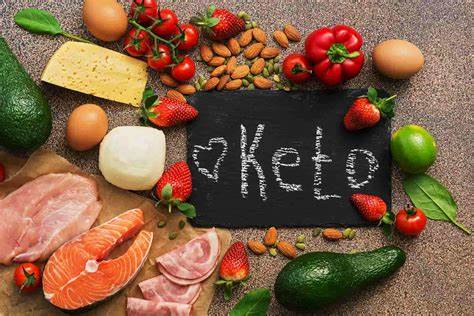
    The keto diet, short for the ketogenic diet, has gained significant popularity in recent years as a way to lose weight and improve overall health. It is a low-carbohydrate, high-fat diet designed to put the body into a metabolic state known as ketosis. This diet encourages the consumption of healthy fats, a moderate amount of protein, and a very low intake of carbohydrates. But what exactly is the keto diet, and how does it work? Let’s dive in.

    What Is the Keto Diet?

    The ketogenic diet is a dietary approach that drastically reduces your intake of carbohydrates while increasing your intake of healthy fats. The goal is to shift your body’s primary fuel source from carbohydrates (glucose) to fat, which produces molecules called ketones that the body can use for energy.

    Typically, the keto diet consists of:

    • 70-80% of calories from fat

    • 10-20% of calories from protein

    • 5-10% of calories from carbohydrates

    This significant reduction in carbs forces the body to adapt to burning fat for energy, which is called ketosis.

    How Does the Keto Diet Work?

    To understand how the keto diet works, it’s important to know how your body typically uses energy. Normally, your body gets most of its energy from carbohydrates, which break down into glucose (a form of sugar). Glucose is then used by the cells as fuel. When you eat a diet high in carbs, your body relies on glucose as its primary source of energy.

    However, when you drastically reduce your carbohydrate intake on the keto diet, your body no longer has access to the same amount of glucose. In response, your liver starts breaking down fat into molecules called ketones. These ketones are then used by your body’s cells as an alternative fuel source. This process is known as ketosis.

    What Are the Benefits of the Keto Diet?

    The keto diet has been shown to offer several potential health benefits, including:

    1. Weight Loss

    The keto diet can lead to weight loss, primarily because the body is forced to burn fat for fuel instead of carbohydrates. By cutting carbs and increasing fat intake, the body’s fat-burning processes are activated, which can help reduce body fat.

    2. Improved Mental Focus

    Many people report improved mental clarity and focus on the keto diet. Ketones provide a more stable energy source for the brain, which may reduce the mental fog often experienced with higher-carb diets.

    3. Better Blood Sugar Control

    The keto diet may help stabilize blood sugar levels, making it particularly beneficial for people with type 2 diabetes. By reducing carbohydrate intake, blood sugar spikes are minimized, which can help improve insulin sensitivity over time.

    4. Increased Energy

    Once your body becomes fully adapted to ketosis, many people report feeling more energized throughout the day. Since the body has a more stable and long-lasting energy source (fat), it doesn’t experience the energy crashes often associated with high-carb diets.

    5. Support for Epilepsy Treatment

    The keto diet has been used for decades as a treatment for epilepsy, particularly in children who do not respond well to medication. Studies show that ketosis can help reduce the frequency and severity of seizures.

    Potential Side Effects of the Keto Diet

    While the keto diet offers numerous benefits, it’s not without potential side effects, especially during the initial phase of adaptation. Some common side effects include:

    • Keto Flu: As your body adjusts to burning fat for fuel instead of carbs, you may experience symptoms such as fatigue, headaches, nausea, dizziness, and irritability. This is commonly referred to as the “keto flu” and usually lasts a few days to a week.

    • Digestive Issues: Some people may experience constipation or digestive discomfort due to the lack of fiber in the diet.

    • Nutrient Deficiencies: Because the keto diet restricts several food groups, you may be at risk for deficiencies in certain vitamins and minerals, such as B vitamins, magnesium, and potassium. It’s important to monitor your nutrient intake and consider supplementation if needed.

    Is the Keto Diet Right for You?

    The keto diet can be a great option for many individuals, particularly those looking to lose weight, improve blood sugar control, or boost mental focus. However, it’s important to consult with a healthcare provider before starting the diet, especially if you have underlying health conditions such as diabetes, kidney disease, or heart conditions.

    In addition, the keto diet may not be suitable for everyone. Some people find it difficult to adhere to the restrictive nature of the diet, and others may experience unwanted side effects. If you do decide to try the keto diet, make sure to focus on whole, nutrient-dense foods, such as avocados, nuts, seeds, leafy greens, and high-quality meats.

    Final Thoughts

    The keto diet is a low-carb, high-fat eating plan that aims to put your body in a state of ketosis, where it burns fat for energy instead of carbohydrates. It has been associated with a variety of health benefits, including weight loss, improved mental focus, and better blood sugar control. However, it’s important to be aware of potential side effects and to consult with a healthcare professional before making such a significant dietary change. By understanding the principles of the keto diet and how it works, you can determine if it’s the right approach to meet your health and wellness goals.

  • The Best Healthy Snacks for Traveling and On-the-Go Lifestyles

    When you’re on the move, it can be challenging to maintain a healthy diet. Traveling, busy workdays, and running errands often make it difficult to stick to nutritious eating habits. However, having healthy snacks on hand can make all the difference. Whether you’re hopping on a plane, road-tripping, or simply juggling a hectic schedule, the right snacks can keep you energized and satisfied without derailing your nutrition goals.

    Here are some of the best healthy snacks for traveling and on-the-go lifestyles:

    1. Nuts and Seeds

    Nuts and seeds are portable, nutrient-dense snacks packed with healthy fats, protein, and fiber. They’re perfect for keeping hunger at bay and providing sustained energy throughout the day.

    Best options:

    • Almonds

    • Walnuts

    • Cashews

    • Pumpkin seeds

    • Sunflower seeds

    Tip: Portion them into small bags or containers to avoid overeating, as nuts and seeds are calorie-dense.

    2. Fresh Fruit

    Fresh fruit is not only delicious but also provides natural sugars, fiber, and vitamins. It’s an easy, refreshing, and hydrating snack to carry with you.

    Best options:

    • Apples

    • Bananas

    • Grapes

    • Berries

    • Oranges

    Tip: For longer trips, pack fruit that doesn’t bruise easily or go bad quickly, like apples or oranges.

    3. Dried Fruit

    Dried fruits are an excellent travel-friendly snack that’s both nutritious and lightweight. They’re rich in fiber and natural sugars but should be consumed in moderation because they’re calorie-dense.

    Best options:

    • Dried apricots

    • Dried mango

    • Raisins

    • Dried figs

    • Cranberries

    Tip: Look for dried fruits with no added sugars or preservatives to keep them as healthy as possible.

    4. Granola Bars or Protein Bars

    Granola bars and protein bars are some of the most convenient snacks for people on the go. They come in individual servings, are easy to store, and can provide a balance of carbohydrates, protein, and healthy fats.

    Best options:

    • Oats-based granola bars

    • Low-sugar protein bars

    • Homemade energy bars with nuts, seeds, and dried fruit

    Tip: Choose bars with minimal added sugars and a short list of ingredients for the healthiest options.

    5. Trail Mix

    Trail mix is a combination of nuts, seeds, and dried fruit that’s easy to customize to suit your preferences. It’s an excellent snack for boosting energy levels on long trips.

    Best options:

    • Almonds, walnuts, and cashews with dried cranberries and dark chocolate pieces

    • Pumpkin seeds, sunflower seeds, and raisins with coconut flakes

    Tip: Make your own trail mix at home to control the ingredients and keep it healthy. Avoid mixes with candy or sugary snacks.

    6. Veggie Chips or Crisps

    For a crunchy snack that’s more nutritious than traditional chips, try veggie chips. These are made from vegetables like sweet potatoes, kale, or beets and offer a great source of fiber and vitamins.

    Best options:

    • Sweet potato chips

    • Kale chips

    • Beetroot chips

    • Zucchini chips

    Tip: Look for baked or air-fried veggie chips, as these are generally lower in unhealthy fats than fried versions.

    7. Rice Cakes with Nut Butter

    Rice cakes topped with nut butter are a satisfying snack that provides both crunch and creamy texture. The rice cakes provide a light carbohydrate base, while the nut butter adds protein and healthy fats.

    Best options:

    • Brown rice cakes with almond butter

    • Quinoa rice cakes with peanut butter

    Tip: If you’re packing these for a trip, store the nut butter separately to prevent it from making the rice cakes soggy.

    8. Greek Yogurt or Non-Dairy Yogurt

    Greek yogurt is an excellent source of protein, and it can be paired with fruit or granola for added flavor and nutrition. If you’re dairy-free, opt for plant-based alternatives like almond or coconut yogurt.

    Best options:

    • Single-serving containers of Greek yogurt

    • Non-dairy yogurt with added probiotics

    • Yogurt with a sprinkle of chia seeds or flaxseeds

    Tip: Keep the yogurt cold with a small ice pack during travel to ensure freshness.

    9. Hummus and Veggies

    Hummus is rich in protein and healthy fats, and it pairs perfectly with crunchy veggies like carrots, celery, and bell peppers. It’s a light and nutritious snack that provides both fiber and protein.

    Best options:

    • Baby carrots, cucumber slices, and bell pepper strips

    • Single-serving packs of hummus

    Tip: Pre-pack hummus and veggies in small containers to make it easy to grab and go.

    10. Hard-Boiled Eggs

    Hard-boiled eggs are an easy-to-prepare snack that’s packed with protein, making them perfect for sustaining energy levels during long days of travel or work. They’re also small, easy to pack, and require no refrigeration for a few hours.

    Best options:

    • 2–3 hard-boiled eggs for a protein boost

    • Sprinkle with a pinch of salt or pepper for added flavor

    Tip: If you’re traveling for longer periods, keep the eggs in a cooler or insulated lunch bag to maintain freshness.

    11. Jerky

    Jerky, whether it’s made from beef, turkey, or plant-based ingredients, is a great protein-packed snack that travels well. It’s flavorful, easy to eat, and doesn’t require refrigeration.

    Best options:

    • Grass-fed beef jerky

    • Turkey jerky

    • Plant-based jerky made from soy or mushrooms

    Tip: Choose jerky with minimal additives, preservatives, and sodium to keep it healthy.


    Final Thoughts

    When traveling or leading a busy lifestyle, healthy snacks are a key component in maintaining your energy, focus, and overall well-being. The snacks listed above are nutritious, easy to pack, and perfect for keeping you fueled on the go. By choosing nutrient-dense options and preparing snacks in advance, you can ensure you’re making healthy choices no matter where life takes you.

  • How to Build a Healthy Snack Routine That Supports Your Goals

    How to Build a Healthy Snack Routine That Supports Your Goals

    Snacking can be a powerful tool for supporting your health and fitness goals when done right. Whether you’re trying to lose weight, build muscle, or just maintain a healthy lifestyle, having a planned snack routine can help keep your energy levels steady, reduce hunger cravings, and ensure you’re fueling your body with the right nutrients at the right times.

    Here’s how to build a healthy snack routine that supports your personal goals:

    1. Identify Your Goals

    Before selecting snacks, it’s important to understand what your specific health or fitness goals are. Your goals will determine the type of snacks you should include in your routine.

    • For weight loss: Choose snacks that are low in calories but high in fiber and protein to keep you feeling full longer.

    • For muscle building: Opt for snacks that are rich in protein and healthy fats to support muscle repair and growth.

    • For energy and overall health: Include nutrient-dense snacks that provide a balance of carbohydrates, protein, and healthy fats to keep you energized throughout the day.

    2. Plan Your Snack Times

    To keep your metabolism active and prevent overeating at meal times, try to eat smaller, balanced snacks every 3–4 hours. Timing your snacks strategically can also help maintain consistent energy levels throughout the day.

    For example:

    • Pre-workout: A small snack with carbohydrates and protein (e.g., a banana and almond butter) can fuel your workout and improve performance.

    • Post-workout: A protein-rich snack (e.g., Greek yogurt with berries or a protein bar) will help in muscle recovery and replenish energy.

    • Between meals: A balanced snack (e.g., an apple with nuts) will help keep hunger at bay and prevent overeating later.

    3. Choose Nutrient-Dense Snacks

    Make sure your snacks are packed with nutrients to support your goals. Avoid processed or sugary snacks, as they provide empty calories that don’t offer lasting energy or nutrition. Opt for whole foods with a balance of protein, healthy fats, and fiber.

    Some examples of nutrient-dense snacks:

    • Greek yogurt with fruit or nuts (for a good balance of protein and healthy fats)

    • Hummus with raw vegetables (high in protein and fiber)

    • Apple slices with almond butter (provides healthy fats and fiber)

    • Trail mix with nuts, seeds, and dried fruit (packed with protein and healthy fats)

    4. Watch Portion Sizes

    Even healthy snacks can contribute to overeating if you’re not mindful of portion sizes. It’s easy to consume more than you intend when snacking, especially with calorie-dense foods like nuts or seeds. Measure out portions ahead of time to avoid mindless snacking.

    For example, instead of eating straight from the bag, pre-portion out a handful of almonds or seeds into small containers. This will help you stay on track without overindulging.

    5. Include a Variety of Snacks

    To keep your snack routine interesting and prevent boredom, include a variety of snacks that are in line with your goals. Try different combinations of protein, healthy fats, and fiber-rich carbohydrates to keep things exciting.

    For example:

    • Fruit + protein: Pair a piece of fruit like an apple or banana with a source of protein like a boiled egg or cottage cheese.

    • Vegetables + hummus: Fresh veggies like carrots, cucumber, and bell peppers paired with hummus make for a fiber-rich snack.

    • Whole grains + protein: Whole grain crackers with cheese or a protein-rich dip provide both fiber and protein.

    6. Stay Hydrated

    While focusing on your snacks, don’t forget about hydration. Sometimes, hunger can actually be a sign of dehydration. Drink water throughout the day, especially before and after snacks, to stay hydrated and avoid confusing thirst with hunger.

    You can also include hydrating snacks like watermelon, cucumbers, or smoothies to keep your hydration levels up while fueling your body.

    7. Make Snacking Easy and Accessible

    The key to sticking to your snack routine is convenience. Prepare your snacks ahead of time and keep them easily accessible in your fridge, pantry, or at your desk. Pre-packing snacks in single-serving containers or bags will save you time and make healthy choices more accessible throughout the day.

    Some ideas for easy and accessible snacks:

    • Pre-cut veggies in the fridge, ready to dip in hummus.

    • Hard-boiled eggs or protein bars for a grab-and-go snack.

    • Trail mix or nuts stored in small containers for easy snacking.

    8. Monitor and Adjust Your Snack Routine

    Once you’ve established a snack routine, track how it’s working for you. Are you feeling satisfied between meals? Are your energy levels stable? Are your goals being supported? If you’re still feeling hungry, low on energy, or not seeing the results you want, you may need to adjust your snack choices.

    For example:

    • If you’re not feeling full enough between meals, try adding more fiber or protein to your snacks.

    • If you’re feeling sluggish, consider adjusting the balance of carbohydrates and healthy fats in your snacks to maintain energy levels.


    Final Thoughts

    Building a healthy snack routine that aligns with your goals is about making thoughtful, nutritious choices that support your health and well-being. By identifying your goals, timing your snacks properly, choosing nutrient-dense foods, and staying hydrated, you can build a snack routine that works for you and helps you stay on track with your health objectives.

  • How to Make Delicious Smoothies Using Superfoods

    How to Make Delicious Smoothies Using Superfoods

    Smoothies are a fantastic way to fuel your body with essential nutrients while enjoying a delicious, refreshing drink. By incorporating superfoods—foods exceptionally rich in vitamins, minerals, antioxidants, and other beneficial compounds—you can take your smoothies to the next level. This guide will help you learn how to make delicious smoothies using superfoods, including tips on choosing ingredients, balancing flavors, and boosting your overall health.

    1. Understanding the Role of Superfoods in Smoothies

    Superfoods are nutrient-dense ingredients that can improve your energy, support immunity, and enhance overall well-being. When added to smoothies, these foods not only improve the nutritional profile of your drink but also contribute unique flavors and textures.

    Benefits of Superfoods in Smoothies:

    • Boost Nutrient Intake: Superfoods are packed with vitamins and minerals that support various bodily functions.

    • Antioxidant Power: Ingredients like berries and cacao are rich in antioxidants that protect cells from damage.

    • Enhanced Energy: Foods like matcha and spirulina can provide a natural energy boost.

    • Digestive Support: Ingredients such as chia seeds and flaxseeds add fiber, promoting a healthy digestive system.

    2. Essential Superfoods to Include in Your Smoothies

    Incorporating a variety of superfoods into your smoothies ensures you get a well-rounded nutritional boost. Consider including some of these powerful ingredients:

    a. Berries (Blueberries, Strawberries, Raspberries)

    Berries are renowned for their high antioxidant content, particularly anthocyanins, which help fight inflammation and protect against oxidative stress. They are also low in calories and high in fiber.

    How to Use:
    Add a handful of fresh or frozen berries to your smoothie for a burst of flavor and a natural sweetness that complements other ingredients.

    b. Leafy Greens (Spinach, Kale)

    Leafy greens are low in calories but high in essential vitamins like A, C, and K, as well as minerals such as iron and calcium. They also add fiber to support digestion.

    How to Use:
    Blend a cup of spinach or kale into your smoothie. Their mild taste usually blends well with fruits, and they significantly boost the nutrient content without overpowering the flavor.

    c. Chia Seeds

    Chia seeds are loaded with omega-3 fatty acids, fiber, and protein. They absorb liquid to form a gel-like consistency, which can make your smoothie thicker and more satisfying.

    How to Use:
    Add one to two tablespoons of chia seeds directly to your smoothie. Alternatively, you can make a chia pudding ahead of time and blend it into your drink.

    d. Matcha Powder

    Matcha provides a gentle caffeine boost along with high levels of antioxidants. Its unique flavor can add depth to your smoothie while improving mental clarity and energy.

    How to Use:
    Mix a teaspoon of matcha powder into your smoothie for a vibrant color and a subtle, earthy flavor.

    How to Make Delicious Smoothies Using Superfoods
    How to Make Delicious Smoothies Using Superfoods

    e. Spirulina Powder

    Spirulina is a blue-green algae that is an excellent source of protein, vitamins, and minerals. It’s particularly beneficial for detoxification and energy.

    How to Use:
    Add a small amount (about 1/2 teaspoon) of spirulina powder to your smoothie. Its strong flavor can be masked by fruits like bananas or mangoes.

    f. Cacao Powder

    Cacao powder is rich in antioxidants and magnesium. It gives a rich, chocolatey flavor to smoothies without the added sugars found in most chocolate products.

    How to Use:
    Stir in a tablespoon of cacao powder to add a decadent flavor while boosting the antioxidant content of your smoothie.

    3. Building Your Perfect Superfood Smoothie

    Creating a balanced and delicious smoothie is about combining the right proportions of ingredients. Here’s a simple framework to guide you:

    Base Liquid:

    • Choose unsweetened almond milk, coconut water, or regular water as your base. These liquids hydrate your body without adding unnecessary sugars.

    Protein:

    • Add a source of protein such as Greek yogurt, a scoop of plant-based protein powder, or silken tofu. This helps make your smoothie more filling and supports muscle repair.

    Superfoods:

    • Incorporate one or more of the superfoods mentioned above to enhance flavor and nutrition.

    Fruits and Vegetables:

    • Use a mix of fruits and vegetables to add natural sweetness, fiber, and additional vitamins. Bananas, berries, and leafy greens are popular choices.

    Healthy Fats:

    • Include a source of healthy fats like avocado, nut butters, or a small drizzle of coconut oil. Healthy fats help keep you full and support the absorption of fat-soluble vitamins.

    Optional Boosts:

    • Add spices such as cinnamon or ginger for extra flavor.

    • Use ice or frozen fruits to achieve a thicker, creamier consistency.

    4. Sample Superfood Smoothie Recipe

    Here’s a quick and easy recipe to get you started:

    Ingredients:

    • 1 cup unsweetened almond milk

    • 1 cup spinach

    • 1/2 cup frozen blueberries

    • 1/2 banana

    • 1 tablespoon chia seeds

    • 1 teaspoon matcha powder

    • 1 tablespoon Greek yogurt

    • A few ice cubes (optional)

    Instructions:

    1. Place all ingredients in a blender.

    2. Blend on high until smooth.

    3. Pour into a glass and enjoy immediately.

    This smoothie provides a balance of protein, fiber, healthy fats, and antioxidants, making it a perfect meal or snack for any time of day.

    5. Tips for Enhancing Your Smoothie Experience

    • Experiment with Flavors: Don’t be afraid to mix different superfoods to find combinations you enjoy. For example, try blending kale with pineapple and ginger for a tropical twist.

    • Prep Ahead: For busy mornings, prepare individual smoothie packs by portioning out fruits, vegetables, and superfoods in freezer bags. In the morning, simply blend with your chosen liquid.

    • Keep it Balanced: Adjust the ratio of liquid to solids depending on your desired thickness. More liquid will yield a thinner smoothie, while more fruits and vegetables will result in a thicker texture.

    • Monitor Your Nutrient Intake: Ensure your smoothie contains a balance of macronutrients (protein, fats, and carbs) to keep you full and energized.

    Conclusion

    Incorporating superfoods into your daily diet through smoothies is a convenient and delicious way to boost your health. By selecting a variety of nutrient-dense ingredients like leafy greens, berries, chia seeds, and matcha, you can create a smoothie that not only tastes amazing but also supports your overall well-being. Whether you’re looking for a quick breakfast, a post-workout recovery drink, or a nutrient-rich snack, superfood smoothies offer an excellent way to enjoy the benefits of these powerhouse foods. Start experimenting with different recipes, find the combinations that work best for you, and enjoy the journey to a healthier, more vibrant life.

  • High-Protein Snacks for Fitness and Muscle Recovery

    High-Protein Snacks for Fitness and Muscle Recovery

    Protein is essential for muscle repair and growth, making it a crucial component of any fitness or workout routine. Whether you’re recovering from an intense gym session or trying to build muscle, high-protein snacks can help speed up recovery and support your fitness goals. These snacks provide the right balance of nutrients to fuel your body after exercise and keep you feeling satisfied.

    Here are some of the best high-protein snacks that will help you recover faster and build muscle more effectively.

    1. Greek Yogurt with Berries

    Greek yogurt is an excellent source of protein, providing around 10 grams of protein per serving (about 6 ounces). It’s also rich in calcium and probiotics, which support gut health. Adding fresh berries, such as blueberries or strawberries, not only enhances the flavor but also adds antioxidants that help fight inflammation caused by intense exercise.

    Why It Works: The protein in Greek yogurt aids muscle repair, while the natural sugars in the berries replenish glycogen stores.

    2. Cottage Cheese with Fruit or Nuts

    Cottage cheese is a protein-packed dairy product that’s also rich in casein protein, which digests slowly, making it a great option for sustained muscle recovery. A half-cup of low-fat cottage cheese can provide about 12 grams of protein. You can pair it with fruit like pineapple, or nuts such as almonds or walnuts, for extra nutrients and healthy fats.

    Why It Works: Cottage cheese’s slow-digesting casein helps provide a steady stream of amino acids to your muscles over time.

    3. Hard-Boiled Eggs

    Eggs are a complete source of protein, meaning they contain all nine essential amino acids necessary for muscle repair and growth. One large egg provides about 6 grams of high-quality protein. Hard-boiled eggs are portable, easy to make in bulk, and can be paired with a sprinkle of salt or a dash of pepper for extra flavor.

    Why It Works: The protein from eggs helps in repairing muscle fibers after a workout, making them a perfect post-workout snack.

    4. Protein Bars

    Protein bars are a convenient and portable snack that can provide the protein needed for recovery. Look for bars that contain at least 15 grams of protein and low amounts of added sugar. Some protein bars also include fiber and healthy fats, making them a balanced snack option to fuel your body.

    Why It Works: Protein bars are a quick way to replenish protein after a workout, and their portability makes them perfect for on-the-go.

    5. Tuna Salad with Whole Grain Crackers

    Tuna is a lean protein source that provides about 20 grams of protein per 3-ounce serving. Mix tuna with some Greek yogurt or avocado for a healthy fat boost, and pair it with whole grain crackers for extra fiber. This snack is not only high in protein but also contains omega-3 fatty acids, which are great for reducing inflammation and promoting recovery.

    Why It Works: Tuna is rich in lean protein, which aids muscle repair, and the healthy fats from the avocado support overall recovery.

    6. Protein Smoothies

    Protein smoothies are a great way to pack in protein and other nutrients. Blend together protein powder (whey or plant-based), a banana, spinach, and a splash of almond milk for a delicious and nutritious drink. You can also add nuts or seeds for extra protein and healthy fats.

    Why It Works: Protein smoothies are easy to customize and provide a great mix of protein, carbohydrates, and healthy fats to support muscle repair and replenish energy stores.

    7. Edamame

    Edamame, young soybeans, are a plant-based source of protein that can provide about 17 grams of protein per cup when cooked. These can be enjoyed as a standalone snack or sprinkled with a little sea salt for extra flavor. Edamame is also high in fiber, making it a filling option.

    Why It Works: Edamame provides plant-based protein, fiber, and essential vitamins and minerals, making it an ideal snack for muscle recovery.

    8. Turkey or Chicken Jerky

    Jerky made from turkey or chicken is a portable, high-protein snack that’s rich in amino acids. It’s a great option for those who need something quick and easy after a workout. Just be sure to choose jerky that’s free from excessive sugar or preservatives.

    Why It Works: Lean poultry jerky is packed with protein, which is essential for muscle repair and building strength.

    9. Hummus with Veggies

    Hummus is made from chickpeas, which are a great plant-based source of protein. Pair hummus with raw vegetables like carrots, cucumber, or bell peppers for a crunchy, protein-packed snack. Hummus also contains healthy fats from olive oil, making it a balanced snack for recovery.

    Why It Works: The protein from chickpeas and the healthy fats from olive oil make hummus a perfect post-workout snack that supports muscle recovery.

    10. Chia Pudding

    Chia seeds are packed with protein, fiber, and healthy fats. To make chia pudding, simply mix chia seeds with almond milk and let them sit in the fridge overnight. You can add some honey or fresh fruit for flavor. Chia seeds also provide omega-3 fatty acids, which support recovery and reduce inflammation.

    Why It Works: Chia pudding is a great source of plant-based protein, fiber, and healthy fats, making it a perfect recovery snack after a workout.

  • Does the Keto Diet Work for Everyone?

    Does the Keto Diet Work for Everyone?

    The ketogenic (keto) diet has become a popular method for weight loss and improving overall health. By drastically reducing carbohydrate intake and replacing it with fats, the body enters a state of ketosis, where it burns fat for fuel instead of carbohydrates. While many people have seen success with the keto diet, it is not a one-size-fits-all approach. In this article, we’ll explore who might benefit from the keto diet and who should approach it with caution.

    Does the Keto Diet Work for Everyone?

    Who Can Benefit from the Keto Diet?

    People Looking to Lose Weight

    One of the most common reasons people turn to the keto diet is for weight loss. When the body enters ketosis, it becomes more efficient at burning fat for energy. Many individuals experience significant weight loss during the initial stages of the diet, and it can help curb hunger and cravings due to the satiating nature of fats.

    People with Type 2 Diabetes

    For those with type 2 diabetes or insulin resistance, the keto diet may be beneficial. By significantly reducing carbohydrate intake, the body experiences a decrease in blood sugar levels, which can help manage or even reverse insulin resistance. Studies have shown that the keto diet can lower blood sugar levels and improve insulin sensitivity, making it a helpful tool for people with diabetes under medical supervision.

    People with Epilepsy

    The ketogenic diet was originally developed as a treatment for epilepsy, particularly in children who did not respond to traditional anti-seizure medications. For some individuals, following a strict keto diet has been shown to reduce the frequency and intensity of seizures. Although this is a specialized medical use of the keto diet, it is effective for certain cases of epilepsy and is still used in clinical settings.

    People with Certain Neurological Conditions

    Some research suggests that the keto diet may benefit people with neurological conditions such as Alzheimer’s disease, Parkinson’s disease, and multiple sclerosis. The diet’s effects on brain health are still being studied, but some findings suggest that ketosis may help protect brain cells and improve cognitive function over time.

    Who Should Approach the Keto Diet with Caution?

    People with Kidney or Liver Conditions

    The keto diet increases the workload on the liver, as it has to metabolize a larger amount of fat. For people with pre-existing liver conditions, such as fatty liver disease, the keto diet can exacerbate liver problems. Similarly, kidney stones can form more easily on a keto diet due to the higher excretion of calcium and uric acid. Those with kidney or liver issues should consult with a healthcare provider before starting the keto diet.

    People with Eating Disorders

    For individuals with a history of eating disorders, such as anorexia or bulimia, the restrictive nature of the keto diet may lead to unhealthy behaviors around food. The rigid rules around macronutrient ratios and food elimination could trigger disordered eating patterns. If you have or have had an eating disorder, it is essential to speak with a therapist or nutritionist before considering the keto diet.

    Athletes or People with High Physical Activity Levels

    While the keto diet can be effective for many, athletes and individuals with high activity levels may not find it as suitable. Carbohydrates are the body’s preferred energy source during intense exercise, and a low-carb diet can negatively affect performance, especially in endurance activities. For athletes, a more balanced approach that includes sufficient carbohydrates may be necessary for optimal energy levels and recovery.

    Pregnant or Breastfeeding Women

    Pregnant and breastfeeding women need adequate nutrition to support both their health and the health of their baby. While the keto diet is low in carbohydrates, it also restricts certain fruits, vegetables, and whole grains, which are essential sources of vitamins, minerals, and fiber.

    Conclusion

    The keto diet can be effective for some individuals, particularly those looking to lose weight, manage type 2 diabetes, or control certain neurological conditions. However, it may not be suitable for everyone. Those with liver or kidney conditions, eating disorders, or high physical activity levels should approach the keto diet with caution.

  • The Best Superfood Powders and Their Health Benefits

    The Best Superfood Powders and Their Health Benefits

    Superfood powders have taken the health world by storm, offering an easy and convenient way to boost your nutrition. Packed with vitamins, minerals, antioxidants, and other essential nutrients, these powders are an excellent way to supplement your diet and promote overall wellness. Whether you’re looking for improved energy, better digestion, or enhanced immunity, incorporating superfood powders into your daily routine can provide a wide range of health benefits.

    In this article, we will explore some of the best superfood powders and how they can benefit your health.

    1. Spirulina Powder

    Spirulina is a blue-green algae that has been consumed for centuries due to its impressive nutrient profile. Spirulina powder is one of the most popular superfood powders, known for its high content of protein, vitamins, minerals, and antioxidants. It is particularly rich in vitamin B12, iron, and magnesium.

    Health Benefits:

    • Boosts energy levels

    • Supports immune function

    • Improves muscle strength and recovery

    • Detoxifies the body

    • Promotes healthy digestion

    How to Incorporate It:
    Spirulina powder has a strong, earthy flavor, so it’s best added to smoothies, juices, or energy balls. You can also mix it into soups, salad dressings, or baked goods for a nutritious boost.

    2. Matcha Powder

    Matcha is a finely ground powder made from green tea leaves. Unlike traditional green tea, where the leaves are steeped and discarded, matcha contains the whole leaf, making it much more nutrient-dense. Rich in antioxidants and chlorophyll, matcha is famous for providing a sustained energy boost without the jitteriness that coffee can sometimes cause.

    Health Benefits:

    • Provides a natural energy boost

    • Enhances focus and cognitive function

    • Supports metabolism and fat burning

    • Rich in antioxidants that fight oxidative stress

    • Promotes relaxation and reduces stress (due to L-theanine)

    How to Incorporate It:
    Matcha powder can be whisked into hot water for a traditional tea or added to smoothies, lattes, and even desserts. For a refreshing treat, try making a matcha iced latte.

    3. Maca Powder

    Maca root is a plant native to the Andes mountains and has been used for centuries for its adaptogenic properties. Maca powder is known for its ability to balance hormones, boost energy, and improve mood. It’s especially popular among athletes and individuals seeking to improve their overall vitality.

    Health Benefits:

    • Increases energy and stamina

    • Supports hormonal balance, particularly in women

    • Improves mood and reduces symptoms of anxiety and depression

    • Enhances fertility

    • Promotes healthy skin

    The Best Superfood Powders and Their Health Benefits
    The Best Superfood Powders and Their Health Benefits

    How to Incorporate It:
    Maca powder has a slightly nutty flavor and can be added to smoothies, oatmeal, energy bars, or baked goods. You can also mix it into coffee or plant-based milk for a nutritious morning boost.

    4. Chlorella Powder

    Chlorella is another type of algae that is often compared to spirulina due to its high nutrient content. Chlorella powder is packed with chlorophyll, vitamins, minerals, and antioxidants. It is particularly known for its detoxifying properties and ability to support the body’s natural cleansing processes.

    Health Benefits:

    • Detoxifies the body by removing heavy metals and toxins

    • Boosts immune function

    • Improves digestion

    • Promotes healthy skin and cell regeneration

    • Supports heart health

    How to Incorporate It:
    Chlorella powder has a strong, earthy taste, so it’s best to blend it into smoothies, juices, or add it to savory dishes like soups or salad dressings.

    5. Wheatgrass Powder

    Wheatgrass is made from the young shoots of the wheat plant and is packed with vitamins, minerals, amino acids, and antioxidants. Known for its powerful detoxifying effects, wheatgrass powder is commonly used to improve digestion and cleanse the body.

    Health Benefits:

    • Detoxifies the body by promoting liver health

    • Boosts energy and reduces fatigue

    • Improves digestion and gut health

    • Enhances immune function

    • Supports healthy blood sugar levels

    How to Incorporate It:
    Wheatgrass powder has a grassy flavor, so it’s best added to smoothies or juices. It can also be sprinkled on salads or mixed into water for a quick health boost.

    6. Cacao Powder

    Raw cacao is made from unprocessed cocoa beans and is rich in antioxidants, particularly flavonoids. Unlike processed cocoa, which may contain added sugars and fats, cacao powder provides a pure source of chocolatey goodness packed with nutrients.

    Health Benefits:

    • Boosts mood and reduces stress

    • Supports heart health by improving blood flow and lowering blood pressure

    • Rich in antioxidants that fight oxidative stress

    • Enhances brain function and memory

    • Promotes healthy skin

    How to Incorporate It:
    Cacao powder is a versatile ingredient that can be added to smoothies, energy balls, oatmeal, and even baked goods. It can also be stirred into hot water or almond milk for a rich, healthy hot chocolate alternative.

    7. Acai Berry Powder

    Acai berries are small, purple fruits native to the Amazon rainforest, and they’re packed with antioxidants, particularly anthocyanins. Acai berry powder is commonly used as a base for smoothie bowls or added to smoothies and juices for an extra nutritional punch.

    Health Benefits:

    • Supports healthy skin and promotes a youthful appearance

    • Rich in antioxidants that help fight free radical damage

    • Boosts heart health and lowers cholesterol

    • Improves digestion

    • Promotes weight loss

    How to Incorporate It:
    Acai powder can be blended into smoothies, smoothie bowls, or added to yogurt. It pairs well with other fruits and can also be mixed into energy

  • How to Avoid Unhealthy Processed Snacks

    How to Avoid Unhealthy Processed Snacks

    Processed snacks, often high in sugars, unhealthy fats, and artificial ingredients, have become a staple in many diets due to their convenience and taste. However, regular consumption of these foods can have negative impacts on health, including weight gain, energy crashes, and an increased risk of chronic diseases.

    The good news is that with a little planning and awareness, you can make smarter snack choices that support your well-being. Here’s how to avoid unhealthy processed snacks and opt for better, more nutritious alternatives.

    1. Understand What Makes Snacks Unhealthy

    Before making changes to your snack habits, it’s important to recognize what makes processed snacks unhealthy. Many store-bought snacks are loaded with:

    • Added sugars: These contribute to weight gain, insulin resistance, and increased risk of diabetes.

    • Trans fats and unhealthy oils: These fats can raise bad cholesterol levels and increase the risk of heart disease.

    • Artificial ingredients and preservatives: These chemicals are often linked to health issues like digestive problems and allergic reactions.

    • Refined carbohydrates: These provide little nutritional value and can lead to blood sugar spikes and crashes.

    By identifying these red flags, you can make more informed decisions when it comes to your snack choices.

    2. Choose Whole Foods Over Processed Options

    The simplest way to avoid unhealthy snacks is by opting for whole foods. These foods are minimally processed and retain most of their natural nutrients. Some examples of whole food snacks include:

    • Fresh fruits and vegetables: Carrot sticks, cucumber slices, apple wedges, or a bunch of grapes are refreshing and nutrient-dense.

    • Nuts and seeds: Almonds, walnuts, sunflower seeds, and chia seeds are packed with healthy fats, fiber, and protein.

    • Whole-grain crackers: Look for crackers made from whole grains like oats or brown rice for fiber and long-lasting energy.

    These whole food snacks are naturally filling, nutrient-dense, and free from artificial ingredients.

    3. Prepare Homemade Snacks

    Homemade snacks allow you to control the ingredients and avoid hidden sugars and unhealthy fats. With just a few ingredients, you can prepare snacks that are both tasty and nutritious. Some ideas for homemade snacks include:

    • Trail mix: Combine nuts, seeds, dried fruits, and a small amount of dark chocolate or whole-grain cereal for a healthy, satisfying snack.

    • Energy balls: Make your own energy bites with ingredients like oats, nut butter, and dried fruits. These are easy to prepare and can be stored in the fridge for a quick snack.

    • Veggie chips: Slice vegetables like sweet potatoes, zucchini, or beets thinly, toss them with olive oil, and bake them until crispy for a crunchy alternative to potato chips.

    Making snacks at home helps you avoid the hidden sugars, preservatives, and unhealthy fats found in processed foods.

    4. Look for Healthier Versions of Processed Snacks

    While it’s best to opt for whole foods, sometimes it’s convenient to grab a pre-packaged snack. If this is the case, be sure to look for healthier alternatives to traditional processed snacks. When buying packaged snacks, here’s what to look for:

    • Read the ingredient list: Choose snacks with minimal ingredients, ideally those you recognize as whole foods. The fewer the ingredients, the better.

    • Avoid added sugars: Look for snacks that are sweetened with natural ingredients like fruit, maple syrup, or honey.

    • Choose snacks with healthy fats: Opt for snacks made with unsaturated fats, such as olive oil, avocado, or nuts.

    • Go for high fiber options: Foods that are high in fiber can help keep you full longer and maintain steady energy levels.

    Healthier packaged options include air-popped popcorn, baked vegetable chips, or protein bars made with whole ingredients.

    How to Avoid Unhealthy Processed Snacks
    How to Avoid Unhealthy Processed Snacks

    5. Snack Smart with Protein and Fiber

    One of the reasons people reach for processed snacks is that they’re looking for something quick and satisfying. However, many processed snacks are low in protein and fiber, which are essential for keeping you full and satisfied. Instead, choose snacks that include both protein and fiber, such as:

    • Greek yogurt with fresh berries: Greek yogurt is high in protein and calcium, and adding fresh fruit gives you fiber and antioxidants.

    • Apple slices with nut butter: The combination of fiber from the apple and healthy fats and protein from the nut butter will help you feel full longer.

    • Veggies with hummus: The fiber in the vegetables and the protein in the hummus make for a balanced, filling snack.

    By focusing on snacks with protein and fiber, you’ll avoid the blood sugar spikes and crashes that come from sugary, processed snacks.

    6. Stay Hydrated

    Sometimes, hunger is actually a sign of dehydration. If you’re craving a snack, try drinking a glass of water first and wait a few minutes to see if the craving passes. Staying hydrated can help reduce unnecessary snacking and prevent you from reaching for sugary or processed options.

    You can also hydrate with healthy beverages like herbal tea or infused water with slices of fruit or cucumber for extra flavor.

    7. Plan and Prep Snacks Ahead of Time

    One of the main reasons people turn to processed snacks is convenience. When hunger strikes, it’s easy to grab whatever is available, even if it’s not the healthiest choice. To prevent this, plan and prep your snacks in advance. Spend some time each week preparing healthy snacks that are easy to grab and go, such as:

    • Pre-sliced fruits and veggies

    • Portion-controlled bags of nuts or seeds

    • Homemade energy bars or granola

    • Hard-boiled eggs or small containers of yogurt

    Having healthy snacks ready to go will make it easier to resist the temptation of processed options.

    8. Practice Mindful Snacking

    Mindful eating involves paying attention to your body’s hunger and fullness cues and eating without distractions. When you snack mindfully, you’re more likely to make healthier choices and avoid overeating. Try these mindful snacking tips:

    • Eat slowly and savor each bite

    • Pay attention to your hunger levels and stop eating when you’re satisfied, not stuffed

    • Avoid eating in front of the TV or while distracted by screens, as this can lead to mindless snacking

    Mindful snacking helps you make intentional food choices and can prevent you from reaching for unhealthy processed snacks.

    Final Thoughts

    Avoiding unhealthy processed snacks doesn’t have to be difficult. By choosing whole, nutrient-dense foods and preparing snacks at home, you can enjoy delicious and satisfying options without the guilt. Whether you’re opting for fresh fruit, homemade energy balls, or healthier packaged snacks, making the switch from processed foods to more wholesome choices is an important step toward improving your health. Remember, planning ahead and being mindful of what you eat will help you stay on track and make better snack choices every day.

  • Best High-Fat Foods for a Successful Keto Diet

    Best High-Fat Foods for a Successful Keto Diet

    The ketogenic diet (keto) is a high-fat, low-carb eating plan that focuses on encouraging the body to burn fat for fuel instead of carbohydrates. This requires incorporating a wide variety of healthy fats into your meals. If you’re looking to achieve ketosis and maintain energy levels while on the keto diet, it’s crucial to include the right high-fat foods. Here are some of the best options to help you succeed on your keto journey.

    Best High-Fat Foods for a Successful Keto Diet

    Avocados

    Avocados are one of the most popular and versatile high-fat foods for the keto diet. Packed with heart-healthy monounsaturated fats, they also provide fiber, vitamins, and minerals like potassium. A medium-sized avocado contains around 22 grams of fat and only 2 grams of net carbs, making it perfect for keto meals. You can add avocado to salads, make guacamole, or simply enjoy it as a snack with a sprinkle of salt.

    Nuts and Seeds

    Nuts and seeds are fantastic sources of healthy fats, protein, and fiber, making them ideal for a keto diet. Almonds, walnuts, macadamia nuts, and pumpkin seeds are particularly rich in fat and low in carbs. A small handful of nuts can provide around 15–20 grams of fat, depending on the type. Just be mindful of portion sizes, as nuts can be calorie-dense. You can enjoy them on their own or add them to smoothies, salads, or baked goods.

    Olive Oil

    Olive oil is a staple in the Mediterranean diet and an excellent fat source for the keto diet. It’s high in monounsaturated fats and antioxidants, which contribute to heart health and help reduce inflammation. Use extra virgin olive oil for cooking, drizzling over salads, or making dressings. It’s a versatile and nutrient-packed fat that helps you meet your daily fat intake while keeping carbs low.

    Fatty Fish

    Fatty fish like salmon, mackerel, sardines, and trout are excellent sources of omega-3 fatty acids, which support heart health and reduce inflammation. These fish also provide high-quality protein, making them a perfect fit for a keto diet. A serving of salmon, for example, can provide 10–15 grams of fat, along with a significant dose of healthy omega-3s. You can enjoy fatty fish grilled, baked, or even in a salad.

    Coconut Oil

    Coconut oil is rich in medium-chain triglycerides (MCTs), a type of fat that the body easily converts into ketones for energy. This makes it an ideal fat source for those on the keto diet. MCTs may also help boost metabolism and promote fat loss. Coconut oil can be used for cooking, in smoothies, or added to coffee (often referred to as “bulletproof coffee”). It has a mild, tropical flavor that works well in both sweet and savory dishes.

    Butter and Ghee

    Butter, especially grass-fed butter, is a delicious source of healthy fats that fits perfectly into the keto diet. It contains butyrate, a short-chain fatty acid that supports gut health and may have anti-inflammatory benefits. Ghee, which is clarified butter, is another excellent option, as it’s free of milk solids and has a higher smoke point, making it suitable for cooking at high temperatures. Use butter or ghee in cooking, baking, or simply spread on keto-friendly bread or vegetables.

    Cheese

    Cheese is another keto-friendly, high-fat food that’s rich in protein and calcium. Many types of cheese, such as cheddar, mozzarella, cream cheese, and goat cheese, are very low in carbs and packed with fat. Cheese can be enjoyed as a snack, added to salads, or used in keto-friendly recipes. Opt for full-fat versions of cheese to get the most benefit while keeping carbs at bay.

    Heavy Cream

    Heavy cream is a rich source of fat and can be used in a variety of keto recipes. It’s low in carbs and high in fat, making it an ideal ingredient for coffee, smoothies, sauces, or desserts. A tablespoon of heavy cream contains around 5 grams of fat and less than 1 gram of carbs. It’s an easy way to boost the fat content of your meals and beverages.

    MCT Oil

    MCT oil is derived from coconut oil and provides a concentrated source of medium-chain triglycerides. It’s easily absorbed by the body and converted into ketones, which provide quick energy. MCT oil is often used in smoothies, coffee, or salad dressings. It’s a great addition to your keto diet for an extra energy boost and to help you stay in ketosis.

    Conclusion

    Incorporating these high-fat foods into your keto diet will help you achieve and maintain ketosis, ensuring that your body burns fat for energy instead of carbohydrates. From avocados and nuts to fatty fish and full-fat dairy, these foods provide essential nutrients while keeping your carb intake low. By planning your meals around these high-fat options, you can enjoy delicious and satisfying keto-friendly dishes that support your health and fitness goals.

  • Top Superfoods for Reducing Inflammation in the Body

    Top Superfoods for Reducing Inflammation in the Body

    Chronic inflammation is linked to various health conditions, such as heart disease, arthritis, diabetes, and even certain cancers. While medications and treatments can help manage inflammation, adopting a diet rich in anti-inflammatory foods can be a natural and effective way to reduce inflammation in the body. Superfoods, known for their high nutritional content, are particularly beneficial in this regard. These nutrient-dense foods help support the body’s ability to fight inflammation and promote overall health.

    In this article, we will explore some of the top superfoods that are known to reduce inflammation and help you achieve better long-term health.

    1. Turmeric

    Turmeric is widely regarded as one of the most powerful anti-inflammatory superfoods, thanks to its active compound, curcumin. Curcumin has potent anti-inflammatory properties that can help reduce swelling and pain, especially in people suffering from conditions like arthritis. Additionally, turmeric has antioxidant effects, which further support the reduction of inflammation in the body.

    How to Incorporate It:
    Add turmeric to your curries, soups, or smoothies. You can also make a soothing turmeric tea by simmering fresh turmeric root with honey and ginger.

    2. Ginger

    Ginger is another powerful anti-inflammatory food that has been used for centuries to treat various ailments. It contains compounds like gingerol, which have anti-inflammatory and antioxidant properties. Studies suggest that ginger can reduce inflammation, alleviate pain, and even help manage symptoms of osteoarthritis and other inflammatory conditions.

    How to Incorporate It:
    Incorporate fresh or powdered ginger into your diet by adding it to smoothies, teas, stir-fries, or baked goods. You can also consume ginger shots for a quick anti-inflammatory boost.

    3. Berries

    Berries, such as blueberries, strawberries, raspberries, and blackberries, are loaded with antioxidants, particularly anthocyanins, which have been shown to fight inflammation. These antioxidants help neutralize free radicals in the body that contribute to inflammation. Berries also contain fiber and vitamin C, both of which support immune function and overall health.

    How to Incorporate It:
    Enjoy berries fresh as a snack, add them to smoothies, yogurt, oatmeal, or baked goods, or use them as a topping for salads and desserts.

    4. Olive Oil

    Olive oil is rich in monounsaturated fats, particularly oleic acid, which has anti-inflammatory properties. The antioxidants in olive oil, particularly polyphenols, further reduce inflammation by fighting oxidative stress. Extra virgin olive oil is the healthiest choice because it contains the highest levels of these beneficial compounds.

    How to Incorporate It:
    Use extra virgin olive oil as a base for salad dressings, drizzling it over vegetables or grains, or incorporating it into your cooking. Try to replace less healthy oils, such as vegetable or sunflower oil, with olive oil for better anti-inflammatory effects.

    5. Fatty Fish (Salmon, Mackerel, Sardines)

    Fatty fish, including salmon, mackerel, sardines, and anchovies, are rich in omega-3 fatty acids, which are known for their powerful anti-inflammatory properties. Omega-3s help reduce the production of pro-inflammatory compounds in the body, such as cytokines and eicosanoids. Studies have shown that regularly consuming omega-3 fatty acids can significantly lower inflammation markers.

    Top Superfoods for Reducing Inflammation in the Body
    Top Superfoods for Reducing Inflammation in the Body

    How to Incorporate It:
    Include fatty fish in your diet by grilling, baking, or pan-searing it. Add it to salads, wraps, or grain bowls for a nutritious and anti-inflammatory meal.

    6. Leafy Greens (Spinach, Kale, Swiss Chard)

    Leafy greens like spinach, kale, and Swiss chard are nutrient powerhouses rich in vitamins, minerals, and antioxidants. These greens are particularly high in vitamin K, which helps regulate inflammation in the body. Additionally, leafy greens contain flavonoids and carotenoids, compounds that have anti-inflammatory and antioxidant effects.

    How to Incorporate It:
    Add leafy greens to salads, smoothies, soups, or grain bowls. You can also sauté them with olive oil and garlic for a quick and healthy side dish.

    7. Nuts (Almonds, Walnuts, Cashews)

    Nuts, particularly almonds, walnuts, and cashews, are excellent sources of healthy fats, fiber, and antioxidants that can help reduce inflammation. Walnuts are especially rich in omega-3 fatty acids, which further enhance their anti-inflammatory effects. Additionally, nuts contain magnesium, a mineral that helps regulate the body’s inflammatory response.

    How to Incorporate It:
    Enjoy a handful of nuts as a snack, sprinkle them on top of salads or yogurt, or add them to smoothies, oatmeal, or baked goods.

    8. Green Tea

    Green tea is packed with polyphenols, particularly epigallocatechin gallate (EGCG), a powerful antioxidant that has been shown to reduce inflammation and oxidative stress. Drinking green tea regularly can help reduce markers of inflammation in the body, making it an excellent addition to any anti-inflammatory diet.

    How to Incorporate It:
    Drink green tea as a hot or iced beverage. You can also incorporate it into smoothies or use it as a base for homemade iced teas for a refreshing, anti-inflammatory drink.

    9. Avocados

    Avocados are rich in healthy monounsaturated fats, which have anti-inflammatory properties. They also contain antioxidants like vitamin E and carotenoids, which help fight inflammation. The high fiber content in avocados further supports digestion and reduces inflammation in the gut.

    How to Incorporate It:
    Enjoy avocados on toast, in salads, sandwiches, or bowls, or blend them into smoothies for a creamy texture. You can also make homemade guacamole to accompany your meals.

    10. Turmeric Latte (Golden Milk)

    A turmeric latte, also known as golden milk, is a warm beverage made with turmeric, milk (or a milk alternative), and spices like cinnamon and black pepper. The combination of turmeric’s anti-inflammatory properties with the absorption-enhancing effects of black pepper makes this drink an excellent option for reducing inflammation.

    How to Incorporate It:
    Make your own golden milk at home by heating up milk (dairy or plant-based) with turmeric, a pinch of black pepper, cinnamon, and a sweetener of your choice. Sip it in the evening as a calming and anti-inflammatory beverage.

    11. Tomatoes

    Tomatoes are rich in lycopene, a powerful antioxidant with anti-inflammatory properties. Lycopene helps reduce inflammation in the body and has been shown to be particularly effective in reducing the risk of certain chronic diseases, such as heart disease and cancer. Tomatoes also contain vitamin C, which supports immune health.

    How to Incorporate It:
    Add tomatoes to salads, sandwiches, soups, or pasta dishes. You can also enjoy them as a fresh snack or use them in sauces and salsas.

    Conclusion

    Chronic inflammation is a significant contributor to various health issues, but the right diet can help manage and reduce inflammation in the body. Superfoods like turmeric, ginger, fatty fish, berries, and leafy greens are packed with anti-inflammatory compounds that can support overall health and reduce the risk of chronic diseases.

    By including these powerful superfoods in your daily diet, you can take proactive steps toward reducing inflammation and promoting better long-term health. Whether through boosting antioxidants, providing healthy fats, or nourishing your gut, these foods offer a natural and effective way to support your body’s inflammatory response. Incorporating a variety of these anti-inflammatory foods into your meals will not only help you feel better but also improve your overall well-being.